Technology
JA Solar’s DeepBlue 5.0 Sets New Efficiency Bar
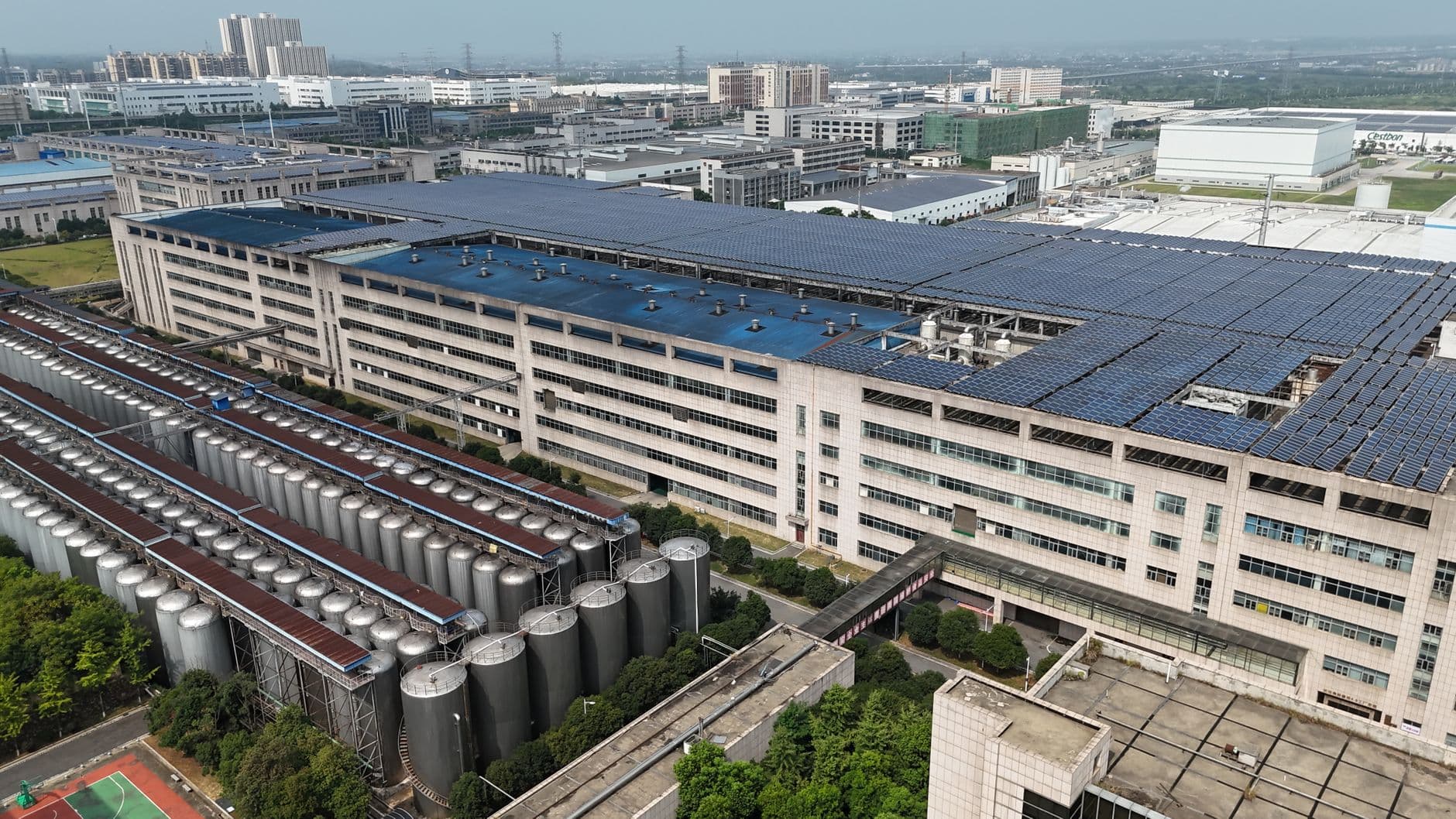
JA’s DeepBlue 5.0 delivers record‑high efficiency
JA Solar’s newest DeepBlue 5.0 line tops out at 670 W per module and reaches a conversion efficiency of 24.07 % – among the highest reported for a commercial‑scale n‑type TOPCon panel. The series (JAM66D50) also boasts a temperature coefficient of –0.26 %/°C and 85 % bifaciality, meaning it keeps producing more energy in hot or low‑irradiance conditions than older generations Review Energy. In practice a 10 kW rooftop can be built with just 15 of these 670 W modules, cutting balance‑of‑system weight and mounting costs.
Production capacity shifts signal possible undersupply of top‑efficiency modules
JA Solar will finish 2026 with roughly 40 GW of DeepBlue 4.0 output and begin shipping about 10 GW of DeepBlue 5.0 panels the same year. By 2027 the newer line is expected to dominate the factory line‑up. Alastair Mounsey, JA’s VP for Europe, warned that the specialised equipment needed for TOPCon and back‑contact cells is a “serious investment”, so the market may face an undersupply of the highest‑efficiency modules even as overall module inventories stay abundant [pv magazine]. This mismatch could potentially affect pricing dynamics, with premium‑segment panels facing different market pressures than standard‑efficiency units.
JA couples solar with storage to capture new revenue streams
Beyond panels, JA is expanding its energy‑storage portfolio across Europe. The company already commissioned co‑located battery‑in‑verter (BESS) projects in the Netherlands, Italy, Germany, Ukraine and Hungary, and is rolling out a 5‑MWh to 6.26‑MWh container range for utility‑scale sites plus a 261 kWh JAPlanet cabinet for C&I customers. Roughly half of these installations sit beside PV arrays, reflecting a clear buyer preference for a single supplier that can deliver both solar and storage [pv magazine]. Sales of the JAPlanet cabinet have been “hundreds of units” since its May launch, indicating strong market appetite.
What it means for Israel’s rooftop market
For an Israeli homeowner in the central region, a 10 kW system built with JA’s 670 W DeepBlue 5.0 modules would need about 15 panels. Using the typical Israeli yield of 1,700 kWh/kWp per year, the system would generate roughly 17,000 kWh annually. At the residential feed‑in tariff of ₪0.48/kWh, that translates to about ₪8 160 of annual revenue. With a typical turnkey cost of ₪3 150/kWp, the upfront investment is around ₪31 500, giving a simple payback of ≈ 3.9 years – identical to the illustrative example from the verified Israeli facts. Because JA’s modules keep a higher output per square metre, installers can fit the same 10 kW on smaller roofs, a valuable advantage in densely built Israeli neighborhoods. Moreover, the growing JA storage line could potentially enable Israeli prosumers to pair high‑efficiency panels with batteries, smoothing daytime peaks and reducing reliance on the grid during evening hours.
Outlook: quality over volume in a crowded European market
Mounsey stresses that JA will not chase every low‑margin deal; instead the company is targeting “quality clients” who value reliability and performance. The shift to DeepBlue 5.0, combined with a strong storage offering, positions JA to capture premium‑segment revenue even as overall module oversupply drags down average prices. If the predicted undersupply of TOPCon and back‑contact panels materialises, JA could enjoy pricing advantages, while competitors without the necessary production lines may remain focused on lower‑cost, lower‑margin segments. For European installers and investors, the message is clear: the next wave of growth will be driven by high‑efficiency, high‑temperature‑tolerant modules paired with integrated storage solutions.
Sources & further reading
- JA SOLAR moves n-type TOPCon into its fifth generation with the DeepBlue 5.0 module
- JA Solar Panels Review 2026 | DeepBlue 4.0 Pro & 5.0 Pro
- JA Solar | DeepBlue 5.0 JAM66D50-645-670/GB | Solar Panel Datasheet | ENF Panel Directory
- JA Solar Delivers First Batch of 650W DeepBlue 5.0 High-Efficiency n-Type Modules - News - PV Solar products Manufacturer, Solar Panel Suppliers India – JaSolar
- JA Solar Delivers First Batch of 650W DeepBlue 5.0 High-Efficiency n-Type Modules
FAQ
What is the power rating of JA Solar’s DeepBlue 5.0 module?
The DeepBlue 5.0 JAM66D50 variant delivers up to 670 W per panel.
How efficient are the new DeepBlue 5.0 modules?
They reach a conversion efficiency of about 24.07 %.
Why might there be an undersupply of high‑efficiency panels?
TOPCon and back‑contact production requires costly equipment, limiting how many manufacturers can make those panels.
Can Israeli homeowners benefit from JA’s new panels?
Yes – a 10 kW system using 670 W modules would need fewer panels, fit smaller roofs, and pay back in roughly 4 years at typical Israeli tariffs.
What storage products is JA offering in Europe?
JA sells 5‑MWh and 6.26‑MWh BESS containers for utility scale and a 261 kWh JAPlanet cabinet for commercial‑and‑industrial sites.
Is JA focusing on low‑margin sales?
No – the company says it will target quality‑focused clients and avoid chasing every low‑margin deal.
Share this post
More from Technology
6
Floating Solar Tracker Boosts Yield by 20%
Noria Energy’s Airon floating‑solar tracker promises up to 20 % more electricity than fixed‑tilt FPV systems at similar cost, with commercial shipments slated for mid‑2027.
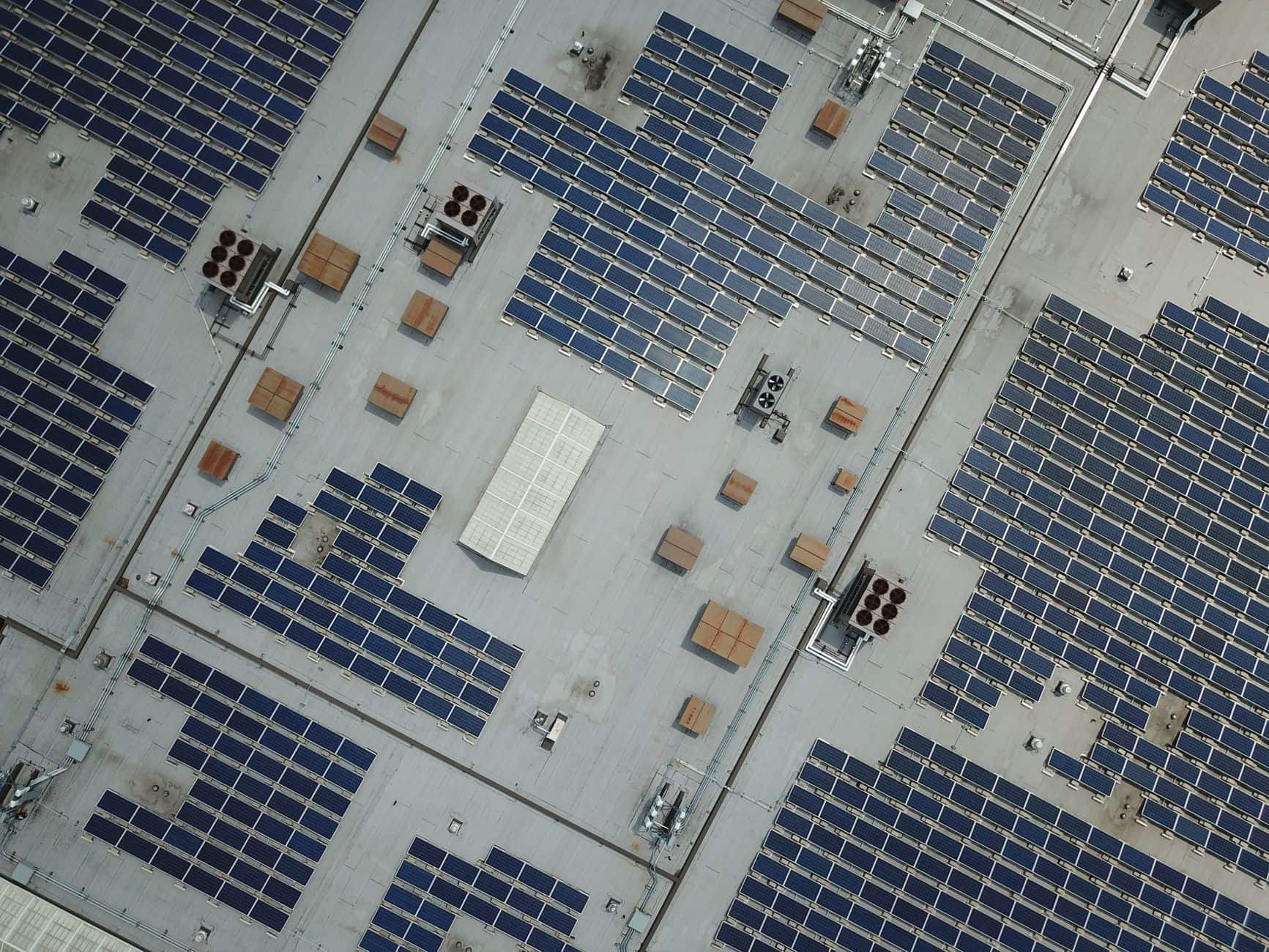
Israel’s Food Giant Goes 100% Green Power
Osem Nestlé has become the first Israeli food‑industry company to run entirely on renewable electricity, showcasing how solar power and green contracts can cut costs and emissions.

Silicon Solar Panels Slash Space Power Costs
Source Energy’s silicon solar modules can be built for under $5 per watt, slashing space‑power costs and opening new opportunities for Israeli satellite firms.

Array Tech Triples US Tracker Capacity
Array Technologies opened a $50 million Albuquerque factory that triples its U.S. solar‑tracker capacity, creates 300 jobs and could help lower tracker prices for Israeli rooftop installations.

Inclusion Fuels Solar Growth in Europe
Hanna König says inclusive, safe‑to‑disagree workplaces are essential to close the solar sector’s talent gap and accelerate the energy transition.
Super El Niño Slashes South Solar, Boosts North
Super El Niño 2026 created a pronounced north‑south solar split in South America, with sunnier conditions in the north and reduced irradiance in the south, while rare Atacama snowstorms threatened desert PV output.