SStorage
Shell Exits Battery Business, Sells Sonnen
Shell has sold its residential battery unit Sonnen to Munich‑based asset manager Tiven for a low‑hundreds‑of‑millions‑euro price, ending a several‑year venture.
2 min read
Solar energy storage lets Israel capture excess photovoltaic (PV) power and use it when the sun isn’t shining, cutting electricity bills and boosting grid reliability. This guide explains how storage works, the key technologies and players, costs in NIS, regulations, and what the future holds for rooftop and utility‑scale systems.
Shell has sold its residential battery unit Sonnen to Munich‑based asset manager Tiven for a low‑hundreds‑of‑millions‑euro price, ending a several‑year venture.

Chile’s 2024 law guaranteeing capacity payments for hybrid solar‑storage plants is set to push BESS capacity past 6 GW by 2026, offering a cash‑flow model that could inspire comparable policies in Israel.

Wood Mackenzie now expects Latin America to install 34 GW of battery storage by 2035, up from 2.5 GW in 2025 – a ten‑year surge driven by curtailment, grid constraints and fresh auctions.

Atmoce’s new 8 kWh LFP home battery offers 5 kW power, 90% AC efficiency, 15,000 cycles and a 25‑year warranty, positioning it as a long‑lasting, safe storage solution for Israeli rooftop solar owners.
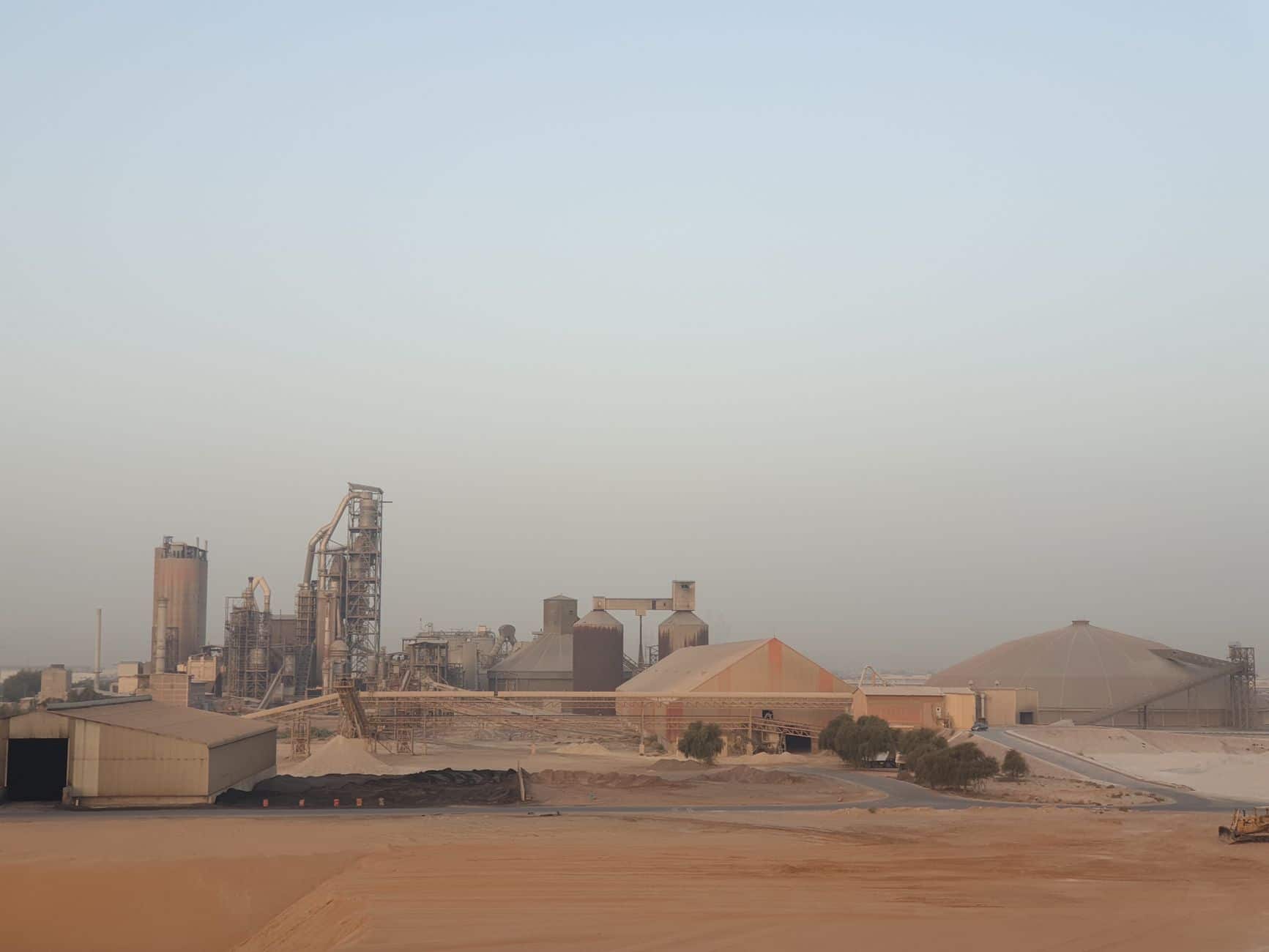
Sungrow has begun building a $50 million BESS factory in Egypt’s Suez Canal Economic Zone, targeting 10 GWh of annual production and slated to start output in April 2027.
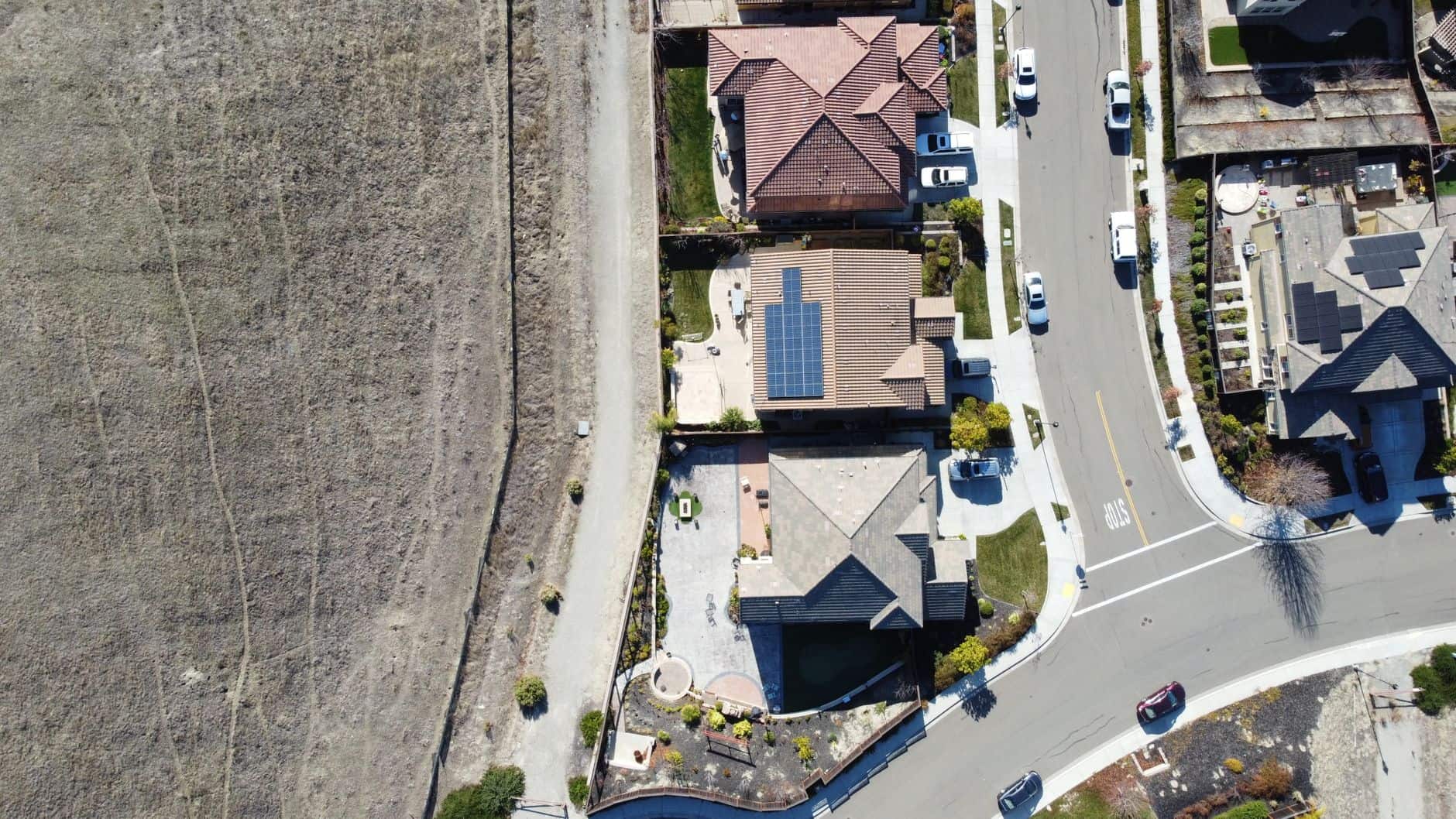
Sharp’s new 11.5 kWh residential battery is 21 % larger yet 35 % smaller than its predecessor, and AI‑driven software promises up to 75 % solar self‑consumption.
Saudi Arabia’s Power Procurement Company awarded more than $1.16 billion for four 500 MW, 4‑hour battery projects – a total of 2 GW / 8 GWh – marking the first phase of its 48 GWh storage target under Vision 2030.
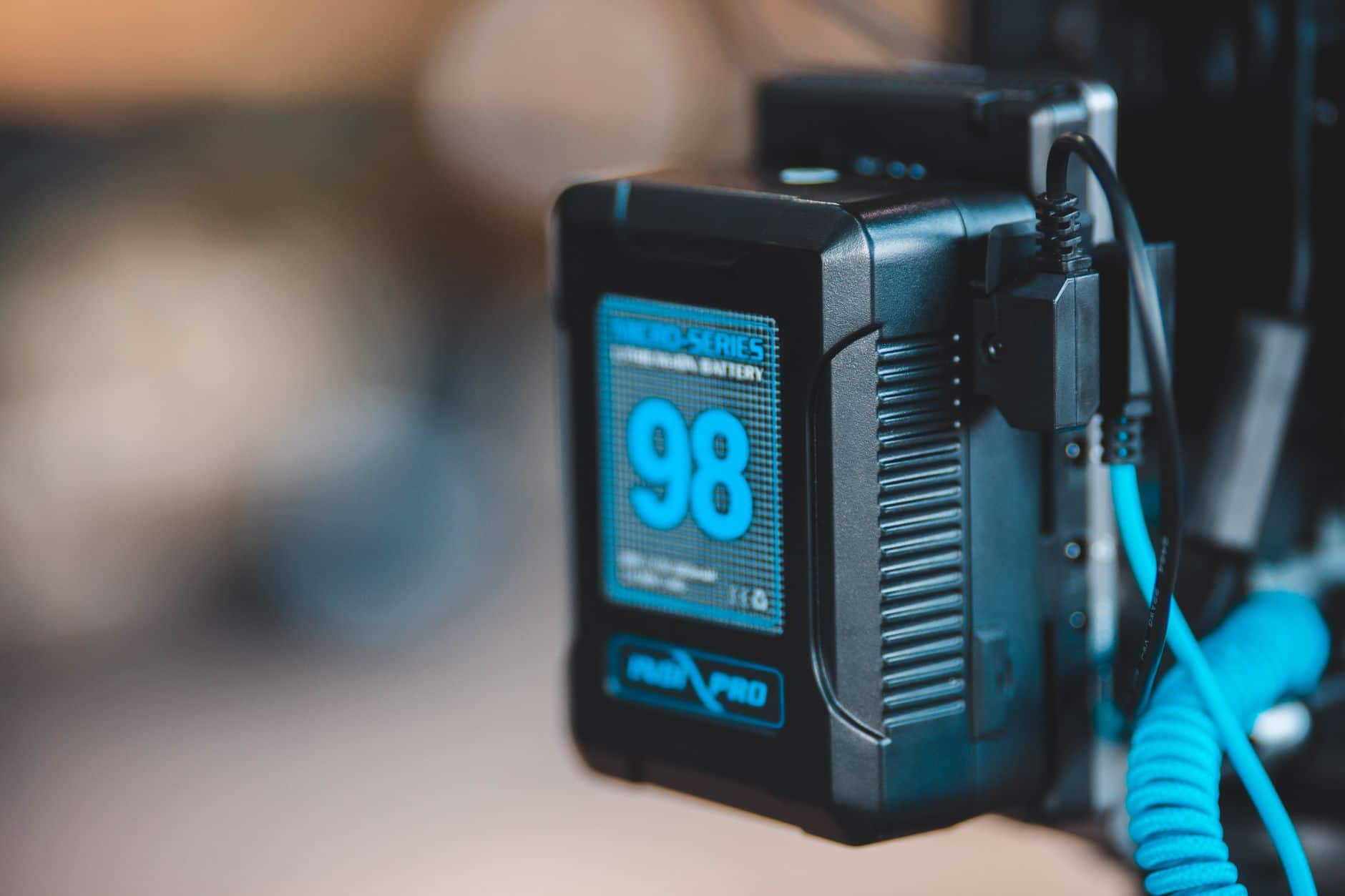
Enphase Energy has launched the IQ Battery C80, an 80 kWh AC‑coupled commercial storage system that ships fully assembled and promises over 90 % efficiency, fast installation and a 15‑year warranty.

POWEROAD’s 50 kW/559 kWh battery system has operated over 800 days at 5,200 m on Everest, delivering instant 24‑hour backup for scientific research.
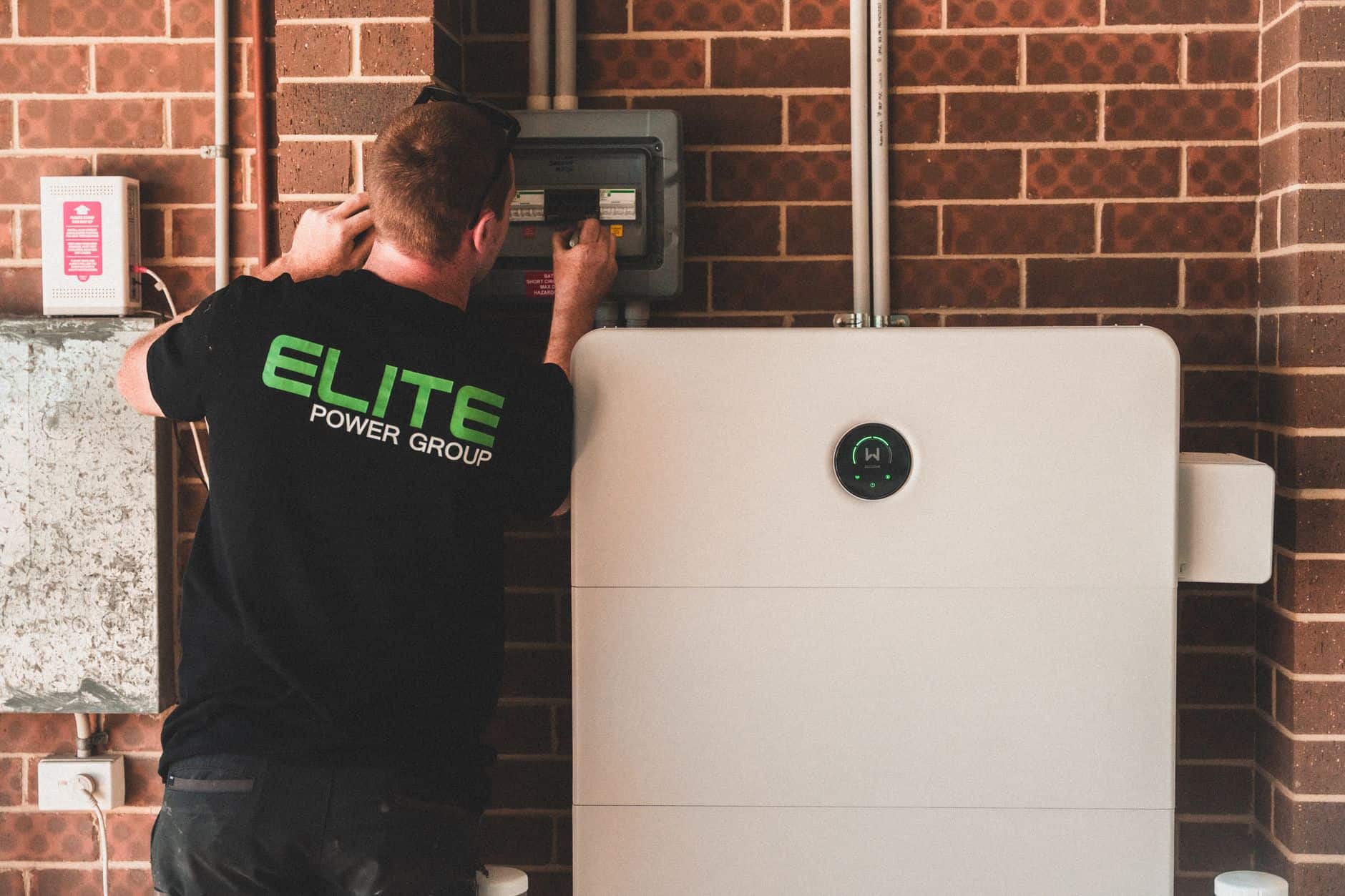
DC‑coupled solar‑plus‑storage systems are 3‑5 % more efficient, while AC‑coupled setups are cheaper and easier to retrofit; Israeli homeowners can expect about ₪245 extra revenue per year from the efficiency gain.

Austria will stop subsidising standard rooftop PV from 2027 and instead fund battery storage and smart energy‑management systems, aiming for up to 8 GW of storage by 2030.

EcoFlow has launched its 5 kWh Stream 5000 residential battery in the UK at £1,599, with EU rollout planned and a multi‑year payback for Israeli homeowners pairing it with rooftop solar.
Send us a message — a demo, a question about the system, a partnership or anything else. We'll get back to you.