
SStorage
Chile Turns Solar Overbuild Into Storage Gold
Chile’s solar capacity hit 12 GW in 2025, prompting a shift toward large‑scale battery storage to offset over‑build and protect revenues.
3 min read
Solar energy storage lets Israel capture excess photovoltaic (PV) power and use it when the sun isn’t shining, cutting electricity bills and boosting grid reliability. This guide explains how storage works, the key technologies and players, costs in NIS, regulations, and what the future holds for rooftop and utility‑scale systems.
Chile’s solar capacity hit 12 GW in 2025, prompting a shift toward large‑scale battery storage to offset over‑build and protect revenues.
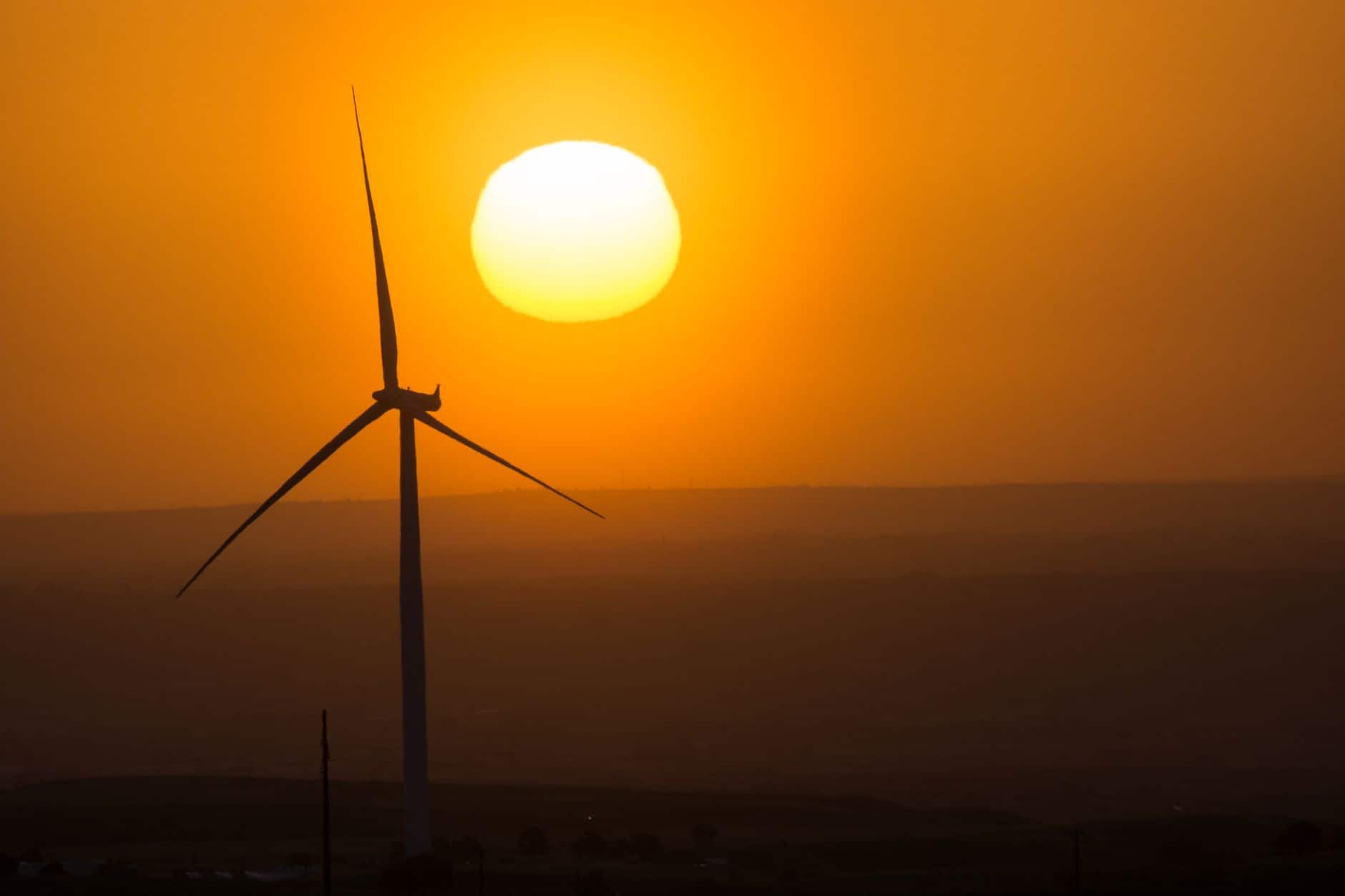
Beit Shemesh is constructing a large municipal battery storage system to capture solar surplus and reduce the city’s electricity costs while supporting national renewable goals.
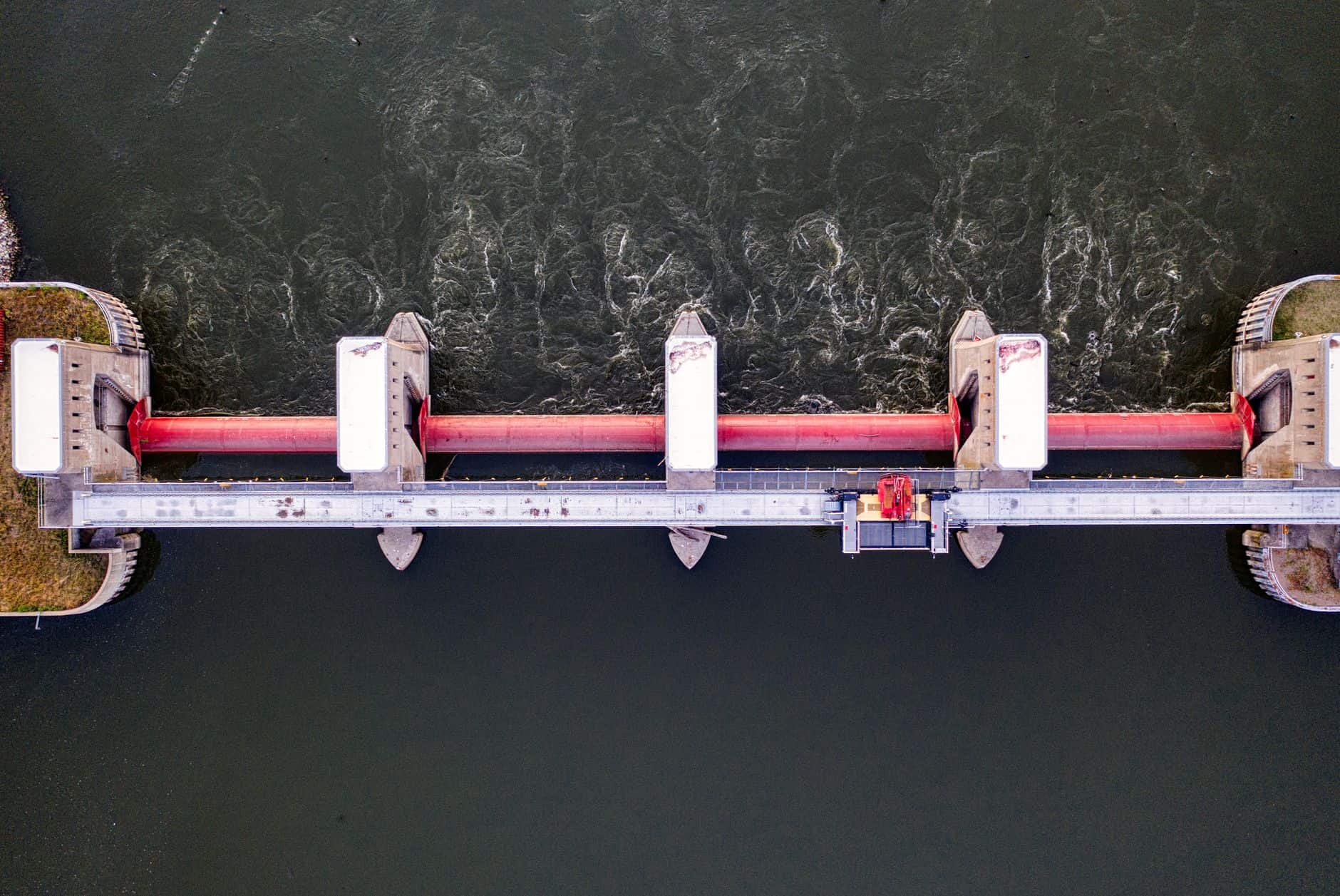
Europe’s solar output surged to 84 TWh in summer 2026, dwarfing a 6 % hydro decline and prompting pumped‑storage plants to charge at midday instead of night.
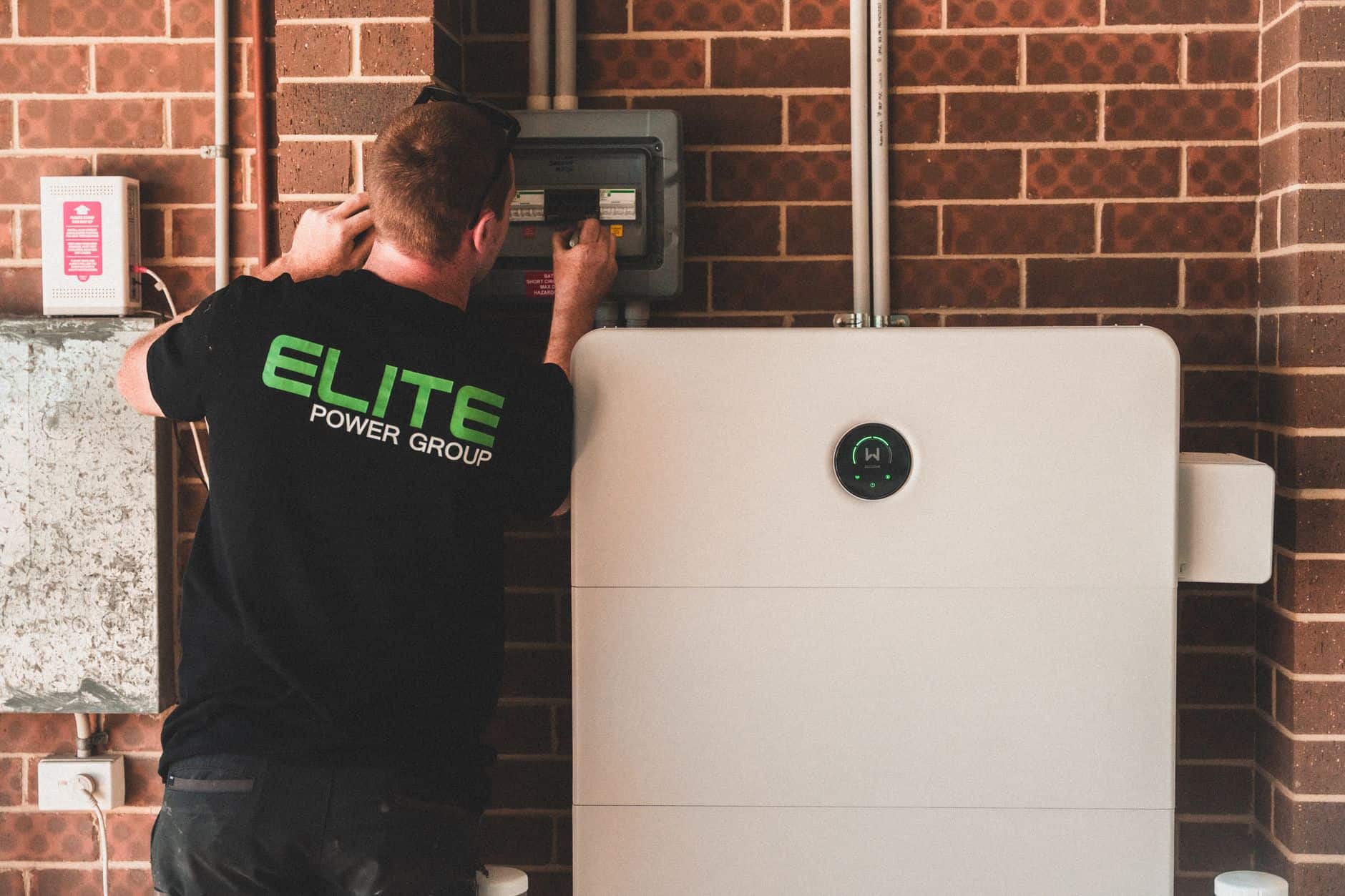
Portugal aims to boost battery storage from 20 MW to 3 GW by 2030, with new tenders covering 1.05 GW and a 15 GWh lithium‑ion factory under construction.
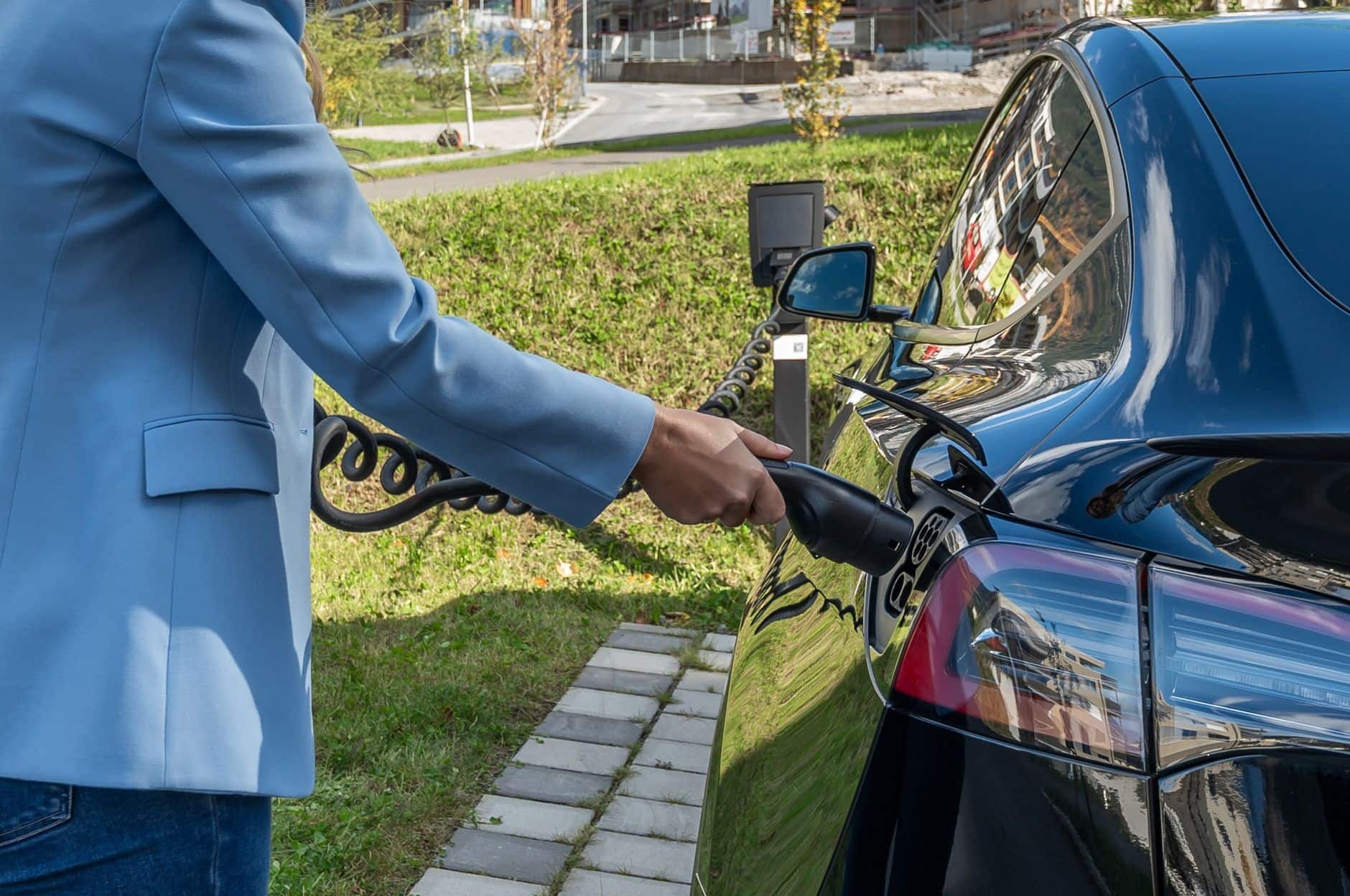
China’s export levy on lithium‑ion batteries will likely increase costs for Israeli EVs, smartphones and solar‑storage systems, modestly lengthening the payback period for typical rooftop solar installations.
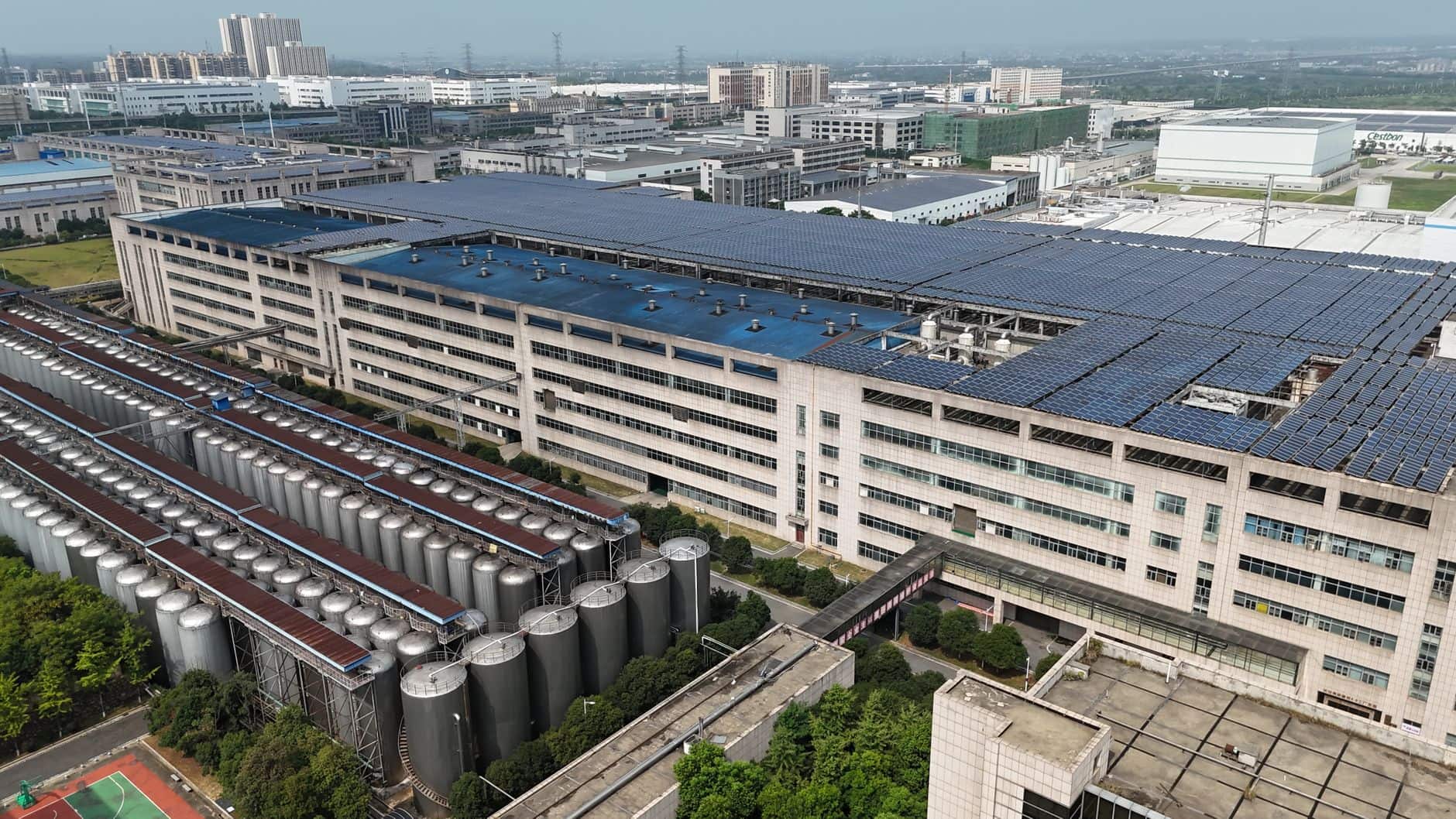
SolarEdge’s new CSS‑OD 107 battery stores 107 kWh, pairs with 30 kW or 50 kW inverters, and can be scaled to multi‑megawatt capacity, giving C&I solar owners in Israel a way to shave peak‑grid bills and support the country’s renewable‑energy goals.

Nofar Energy is investing about ₪200 million in large‑scale battery storage in Israel, a step that could enhance solar economics and help meet the nation’s 2030 renewable‑energy goal.
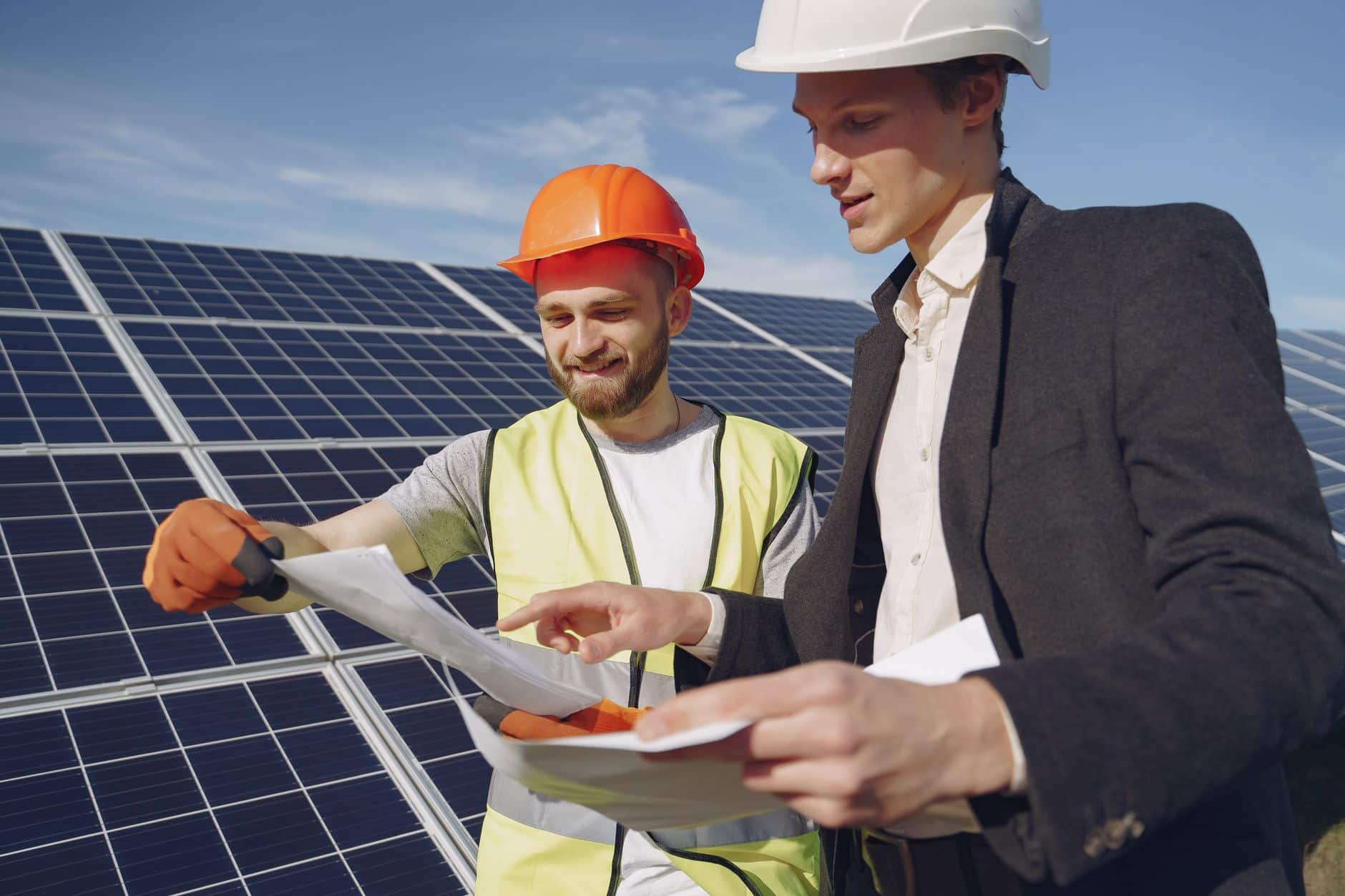
PVFarm’s RE STACK cuts utility‑scale battery design from days to minutes, offering a manufacturer‑agnostic, self‑service platform that can boost Israeli solar‑plus‑storage projects and help meet the 30 % renewable target.
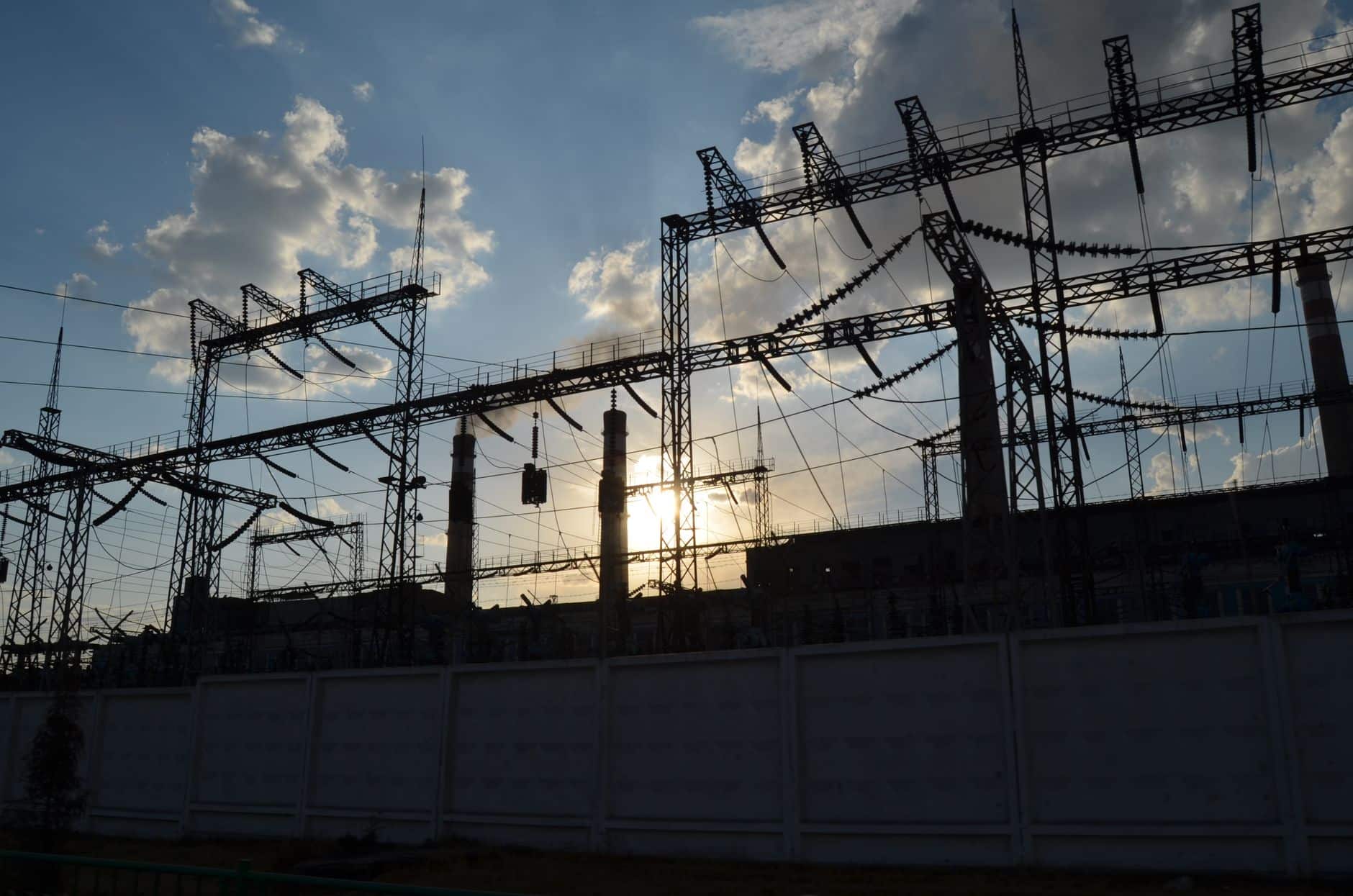
Coalburn 1, a 500 MW/1 GWh battery storage system, is now operational in Scotland, becoming Europe’s largest BESS and securing multi‑year contracts worth hundreds of megawatts.
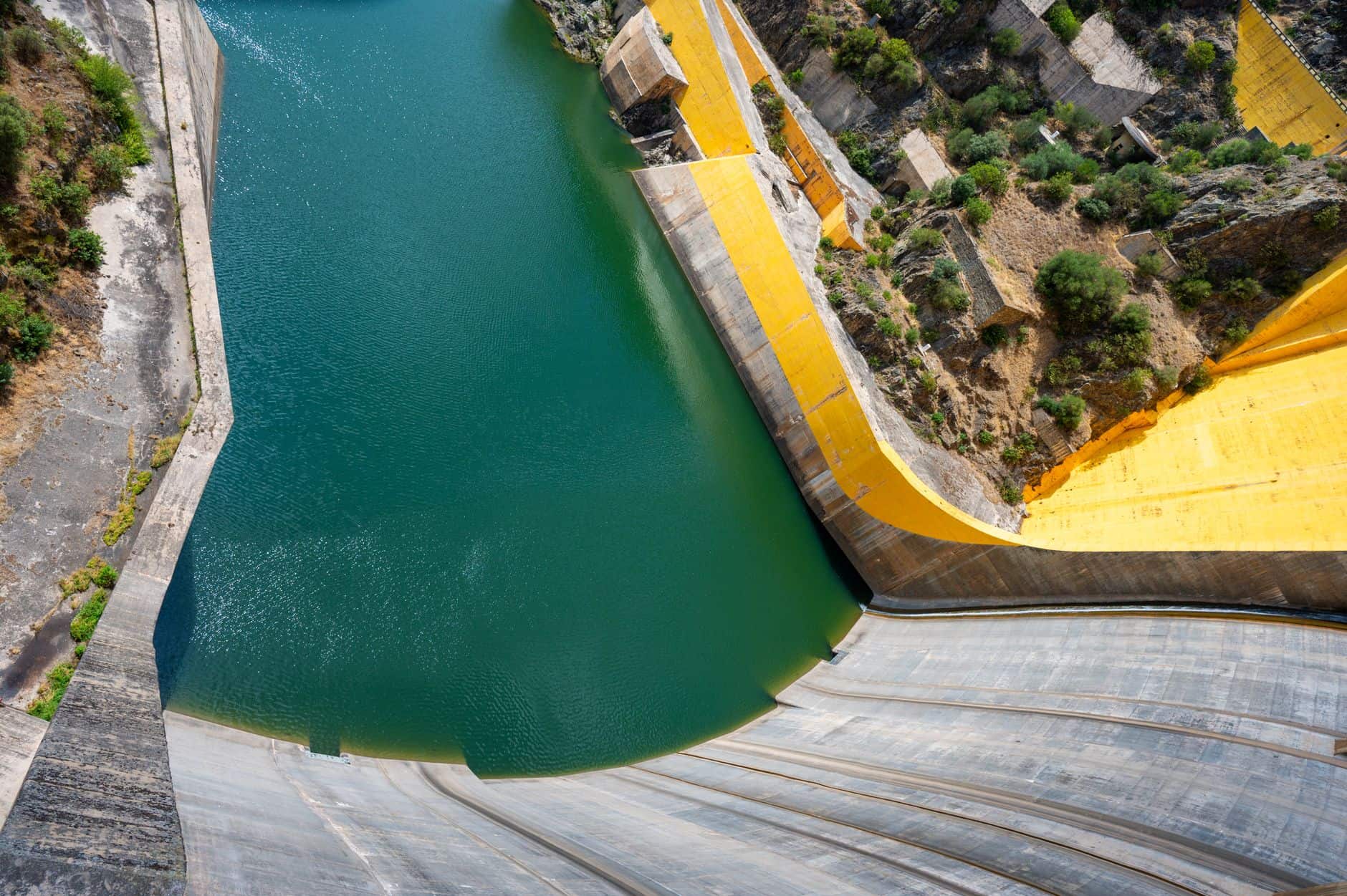
Off‑river pumped hydro provides up to 86 million GWh of cheap, long‑life storage – enough for many millions of homes – offering a powerful complement to solar and wind.
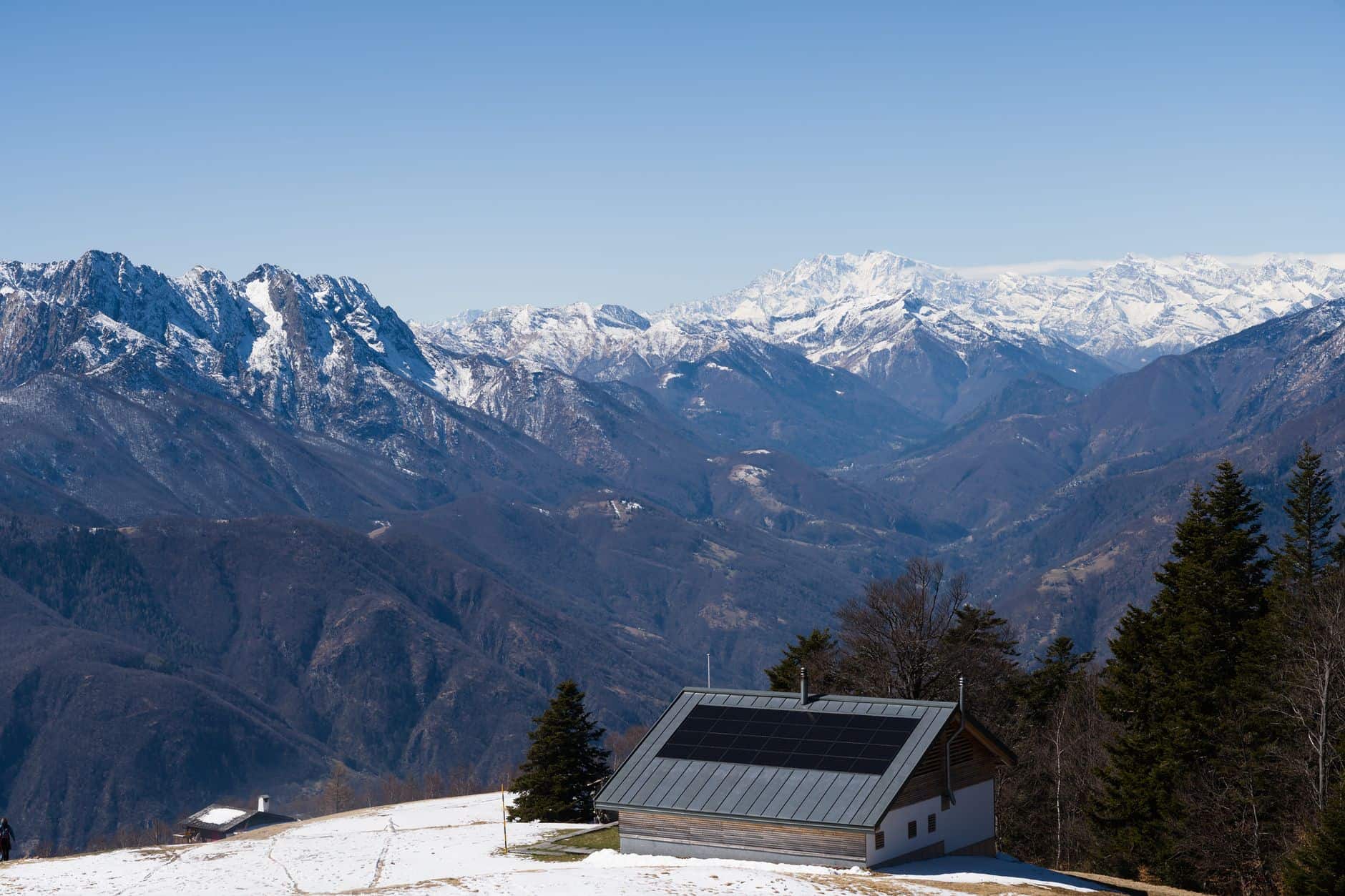
Manufacturers need market insight, downstream partnerships, brand trust and tech innovation to capture growth in Europe’s segmented storage market – a playbook that also applies to Israel’s emerging battery sector.
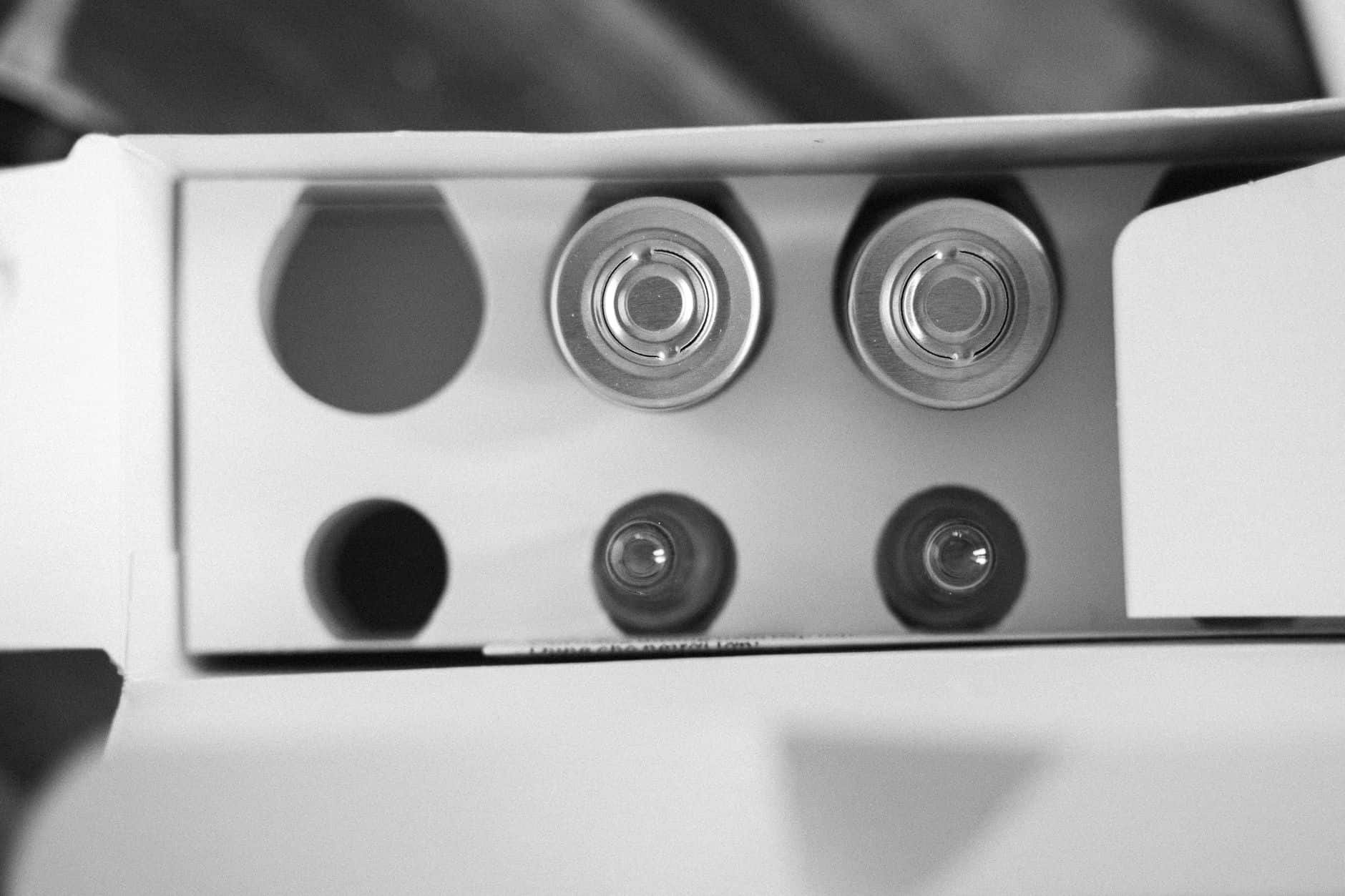
Sodium‑ion batteries have reached prototypes near 200 Wh/kg, narrowing the energy‑density gap with lithium‑ion cells and opening the door to cheaper, large‑scale storage.
Send us a message — a demo, a question about the system, a partnership or anything else. We'll get back to you.