Storage
Shell Exits Battery Business, Sells Sonnen

Shell completes sale of Sonnen to Tiven
Shell has officially transferred ownership of German residential battery specialist Sonnen to the Munich‑based asset manager and family office Tiven. The transaction, confirmed by Shell, marks the oil major’s exit from the residential storage market after several years.
Deal price sits in low‑hundreds of millions of euros
Handelsblatt reports that Tiven paid a “low‑hundreds of millions” figure for Sonnen, far below the €500 million Shell paid in 2019. The sale price reflects Sonnen’s recent revenue slump – from €263.5 million in 2023 to €78.4 million the following year – and the €1 billion loss Shell logged on the investment, according to the original pv magazine report and corroborated by Mainsights.
Sonnen shows early signs of recovery under Shell’s former ownership
Sonnen’s Chief Revenue Officer Andreas Plenk told pv magazine that the company returned to growth in 2025 and already has a filled order book for 2026, despite a generally weak market. He highlighted a shift toward a “Coffee Corner” presence at the Smarter E Europe fair, signalling a tighter dealer‑focused sales model.
Tiven plans a restructuring aimed at a future resale
According to Handelsblatt, Tiven’s managing director Gert Purkert – a former McKinsey consultant and founder of Aurelius – intends to reorganise Sonnen to make it attractive for a later sale. No concrete strategic roadmap has been disclosed, but the goal is to unlock value from Sonnen’s technology platform and customer base.
The sale fits Shell’s broader portfolio optimisation
Shell’s 2024 results showed a record $39.5 billion free‑cash‑flow, allowing the group to boost dividends and launch a $3.5 billion share‑buyback StockTitan. Divesting Sonnen aligns with that cash‑rich, high‑margin focus and removes a loss‑making asset from its renewable‑energy portfolio.
What it means for Israel’s residential solar market
Sonnen’s battery technology could be a game‑changer for Israeli homeowners who already install rooftop PV. A typical 10 kWp system in central Israel generates about 17,000 kWh per year (≈₪8,160 at the residential ₪0.48/kWh tariff). Adding a Sonnen‑type battery would increase self‑consumption and reduce reliance on grid electricity, potentially improving the overall economic return of a solar installation.
Outlook: battery market consolidation continues
The Sonnen sale underscores a broader consolidation trend in the residential storage sector, where large investors are pruning underperforming assets while niche players like Tiven seek to build focused portfolios. Analysts expect further M&A activity as utilities and corporates chase the growing demand for behind‑the‑meter storage, especially in regions with high solar penetration such as Israel.
All figures are drawn from the cited sources and the verified Israeli solar facts block.
Sources & further reading
- German asset manager Tiven acquires battery storage systems provider Sonnen from Shell (publ.)
- Shell Boosts Dividend 4%, Unveils $3.5B Buyback After Record $40B Free Cash Flow | SHEL Stock News
- Sonnen says profits “enormously” from global Shell network following takeover | Clean Energy Wire
- shel-20240630_d2
FAQ
Why did Shell sell Sonnen?
Shell sold Sonnen to cut losses from a €1 billion write‑down and to focus on higher‑margin assets after generating record free cash flow in 2024.
How much did Tiven pay for Sonnen?
The purchase price was reported as a low‑hundreds‑of‑millions‑of‑euros, well below the €500 million Shell paid in 2019.
What is Sonnen’s current market position?
Sonnen returned to growth in 2025, has a full order book for 2026, and is shifting to a dealer‑centric sales model.
Will the sale affect Israeli solar owners?
Sonnen’s battery tech could let Israeli homes store about 30 % of their solar output, saving roughly ₪2,400 a year on a typical 10 kWp system.
What does Tiven plan to do with Sonnen?
Tiven intends to restructure Sonnen to improve its profitability and prepare it for a future resale, though details are still private.
Is residential battery storage a growing market?
Yes, global investors are consolidating the sector as more households add storage to maximise self‑consumption of rooftop solar.
Share this post
More from Storage
6
BESS Gains Speed Edge in Data Centers
BESS now beats gas generators on speed‑to‑power and cost per MWh for data centers, but still lags on long‑duration backup and continuous prime power.
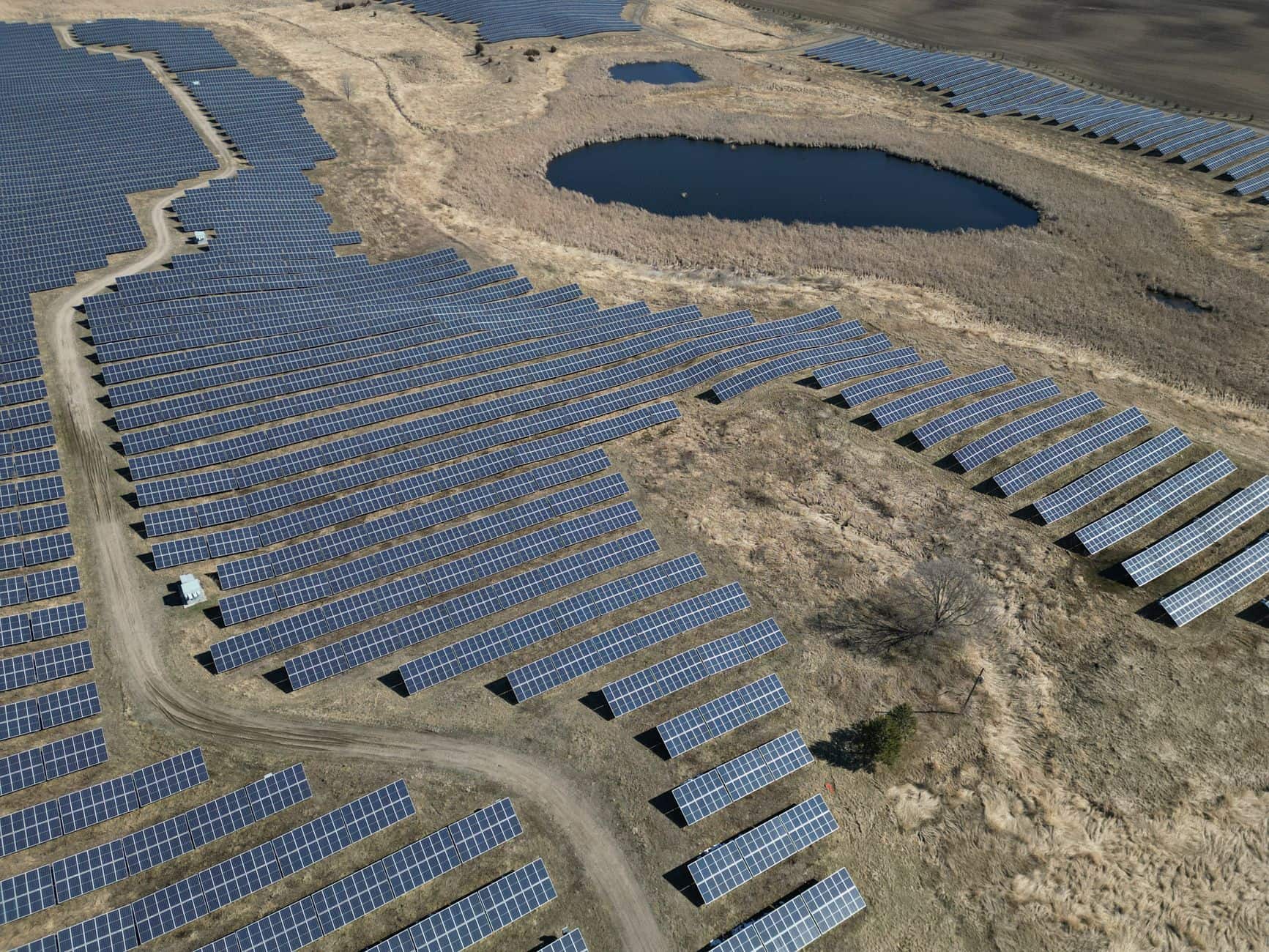
Baltic Utility Boosts Solar & Storage to 600 MW
Latvenergo aims to add 600 MW of new wind and solar by 2026 and is already developing over 250 MW of battery storage, a move that highlights how hybrid projects can boost renewable growth and grid stability.
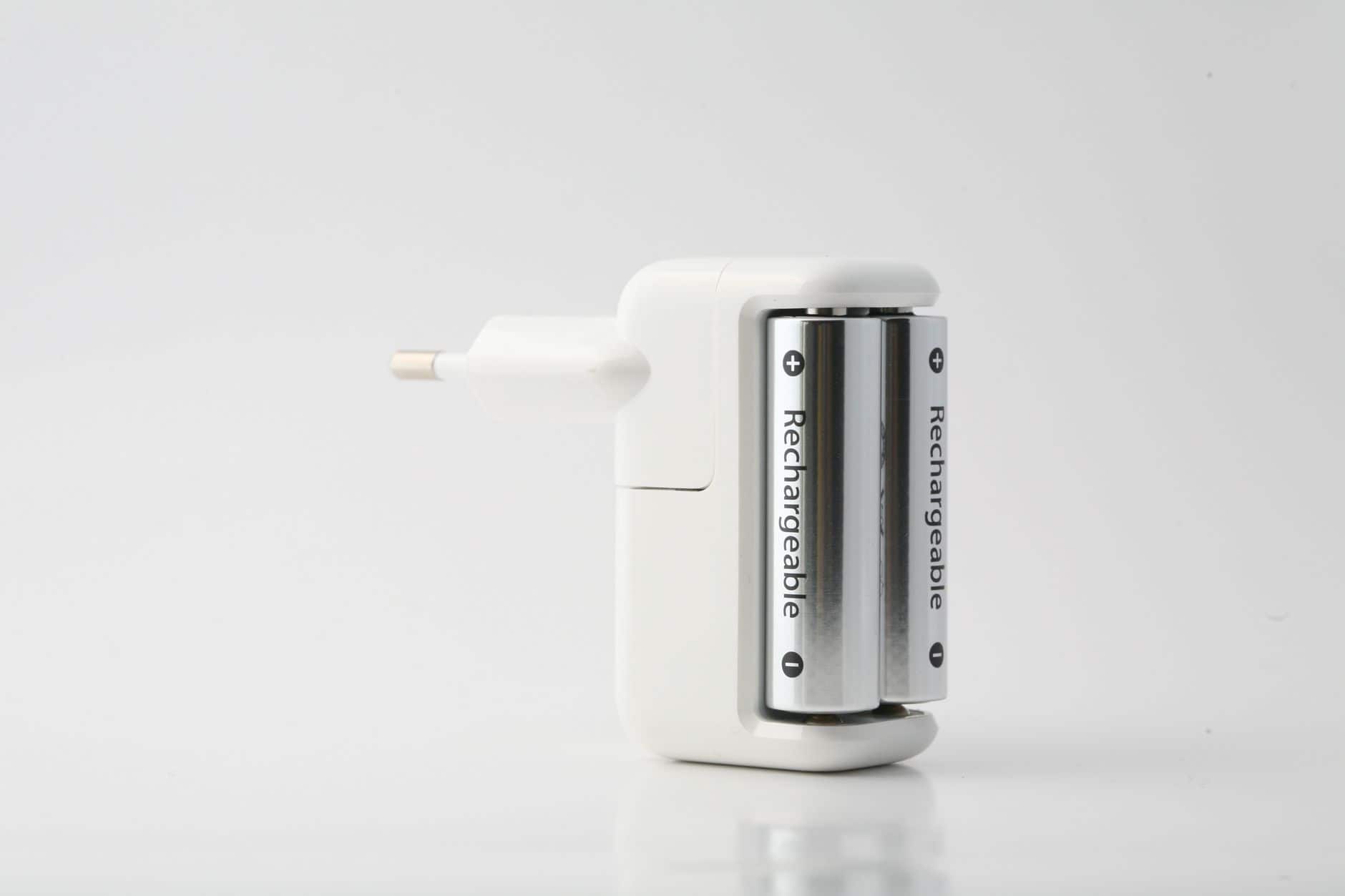
Plug‑in Battery Saves German Renters €120/yr
Rabot Energy’s plug‑in 2 kWh battery, sold at cost, lets German apartment renters save about €120 a year by charging during cheap grid periods and discharging at price spikes.

Thicker Battery Electrodes Boost Energy Density 15%
Fraunhofer ISE’s new thick‑film electrodes boost lithium‑ion, sodium‑ion and zinc‑ion cell energy density by up to 15 % without extra weight, while cutting production cost and eliminating PFAS chemicals.
Sungrow Chooses Samsung SDI Cells US Storage
Sungrow will source Samsung SDI LFP battery cells for its U.S. energy‑storage systems, a three‑year, multi‑gigawatt‑hour deal aimed at bypassing China‑linked supply‑chain restrictions.
HiNa Battery Secures 10 GWh Sodium‑Ion Deal in Korea
HiNa Battery signed a five‑year deal to supply South Korea’s Volta with up to 10 GWh of sodium‑ion batteries, expanding the earlier 15 MWh pilot and marking a major GWh‑scale order for the Korean market.