Storage
China Inverter H1 Mixed, Storage Soars
Overview – Chinese inverter makers posted mixed first‑half 2026 results, but energy‑storage sales now make up half of total revenue.
The latest figures from PV Magazine show that while traditional PV‑inverter sales slipped, storage‑focused products surged across the sector. Overall, storage accounted for 50 % of total sales for the leading Chinese inverter group, signalling a decisive pivot toward batteries and integrated solutions.
Sungrow – Revenue dip offset by storage’s rising share
Sungrow’s H1 2026 revenue fell 29 % YoY to CNY 30.91 bn (≈US$4.34 bn) and net profit dropped 32 % to CNY 5.26 bn. Yet storage revenue, although down 13 %, still represented 50 % of total sales, overtaking pure PV‑inverters for the first time. The inverter segment’s gross margin climbed 6.98 pp to 42.72 %, while storage margin slipped 7.49 pp to 32.43 %. Inverter shipments slipped to ≈66 GW (‑13 % YoY), whereas storage system shipments rose ≈28 % to 25 GWh.
The company highlighted storage as a key growth driver at its post‑results briefing.
Source: PV Magazine
Deye – Explosive growth driven by battery packs
Deye turned the tables with 92 % YoY revenue growth to CNY 10.64 bn and net profit soaring 78 % to CNY 2.72 bn. Inverter revenue nearly doubled, but the standout was energy‑storage battery‑pack revenue up 244 % to CNY 4.89 bn, giving the two business lines almost equal weight. The company sold ≈1.15 million inverters, including 570,300 residential storage inverters and 60,500 commercial/industrial storage inverters.
Source: PV Magazine
Ginlong (Solis) – Storage inverters now dominate the mix
Ginlong’s H1 revenue ticked up 2.3 % to CNY 3.88 bn, but the composition shifted dramatically. Storage‑inverter revenue more than doubled to CNY 1.64 bn, representing 42.2 % of total sales. By contrast, grid‑tied inverter revenue plunged 42 % to CNY 1.06 bn. Overseas sales rose 31.6 %, reaching CNY 2.34 bn (≈60 % of total).
Source: PV Magazine
GoodWe – Battery shipments fuel a comeback
GoodWe posted a 53 % YoY revenue increase to CNY 6.25 bn and swung back to profitability with net profit of CNY 286 million. The company shipped ≈2.40 GWh of storage batteries and sold ≈181,700 storage inverters (the rest were grid‑tied units). Overseas markets supplied ≈66.5 % of inverter sales, reinforcing the global demand for integrated storage solutions.
Source: PV Magazine
What it means for Israel – Storage could accelerate rooftop self‑consumption
Israel’s residential solar market already enjoys a ~₪0.48/kWh feed‑in tariff and a typical ₪3,150/kWp installation cost. A standard 10 kWp rooftop system in the central region yields ≈17,000 kWh/yr, worth ≈₪8,160 annually and pays back in ≈3.9 years (see the verified Israeli example). Adding a battery can increase self‑consumption and reduce electricity bills, further improving the economics of rooftop PV. Over a 25‑year lifetime, the combined system can generate substantial savings, especially as Chinese storage‑inverter prices keep falling.
For Israeli installers, the Chinese trend signals a flood of cheaper, higher‑efficiency storage‑inverter kits that can be bundled with rooftop PV. This aligns with Israel’s 30 % renewable‑energy target for 2030 and the growing need for grid‑balancing solutions as rooftop penetration climbs.
Outlook – Storage set to dominate the inverter market
The data make it clear: by H1 2026, storage‑related revenue already equals or exceeds pure PV‑inverter sales for the biggest Chinese players. As battery costs continue to fall and regulatory frameworks worldwide (including Israel’s) reward self‑consumption, we can expect the share of storage inverters to keep rising, reshaping supply chains, OEM strategies, and the economics of rooftop solar.
FAQ
Q: Why are Chinese inverter makers focusing on storage now? A: Slower growth in traditional PV‑inverter sales and strong demand for integrated battery solutions have pushed companies to prioritize storage, which now accounts for about half of total revenue.
Q: Which Chinese company grew the fastest in H1 2026? A: Deye posted the highest revenue growth, up 92 % YoY, driven by a 244 % surge in battery‑pack sales.
Q: How does this trend affect Israeli rooftop owners? A: Cheaper storage‑inverter kits from China can lower the cost of adding batteries to home systems, boosting self‑consumption and shortening payback periods.
Q: Are Chinese inverter manufacturers still exporting? A: Yes. Sungrow’s overseas sales still represent 73 % of total revenue, showing that export markets remain crucial.
Q: What is the expected market share of storage inverters by 2027? A: Analysts expect the share of storage inverters to keep increasing as the market evolves.
Q: Can Israeli installers source these storage inverters locally? A: Chinese OEMs have established distribution channels in the region, allowing Israeli firms to import their storage‑inverter modules for residential projects.
Key takeaways
- Storage now makes up ≈50 % of total sales for China’s top inverter makers.
- Deye’s battery‑pack revenue jumped 244 % to CNY 4.89 bn in H1 2026, highlighting explosive demand.
- Sungrow shipped about 66 GW of inverters, down 13 % YoY, while storage shipments rose 28 % to 25 GWh.
- GoodWe delivered 2.40 GWh of storage batteries, helping it return to profitability.
- Adding a battery can shorten the payback period for Israeli rooftop owners, thanks to cheaper Chinese storage‑inverter kits.
- The shift aligns with Israel’s 30 % renewable‑energy target for 2030 and growing grid‑balancing needs.
FAQ
Why are Chinese inverter makers focusing on storage now?
Slower growth in traditional PV‑inverter sales and strong demand for integrated battery solutions have pushed companies to prioritize storage, which now accounts for about half of total revenue.
Which Chinese company grew the fastest in H1 2026?
Deye posted the highest revenue growth, up 92 % YoY, driven by a 244 % surge in battery‑pack sales.
How does this trend affect Israeli rooftop owners?
Cheaper storage‑inverter kits from China can lower the cost of adding batteries to home systems, boosting self‑consumption and shortening payback periods.
Are Chinese inverter manufacturers still exporting?
Yes. Sungrow’s overseas sales still represent 73 % of total revenue, showing export markets remain crucial.
What is the expected market share of storage inverters by 2027?
Industry analysts project storage‑inverter sales to exceed 55 % of total inverter revenue globally, given the current trajectory.
Can Israeli installers source these storage inverters locally?
Many Chinese OEMs have established distribution networks in the Middle East, and several Israeli firms already import their storage‑inverter modules for residential projects.
Share this post
More from Storage
6
BESS Gains Speed Edge in Data Centers
BESS now beats gas generators on speed‑to‑power and cost per MWh for data centers, but still lags on long‑duration backup and continuous prime power.
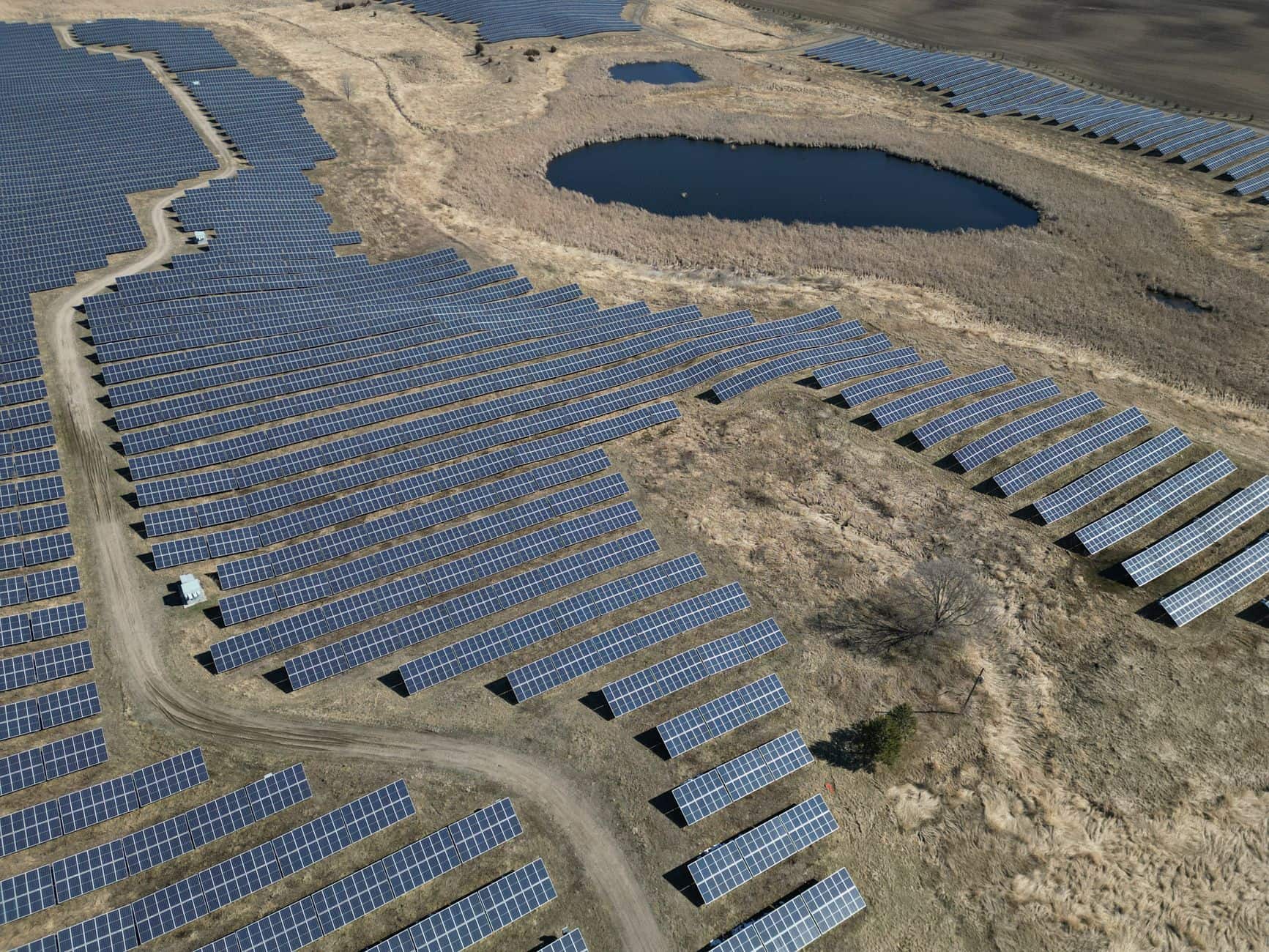
Baltic Utility Boosts Solar & Storage to 600 MW
Latvenergo aims to add 600 MW of new wind and solar by 2026 and is already developing over 250 MW of battery storage, a move that highlights how hybrid projects can boost renewable growth and grid stability.
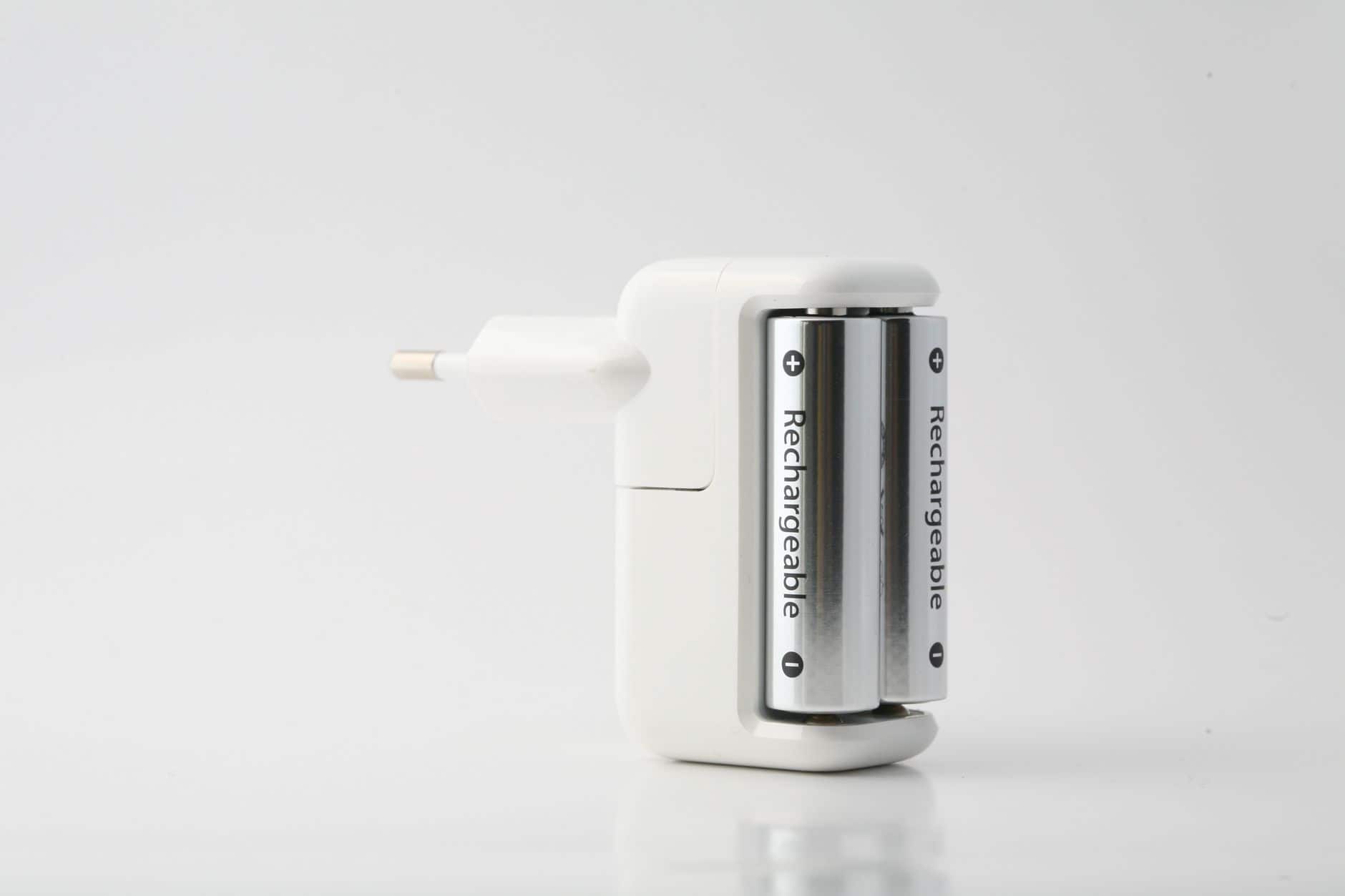
Plug‑in Battery Saves German Renters €120/yr
Rabot Energy’s plug‑in 2 kWh battery, sold at cost, lets German apartment renters save about €120 a year by charging during cheap grid periods and discharging at price spikes.

Thicker Battery Electrodes Boost Energy Density 15%
Fraunhofer ISE’s new thick‑film electrodes boost lithium‑ion, sodium‑ion and zinc‑ion cell energy density by up to 15 % without extra weight, while cutting production cost and eliminating PFAS chemicals.
Sungrow Chooses Samsung SDI Cells US Storage
Sungrow will source Samsung SDI LFP battery cells for its U.S. energy‑storage systems, a three‑year, multi‑gigawatt‑hour deal aimed at bypassing China‑linked supply‑chain restrictions.
HiNa Battery Secures 10 GWh Sodium‑Ion Deal in Korea
HiNa Battery signed a five‑year deal to supply South Korea’s Volta with up to 10 GWh of sodium‑ion batteries, expanding the earlier 15 MWh pilot and marking a major GWh‑scale order for the Korean market.