Storage
Norway’s Battery Market Stalled by Grid Rules

Norway’s Battery Market Still Blocked by Double Grid Tariffs
Norway’s battery storage market remains hampered by double grid‑tariff charges and a pre‑qualification volume cap, even as regulators roll out the first coordinated reviews of storage rules. Senior consultant Hassan Gholami of Multiconsult told ESS News that the new licensing review by the Water Resources and Energy Directorate (NVE) and the parallel review by the Norwegian Energy Regulatory Authority (RME) are “the thing to watch this autumn,” but they have not yet solved the core economic obstacles.
New Regulatory Momentum – First Dedicated Battery Assessment
In March NVE published its inaugural assessment of batteries in the power system and released an application guide for battery projects. The Ministry of Energy has asked NVE to examine the purpose and need for licensing battery installations and to pinpoint regulatory gaps by October. At the same time, RME is conducting its own review of battery‑related rules. According to PV Magazine, this marks the first coordinated regulatory effort on storage in Norway and signals a shift from the previous “wait‑and‑see” stance.
Grid Access Bottlenecks – Statnett’s Volume Cap and Double Tariff
Statnett, the state‑owned transmission system operator, introduced a volume cap on pre‑qualification of regulating objects below 110 kV in April. The cap limits the amount of capacity that can be registered for frequency containment reserve (FCR) and automatic frequency restoration reserve (aFRR) in each defined area. Gholami explained that Statnett’s rationale is “observability” – the sub‑110 kV network is not fully modelled, so congestion cannot be monitored or managed. The practical effect is that distribution‑connected standalone batteries, hybrid solar‑plus‑storage, and aggregated flexibility services lose the most promising revenue streams.
A second, unresolved issue is the double grid‑tariff exposure. Batteries in Norway pay grid tariffs when they draw power to charge and again when they feed power back to the grid, effectively eroding any arbitrage margin. This double‑charging model has been identified by multiple analysts as a central obstacle to commercial viability ESS News.
Market Size and Economics – Hydropower Suppresses Need for Batteries
Because Norway’s hydropower fleet supplies roughly 90 % of national electricity, the need for fast‑acting storage is historically low. A 2025 report prepared for RME shows pre‑qualified battery capacity of only 13.2 MW in the fast‑frequency reserve (FFR) and 2 MW each in FCR‑N and FCR‑D as of 1 June 2025, compared with over 600 MW pre‑qualified for FCR in Sweden. Gholami notes that regulated hydropower already provides the balancing services that batteries deliver elsewhere in Europe, keeping Statnett’s balancing costs low and making the arbitrage case weak on fundamentals rather than on policy.
Projects in the Pipeline – From Industrial Batteries to Solar‑Coupled Storage
Despite the macro‑economic headwinds, a handful of sizable projects are moving forward. The country’s largest industrial battery – a 4.9 MW/12.2 MWh system supplied by Hitachi Energy to the regional utility Ren Røros – is slated for commissioning in October after a NOK 60 million (≈ US$6.4 million) investment decision.
Co‑location with renewable generation is gaining traction. Norway’s biggest solar project under development has secured a licence to attach a 6 MW/12 MWh battery, while the already‑operational 7 MW Furuseth solar plant received approval for a 5 MW/13.5 MWh battery. The 94.6 MW Måkaknuten on‑shore wind farm will host a 12.2 MW/22.4 MWh battery. These projects illustrate that where revenue stacks are favourable – such as in large‑scale wind or solar farms – Norwegian firms are willing to invest in storage.
Norwegian companies are also exporting expertise. Hafslund and Cloudberry are building a 48 MWh system in Sweden, and Statkraft is optimising large‑scale batteries in Finland, indicating that the technical know‑how exists domestically even if domestic economics lag.
What It Means for Israel – Lessons from Norway’s Grid Tariffs
Israel’s solar market faces a very different set of incentives, but the Norwegian experience underscores how grid‑related charges can make storage unattractive. In Israel, a typical 10 kW residential solar system in the central region yields about 17,000 kWh per year. At the residential feed‑in tariff of ₪0.48 /kWh, that translates to roughly ₪8,160 of annual revenue. With a turnkey installation cost of ₪3,150 /kW, the system costs about ₪31,500, delivering a simple payback of ≈ 3.9 years (see the verified Israeli solar facts). Adding a battery would increase capital cost while the revenue from arbitrage is limited by the current net‑metering and grid‑tariff structure.
If Israel were to adopt a double‑tariff model similar to Norway’s – charging storage owners both when they charge and when they discharge – the economics of residential battery storage could become marginal, slowing the rollout of behind‑the‑meter storage that could otherwise smooth solar output and reduce peak‑load stress on the grid. Policymakers therefore need to ensure that any future storage incentives or tariff designs avoid penalising the very flexibility that batteries provide.
Outlook – 2027‑28 Could Be a Turning Point
Gholami believes that two variables will decide the market’s trajectory: the outcome of NVE’s licensing review and whether Statnett relaxes the sub‑110 kV volume caps once visibility improves. If both move constructively, Norway could see a material increase in battery deployments by 2027‑28; if not, the country will remain the Nordic market where batteries make technical sense but struggle financially.
For Israel, the takeaway is clear: regulatory clarity and tariff design are as crucial as technology cost reductions. As the nation pushes toward its 30 % renewable electricity target for 2030, ensuring that storage can earn a fair return will be key to unlocking the full potential of solar‑plus‑battery systems.
Key takeaways:
- Norway’s battery market is constrained by double grid tariffs and a pre‑qualification cap on sub‑110 kV assets.
- New coordinated regulatory reviews by NVE and RME are underway but have not yet resolved the core economic barriers.
- Large‑scale projects co‑located with wind or solar are proceeding, while domestic small‑scale storage remains limited.
- Israel can learn from Norway’s experience to design tariffs that encourage, rather than discourage, residential and commercial battery adoption.
For a deeper dive into Israel’s solar ROI, try our solar calculator and explore the latest market data on our data page.
FAQ
What regulatory changes are Norway planning for batteries?
The Water Resources and Energy Directorate (NVE) is reviewing battery licensing and the Energy Regulatory Authority (RME) is revising storage rules, with reports expected by October 2024.
Why do double grid tariffs hurt battery economics?
Batteries pay grid fees when they charge and again when they discharge, eroding the price spread that makes arbitrage profitable.
How much battery capacity is currently pre‑qualified in Norway?
As of 1 June 2025, about 13 MW in fast‑frequency reserve and 2 MW each in two other reserve categories, far below Sweden’s 600 MW.
What is the biggest battery project under construction in Norway?
A 4.9 MW/12.2 MWh system for Ren Røros, supplied by Hitachi Energy, slated for commissioning in October 2024.
How does Norway’s battery market compare to Israel’s solar market?
Norway’s low battery uptake is driven by hydropower and grid fees, while Israel’s solar ROI is strong – a 10 kW system pays back in under four years, showing storage must be priced right to be viable.
Share this post
More from Storage
6
BESS Gains Speed Edge in Data Centers
BESS now beats gas generators on speed‑to‑power and cost per MWh for data centers, but still lags on long‑duration backup and continuous prime power.
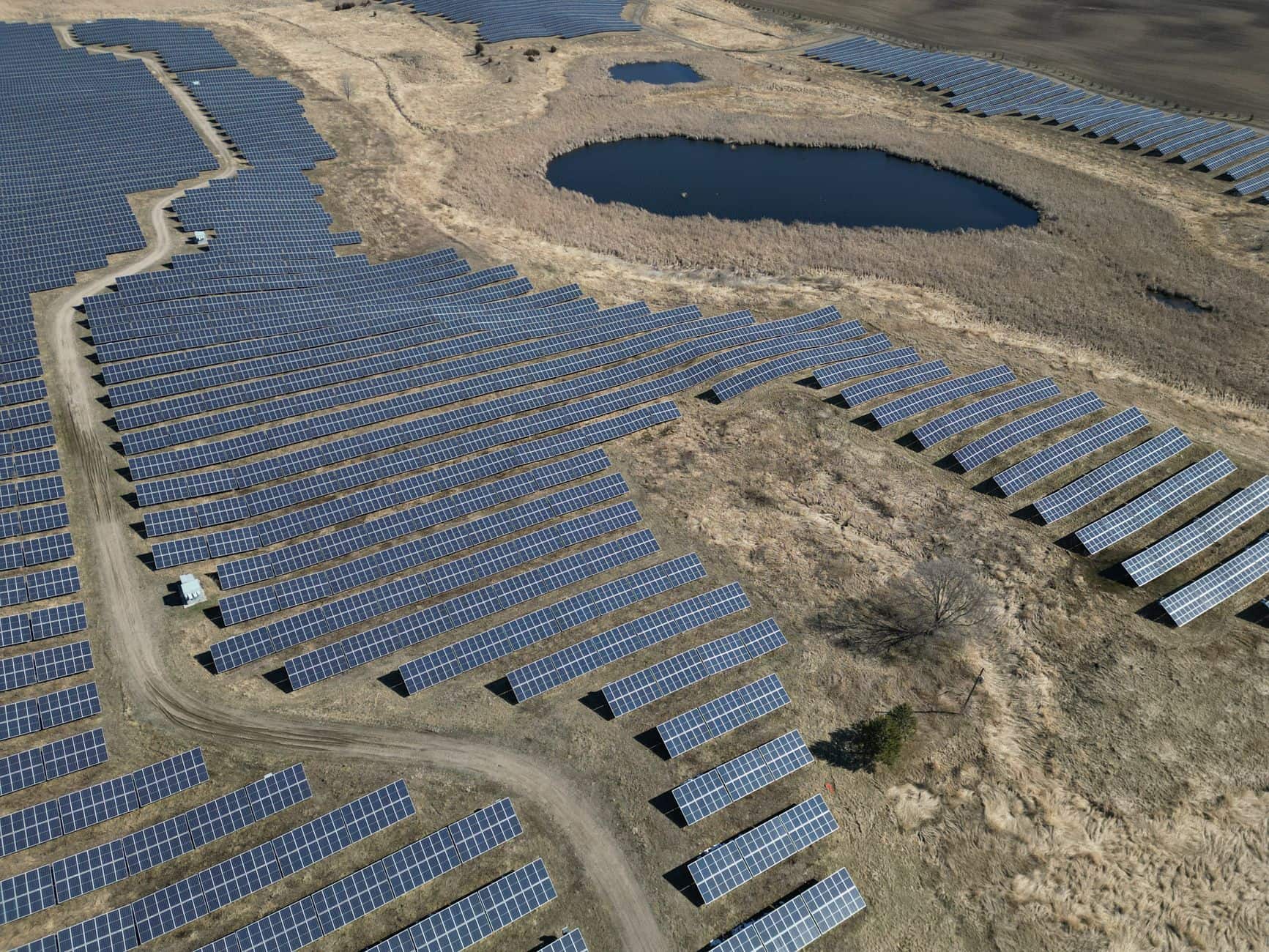
Baltic Utility Boosts Solar & Storage to 600 MW
Latvenergo aims to add 600 MW of new wind and solar by 2026 and is already developing over 250 MW of battery storage, a move that highlights how hybrid projects can boost renewable growth and grid stability.
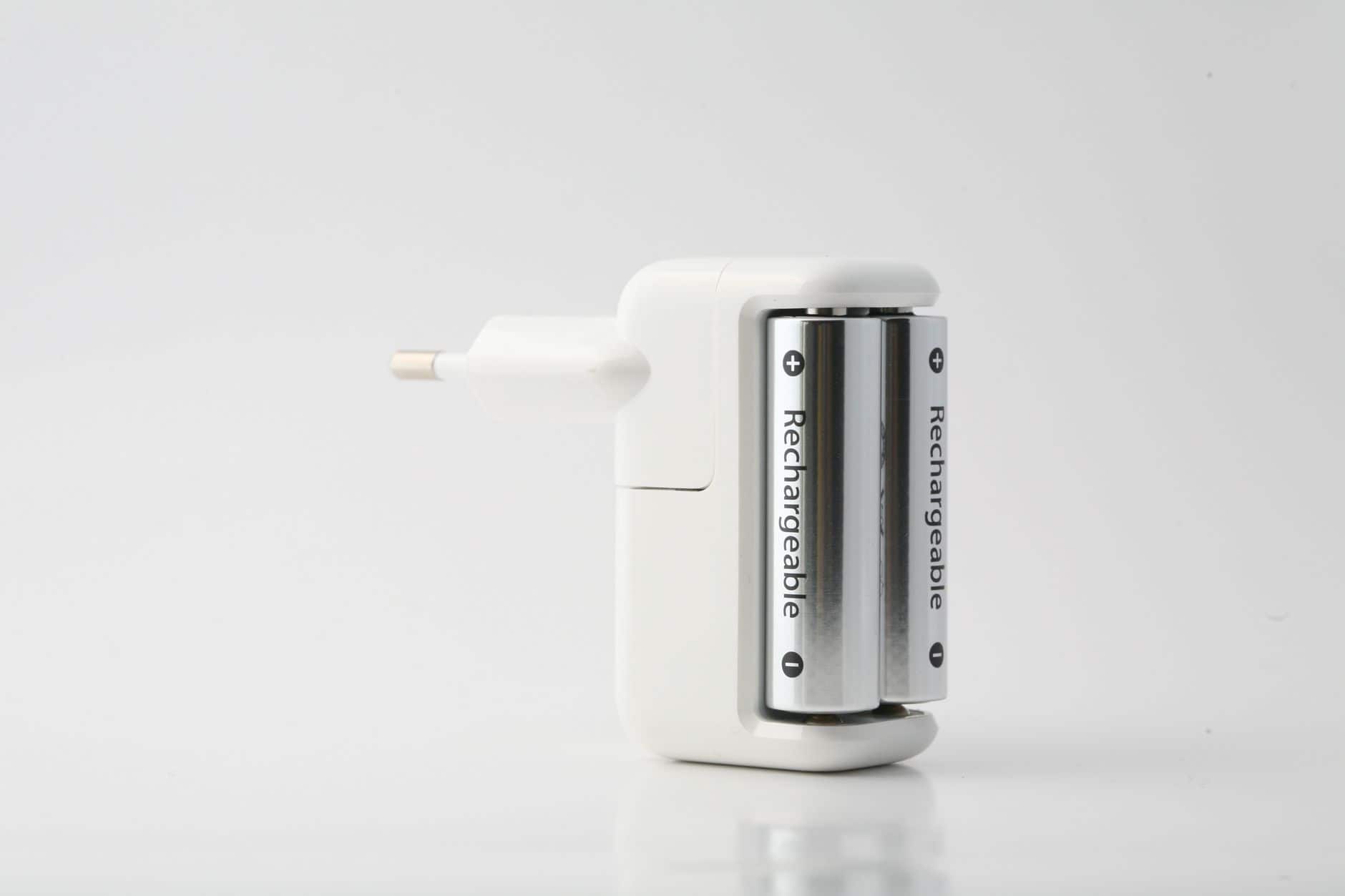
Plug‑in Battery Saves German Renters €120/yr
Rabot Energy’s plug‑in 2 kWh battery, sold at cost, lets German apartment renters save about €120 a year by charging during cheap grid periods and discharging at price spikes.

Thicker Battery Electrodes Boost Energy Density 15%
Fraunhofer ISE’s new thick‑film electrodes boost lithium‑ion, sodium‑ion and zinc‑ion cell energy density by up to 15 % without extra weight, while cutting production cost and eliminating PFAS chemicals.
Sungrow Chooses Samsung SDI Cells US Storage
Sungrow will source Samsung SDI LFP battery cells for its U.S. energy‑storage systems, a three‑year, multi‑gigawatt‑hour deal aimed at bypassing China‑linked supply‑chain restrictions.
HiNa Battery Secures 10 GWh Sodium‑Ion Deal in Korea
HiNa Battery signed a five‑year deal to supply South Korea’s Volta with up to 10 GWh of sodium‑ion batteries, expanding the earlier 15 MWh pilot and marking a major GWh‑scale order for the Korean market.