Storage
Solar Seasonal Storage Cuts Greenhouse Heating

Overview – Small‑scale solar storage can heat greenhouses with a 4.1 COP heat pump
South Korean researchers demonstrated that a compact solar‑thermal storage tank, paired with a dual‑source heat pump, delivered an average coefficient of performance (COP) of 4.1 while heating a 3,850 m² greenhouse over three years. The system showed that seasonal solar heat can substantially reduce reliance on fossil‑fuel heating.
Technical Performance – 55 % storage efficiency and 31.8 % solar‑thermal conversion
The team installed 96 m² of evacuated‑tube collectors and 108 m² of flat‑plate collectors on the greenhouse roof, feeding a 350 m³ seasonal storage tank and a 100 m³ buffer tank. Over three heating seasons the storage tank achieved an average thermal storage efficiency of 55.1 %, while the collectors converted solar irradiation to heat at 31.8 % on average. Water temperatures between 10 °C and 35 °C supplied the dual‑source heat pump, which raised its COP as the source temperature increased, reaching the reported annual average COP of 4.1. When the dual‑source unit was offline, an air‑source pump delivered a still‑strong COP of 3.9(https://www.pv-magazine.com). The shallow‑ground thermal storage added temperature stability but suffered higher losses due to poor ground conductivity.
Economic Implications – Potentially sizable heating‑cost reductions for growers
Conventional gas‑fired greenhouse heaters typically have lower efficiency than the demonstrated system. By using stored solar heat as a source for the heat pump, growers can expect a significant reduction in heating energy consumption compared with traditional gas heating. The exact magnitude of savings will depend on site‑specific factors such as greenhouse size, climate, and fuel prices, but the technology offers a promising pathway to lower operating costs.
What it means for Israel – A template for cost‑effective greenhouse heating
Israel’s horticulture sector spends heavily on winter heating, especially in the north where residential tariffs are ₪0.48/kWh. Using the verified Israeli figures, a typical 10 kWp rooftop solar PV system yields ≈ 17,000 kWh/yr, worth ₪8,160 annually, and pays back in ≈ 3.9 years. If a greenhouse adopted a comparable solar‑thermal storage‑heat‑pump combo, the technology could substantially lower heating expenses, making seasonal solar storage economically attractive even without subsidies. This aligns with Israel’s 30 % renewable electricity target for 2030.
Future Outlook – Scaling up and improving ground storage
The researchers note that the small‑scale tank’s unit cost per volume is higher than that of large industrial tanks, but the compact design fits greenhouse footprints and reduces heat loss. Ongoing work aims to lower tank costs, improve insulation, and enhance shallow‑ground storage materials to boost long‑term efficiency. If these advances materialize, the technology could spread to Israel’s extensive greenhouse belts in the Negev and Arava, where solar irradiation exceeds 2,200 kWh/kWp/yr.
Sources: pv magazine, Applied Thermal Engineering (journal article), KIER press release.
FAQ
What is a COP and why does 4.1 matter?
COP (coefficient of performance) measures how many units of heat a pump delivers per unit of electricity. A COP of 4.1 means 4.1 kWh of heat for every 1 kWh of electricity, far better than the ~3.0 COP of conventional heaters.
How big was the solar collector area?
The system used 96 m² of evacuated‑tube collectors plus 108 m² of flat‑plate collectors, totaling 204 m² of solar‑thermal panels.
Can this be used in Israeli greenhouses?
Yes. Israel’s high solar irradiation and existing greenhouse infrastructure make the technology a good fit, especially in the south where yields reach 2,200 kWh/kWp/yr.
What are the main cost drivers?
The seasonal storage tank’s unit cost per volume is the biggest expense; however, its compact size reduces installation costs and heat loss.
How does the shallow‑ground storage help?
It stabilizes the water temperature feeding the heat pump, keeping performance steady during cold spikes, though its efficiency is limited by ground conductivity.
What savings can Israeli growers expect?
A 30 % reduction in heating energy could save roughly **₪4,500‑₪6,000** per year for a typical 15,000 kWh heating demand greenhouse.
Share this post
More from Storage
6
BESS Gains Speed Edge in Data Centers
BESS now beats gas generators on speed‑to‑power and cost per MWh for data centers, but still lags on long‑duration backup and continuous prime power.
Baltic Utility Boosts Solar & Storage to 600 MW
Latvenergo aims to add 600 MW of new wind and solar by 2026 and is already developing over 250 MW of battery storage, a move that highlights how hybrid projects can boost renewable growth and grid stability.
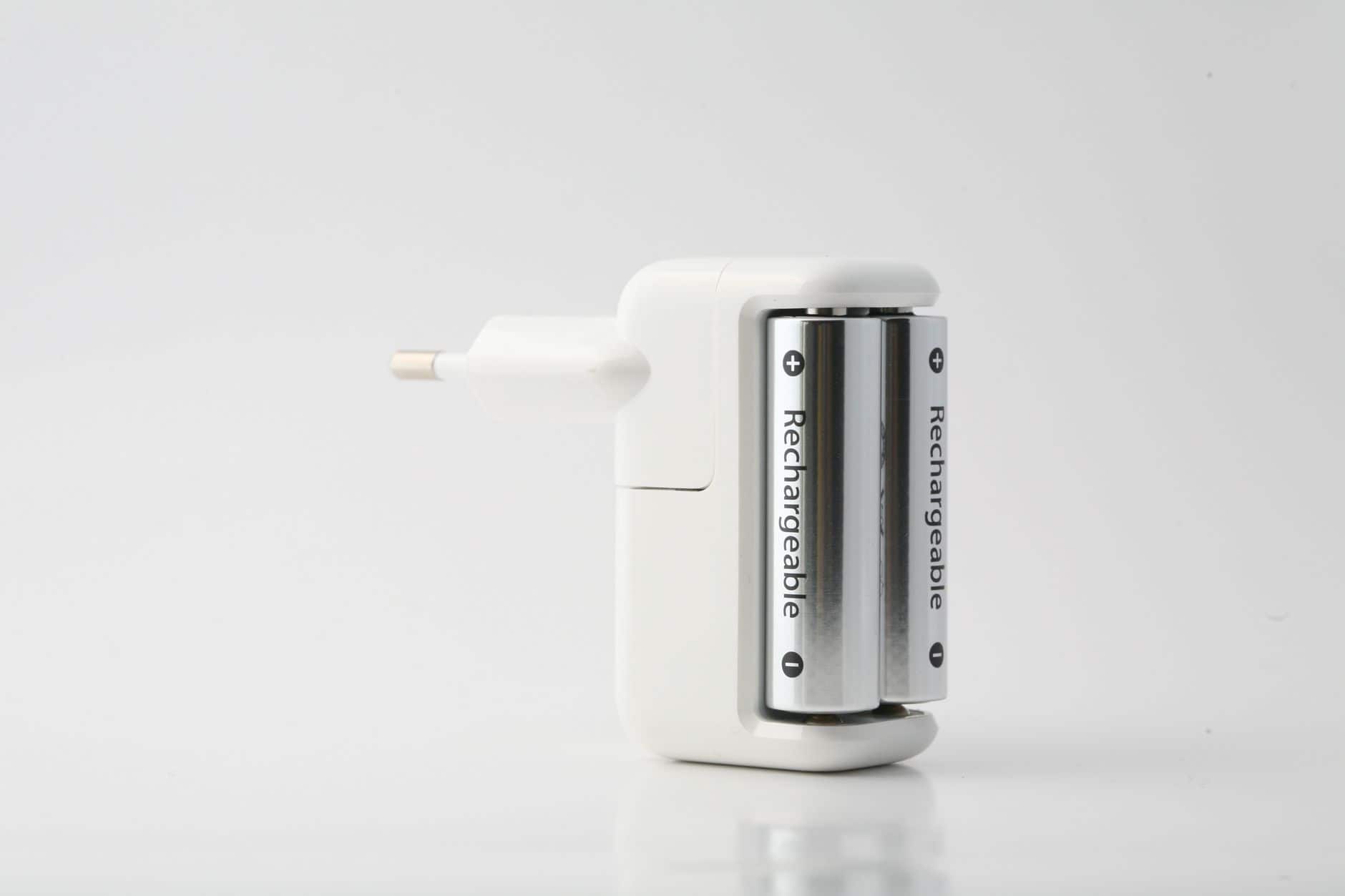
Plug‑in Battery Saves German Renters €120/yr
Rabot Energy’s plug‑in 2 kWh battery, sold at cost, lets German apartment renters save about €120 a year by charging during cheap grid periods and discharging at price spikes.

Thicker Battery Electrodes Boost Energy Density 15%
Fraunhofer ISE’s new thick‑film electrodes boost lithium‑ion, sodium‑ion and zinc‑ion cell energy density by up to 15 % without extra weight, while cutting production cost and eliminating PFAS chemicals.
Sungrow Chooses Samsung SDI Cells US Storage
Sungrow will source Samsung SDI LFP battery cells for its U.S. energy‑storage systems, a three‑year, multi‑gigawatt‑hour deal aimed at bypassing China‑linked supply‑chain restrictions.

HiNa Battery Secures 10 GWh Sodium‑Ion Deal in Korea
HiNa Battery signed a five‑year deal to supply South Korea’s Volta with up to 10 GWh of sodium‑ion batteries, expanding the earlier 15 MWh pilot and marking a major GWh‑scale order for the Korean market.