Policy
EU Green‑Lights Germany’s €35 bn Capacity Plan
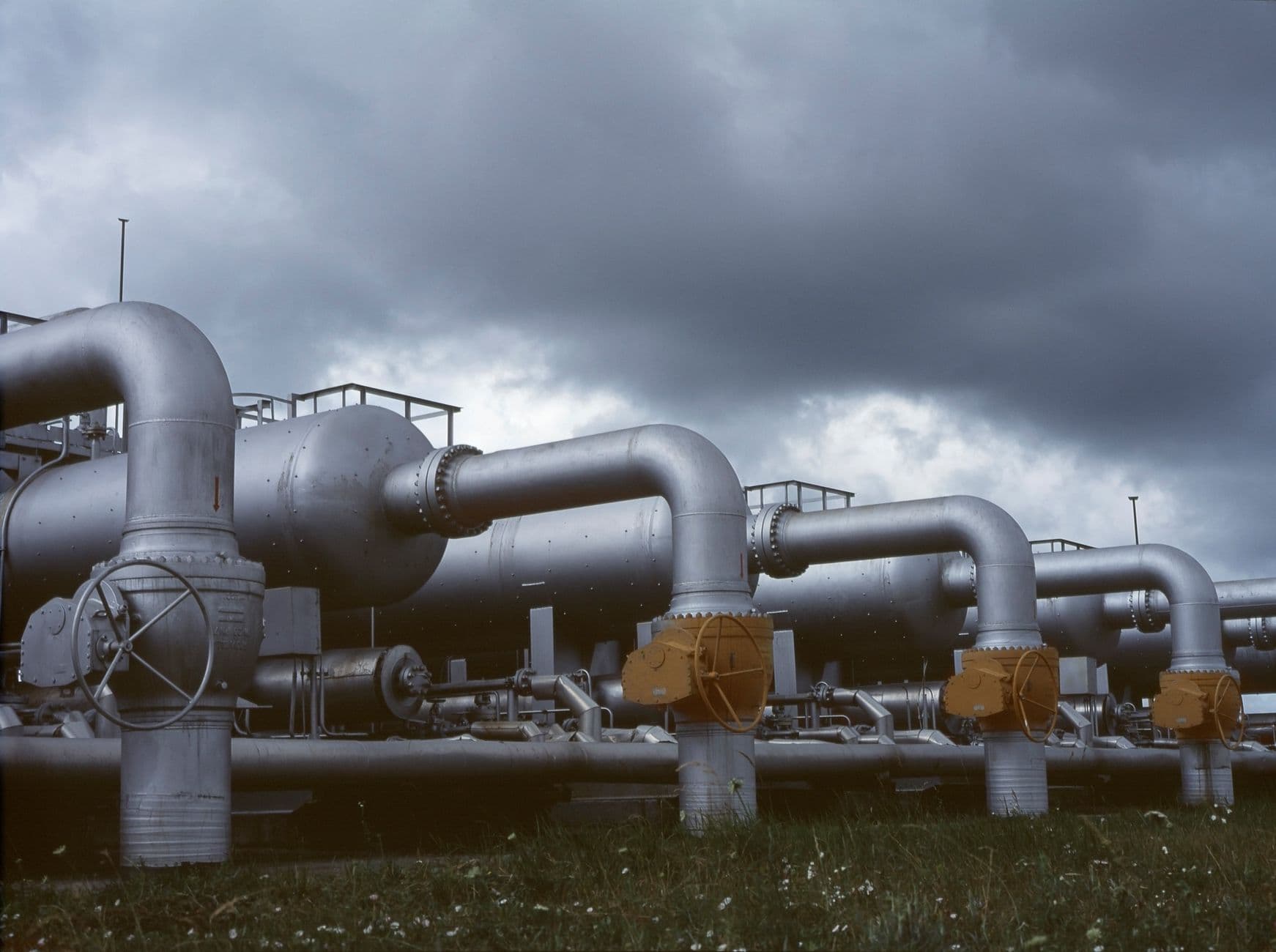
EU approval unlocks €35 bn for Germany’s capacity market
The European Commission gave the green light to Germany’s new capacity mechanism, allowing the government to earmark between €15.6 bn and €35.2 bn to secure generation, storage and demand‑side flexibility from 2031 onward. The scheme, called StromVKG, will run competitive auctions and requires any new gas‑fired plant to be hydrogen‑ready, with a climate‑neutral operating target for 2045.
How the StromVKG works – auctions, contracts and climate rules
Under the approved rules, the German government will hold two 4.5 GW tenders this year, with the first auction kicking off on Sept 8, 2026. Winners will sign 15‑year contracts that pay for capacity regardless of actual electricity generation. The mechanism is technology‑agnostic – it can award capacity to existing plants, cross‑border resources, battery storage, or demand‑response programs – but every participant must prove it can operate carbon‑free by 2045. New gas turbines, therefore, must be built to run on hydrogen or synthetic gas.
The money picture – €1‑3 bn in 2031, up to €2.3 bn per year later
The Commission estimates the first‑year cost (2031) will be €1 bn‑€3 bn, depending on auction outcomes. From 2032 to 2045, annual outlays are projected at €0.9 bn‑€2.3 bn. This scale dwarfs most national storage subsidies and signals a long‑term commitment to a flexible, low‑carbon grid.
Hydrogen‑ready gas plants – a bridge to a zero‑carbon future
The requirement that new gas‑fired units be hydrogen‑ready is a direct response to Europe’s push for green hydrogen production. By mandating dual‑fuel capability, the scheme ensures that today’s gas infrastructure can be repurposed for clean fuel without a full rebuild, smoothing the transition to a 2045 climate‑neutral power system.
Timeline and next steps – from auctions to long‑duration contracts
After the September 2026 auction, the Federal Network Agency (Bundesnetzagentur) will award contracts and oversee construction. Further tenders for long‑duration capacity (e.g., 8‑hour or 24‑hour storage) are slated for 2027‑2029, aiming to fill the gap between short‑term balancing and seasonal storage. The Commission’s approval also clears the way for cross‑border capacity to be counted, potentially pulling in resources from neighboring countries.
Why the EU’s nod matters for Europe’s energy security
By opening the market to all technologies, the mechanism reduces reliance on any single source and creates a price signal for flexible assets. It could fund a substantial amount of new battery storage or hydrogen‑ready gas capacity, helping to meet Germany’s winter peak demand. The move also aligns with the EU’s Fit for 55 climate package, reinforcing the continent’s pledge to cut net‑zero emissions by 2050.
What it means for Israel
For Israeli homeowners and businesses, the German scheme illustrates how large‑scale policy can de‑risk flexible assets. Israel’s own renewable targets – 20 % by 2025 and 30 % by 2030 – rely heavily on solar PV, but the grid still needs firm backup. If Israel were to adopt a similar capacity market, the economics could look like this:
- A typical 10 kWp rooftop system in central Israel yields ~17 000 kWh / yr, worth ₪8 160 at the residential tariff of ₪0.48/kWh.
- At a turnkey cost of ₪3 150/kWp, the upfront spend is ₪31 500.
- A 15‑year capacity contract paying ₪0.14/kWh (the leasing customer‑share rate) would generate ₪2 380 per year, which could significantly shorten the payback period when combined with the feed‑in tariff.
In other words, a German‑style capacity payment could reduce the time Israeli rooftop owners wait to recoup their investment, while also encouraging the deployment of battery storage that can shift solar output to evening peaks. Our own solar ROI calculator lets you model such blended revenue streams for any system size.
Looking ahead – a flexible, hydrogen‑ready Europe
The EU’s approval signals that Europe is ready to fund the “missing middle” of the energy transition – the dispatchable, low‑carbon resources that keep the lights on when the sun isn’t shining. As the first auctions roll out next year, market participants will watch closely to see how price signals shape the mix of gas‑hydrogen hybrids, batteries and demand‑response. For Israel, the lesson is clear: a well‑designed capacity market can accelerate the rollout of flexible resources, lower solar payback times, and bring the country closer to its 2030 renewable target.
Sources: European Commission, Bundesnetzagentur, Reuters
FAQ
When does Germany’s new capacity market start?
The first auction under the StromVKG scheme is scheduled for Sept 8, 2026, with contracts taking effect from 2031.
How much money will the EU allow Germany to spend on the scheme?
The European Commission cleared up to €35.2 billion in state aid, with an estimated €15.6‑€35.2 bn budget for the whole program.
What technologies can win capacity contracts?
All technologies are eligible – new or existing generation, battery storage, demand‑side response, and cross‑border capacity – as long as they can operate climate‑neutral by 2045.
Why must new gas plants be hydrogen‑ready?
Hydrogen‑ready turbines can switch to clean hydrogen later, turning today’s gas assets into zero‑carbon generators and supporting Europe’s hydrogen strategy.
How could a similar capacity market affect Israeli solar owners?
A capacity payment at the leasing rate of ₪0.14/kWh would cut the payback time of a typical 10 kWp rooftop system from about 4 years to roughly 2.5 years.
What is the annual cost of the German capacity mechanism after 2031?
Annual outlays are projected at €0.9 bn‑€2.3 bn for the period 2032‑2045, depending on auction results.
Share this post
More from Policy
6
Lebanon Fast‑Tracks Solar Up to 1.5 MW
Lebanon’s new interim rules let PV systems up to 1.5 MW bypass the Energy Ministry, shifting permitting and safety oversight to municipalities and engineers, a move that could speed up solar deployment across the country.
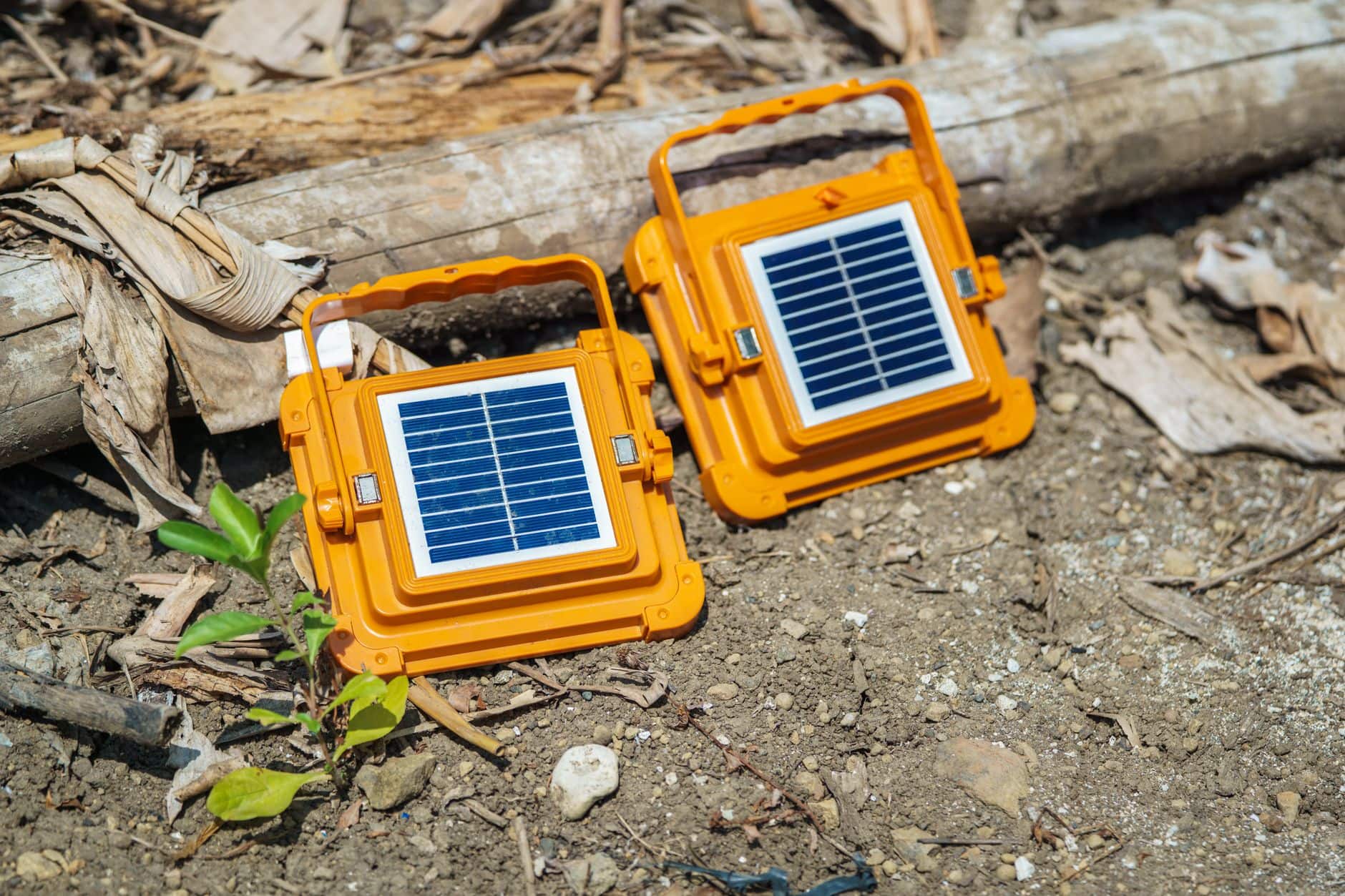
Plug‑in Solar Legal in 10 US States
A wave of U.S. state legislation now permits plug‑in solar on balconies and patios, offering renters an affordable, portable power solution, while Israel’s typical 1 kW system can deliver notable savings and a payback period of about four years.
Romania Allocates €650M for Solar‑Storage
Romania will allocate €650 million to fully fund solar‑plus‑storage projects on public buildings, with up to €10 million per beneficiary and a deadline of 2029.
South Korea Sets Solar Committee Boost Industry
South Korea has formed a Solar Industry Competitiveness Committee to rebuild its domestic solar supply chain and target 56.2 GW of new capacity by 2030, with a focus on ≥35 % efficient tandem cells.
US Renewable Projects Face Record Opposition
The U.S. recorded a record 888 renewable‑energy restrictions in 2025, but new rules slowed to 70, while cancellations surged to 9.8 GW – the biggest single‑year loss on record.
France Calls for Thin‑Film Solar Recycling
France’s Soren has opened a call for thin‑film solar recyclers, prioritizing a 1,300‑tonne CdTe batch, with projected waste rising to 15,000 t by 2037.