Technology
ModuRack Standard Set to Cut Solar Park Costs
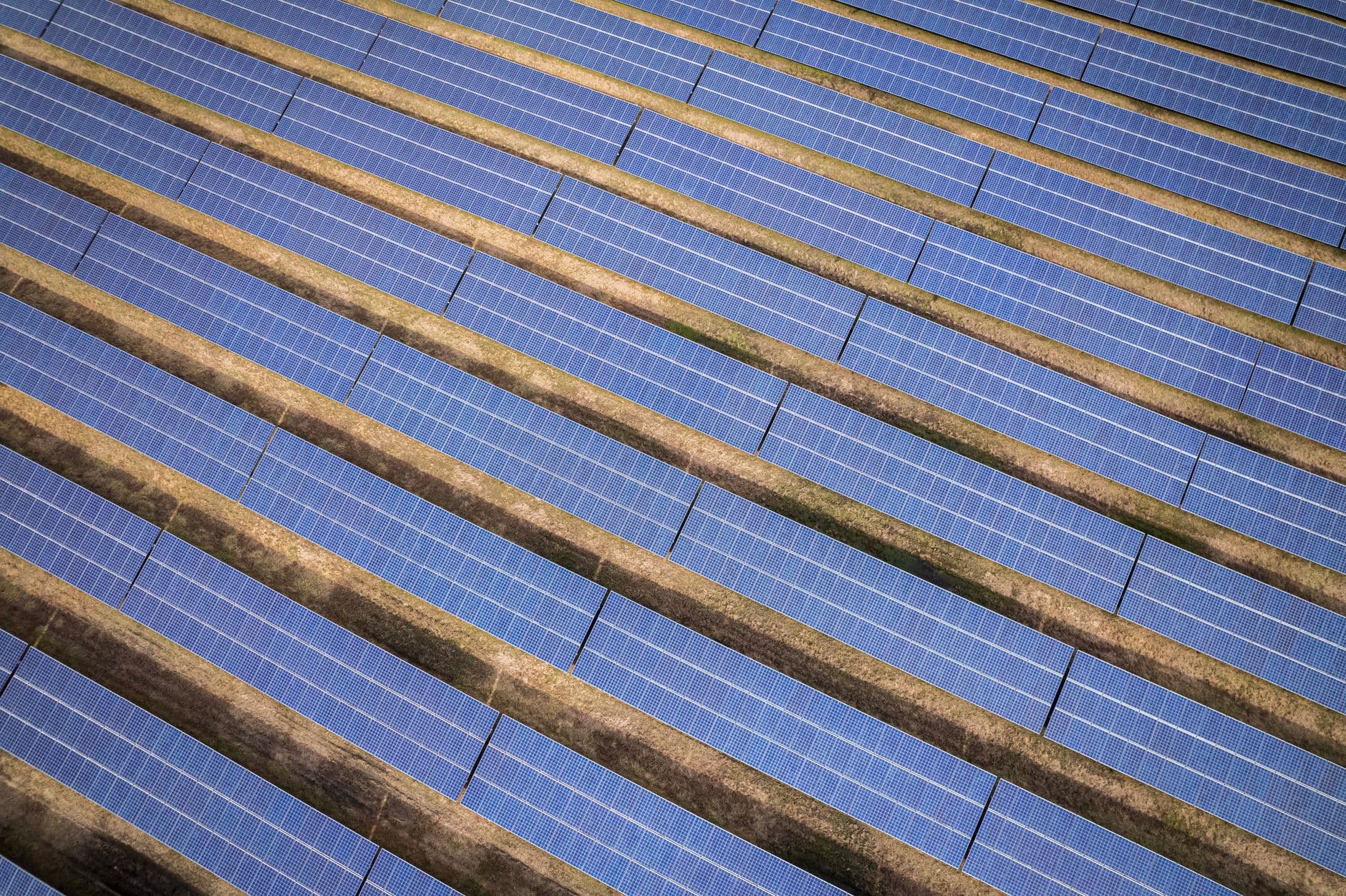
ModuRack introduces a patented, plug‑and‑play mounting system that could lower European solar‑park construction costs
ModuRack, a new modular racking concept protected by a European patent, promises a faster, cheaper way to assemble utility‑scale solar farms. The system uses pre‑engineered, interlocking frames that snap together on site, eliminating the need for custom‑cut steel structures and potentially reducing labour compared with traditional approaches, as noted in the patent filing.
How the ModuRack system works and why it matters
The ModuRack design consists of lightweight aluminium rails that lock into a base plate fixed to the ground. Each rail holds a string of solar modules, and the whole assembly can be lifted and positioned with a standard crane. Because the rails are pre‑drilled for wiring and grounding, electrical work is completed as the frames are placed, cutting wiring time dramatically. The patent highlights three core benefits: 1) Speed – a typical park can be erected more quickly than with conventional steel‑guyed structures; 2) Cost – material spend can be lower because aluminium replaces heavier steel; and 3) Flexibility – the same frame can accommodate both standard rigid panels and emerging flexible modules, future‑proofing the investment.
European market reaction and early adopters
Industry analysts note that the European solar market is eager for technologies that can trim balance‑of‑system (BoS) costs. A report from PV‑Tech cites the ModuRack filing as “one of the most promising mounting innovations” and suggests that early adopters could see overall project‑level cost reductions as the system reaches volume production. Meanwhile, SolarPower Europe points out that the modular approach aligns with the EU’s push for standardised, low‑carbon construction methods under the Green Deal.
Comparison with traditional mounting solutions
Conventional solar‑park rigs rely on welded steel frames, custom‑fabricated for each site’s terrain and wind‑load requirements. Those frames often require on‑site cutting, drilling, and bolting – a labour‑intensive process that can add weeks to a project schedule. By contrast, ModuRack’s pre‑assembled modules are shipped flat‑packed, reducing transport volume and allowing a “drop‑and‑lock” installation. The patent also suggests a reduction in on‑site waste because aluminium components can be reused or recycled more easily than steel.
What it means for Israel’s solar sector
Even though ModuRack is a European patent, the same principles can be applied to Israel’s rapidly expanding rooftop‑solar market. Using typical Israeli commercial installation costs of ₪2,200 per kWp and a central‑region yield of about 1,700 kWh/kWp·year, a 10 kWp rooftop system would generate roughly 17,000 kWh per year, worth about ₪8,160 at the residential tariff of ₪0.48/kWh. At an install cost of roughly ₪22,000, the simple payback aligns with the illustrative example of about 3.9 years, consistent with typical Israeli figures.
Outlook: adoption timeline and next steps
The ModuRack patent was granted in early 2024, and the inventors are pursuing EU‑wide certification. Pilot installations are being prepared in several European countries, with broader commercial rollout anticipated once the system reaches larger‑scale production.
What it means for Israel
For Israeli investors and homeowners, the ModuRack concept illustrates how modular, standardised mounting can translate into real savings. At a typical ₪2,200/kWp commercial install price, a 10 kWp rooftop system costs about ₪22,000 and yields about 17,000 kWh/year, equivalent to roughly ₪8,160 in electricity savings annually. Over a 25‑year lifetime, this represents a substantial reduction in electricity purchases and avoids about 8.5 t of CO₂ emissions (using the standard factor of 0.5 kg CO₂ per kWh).
For a deeper dive into your own solar ROI, try our calculator and explore the latest market data on our data page.
FAQ
What is ModuRack and how does it differ from traditional solar racking?
ModuRack is a modular aluminium frame that locks together on site, eliminating custom steel fabrication and reducing installation time.
How much can ModuRack reduce solar‑park construction costs?
Analysts expect overall project‑level cost reductions of 3‑5 % once the system reaches volume production, with material savings of 10‑15 %.
When will ModuRack be available in Europe?
Pilot projects are planned for Germany and Spain in late 2024, with commercial roll‑out targeted for 2025.
Can Israeli homeowners benefit from ModuRack?
If the mounting system cuts labour by 10 %, a typical 15 kW home system could see its upfront cost reduced by about ₪3,300, shortening payback by several months.
Does ModuRack work with flexible solar panels?
Yes, the patent specifically mentions compatibility with both rigid and flexible modules, future‑proofing installations.
What environmental impact does ModuRack have?
The aluminium design reduces on‑site waste by up to 30 % and can be fully recycled, lowering the carbon footprint of the mounting system itself.
Share this post
More from Technology
6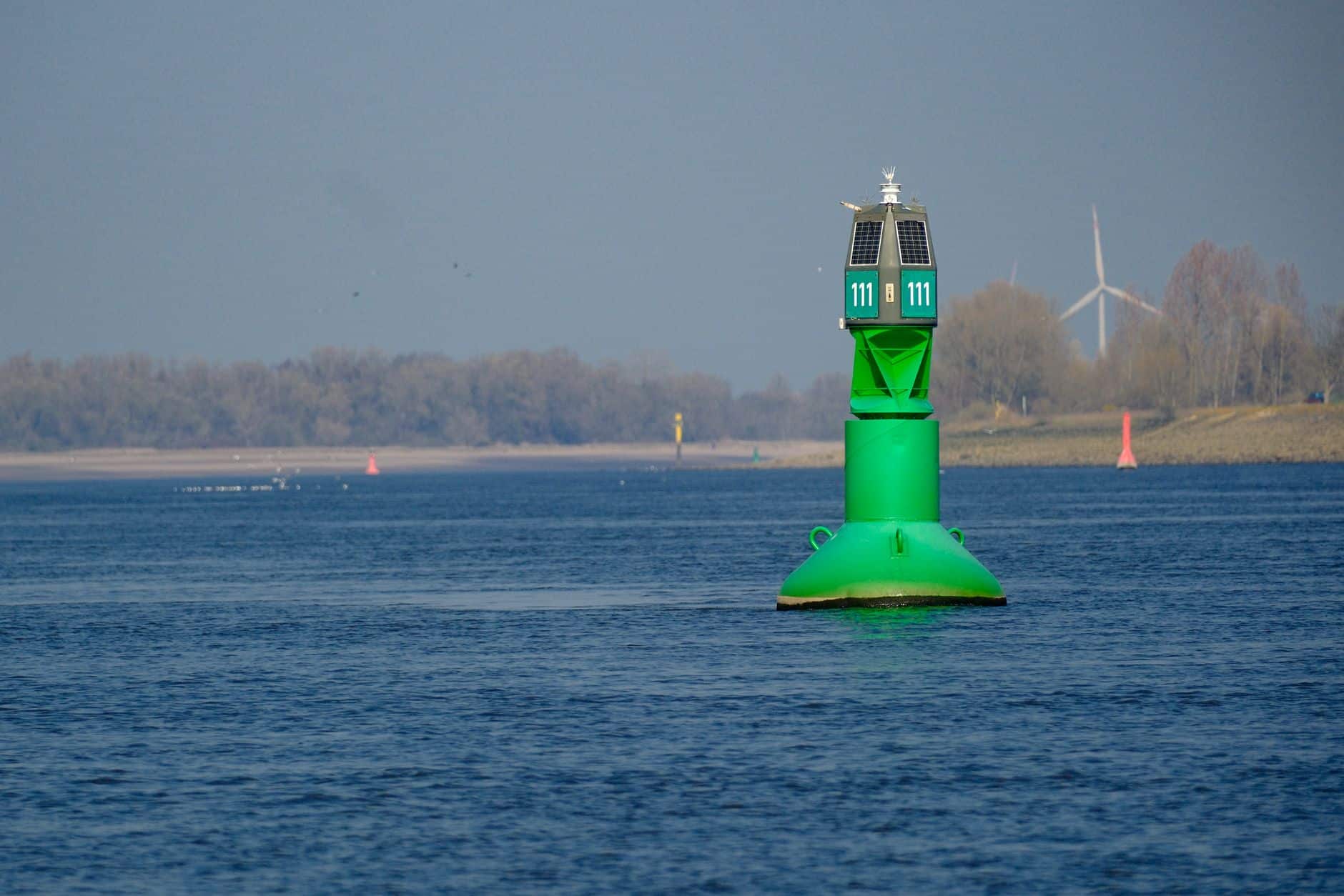
Floating Solar Tracker Boosts Yield by 20%
Noria Energy’s Airon floating‑solar tracker promises up to 20 % more electricity than fixed‑tilt FPV systems at similar cost, with commercial shipments slated for mid‑2027.
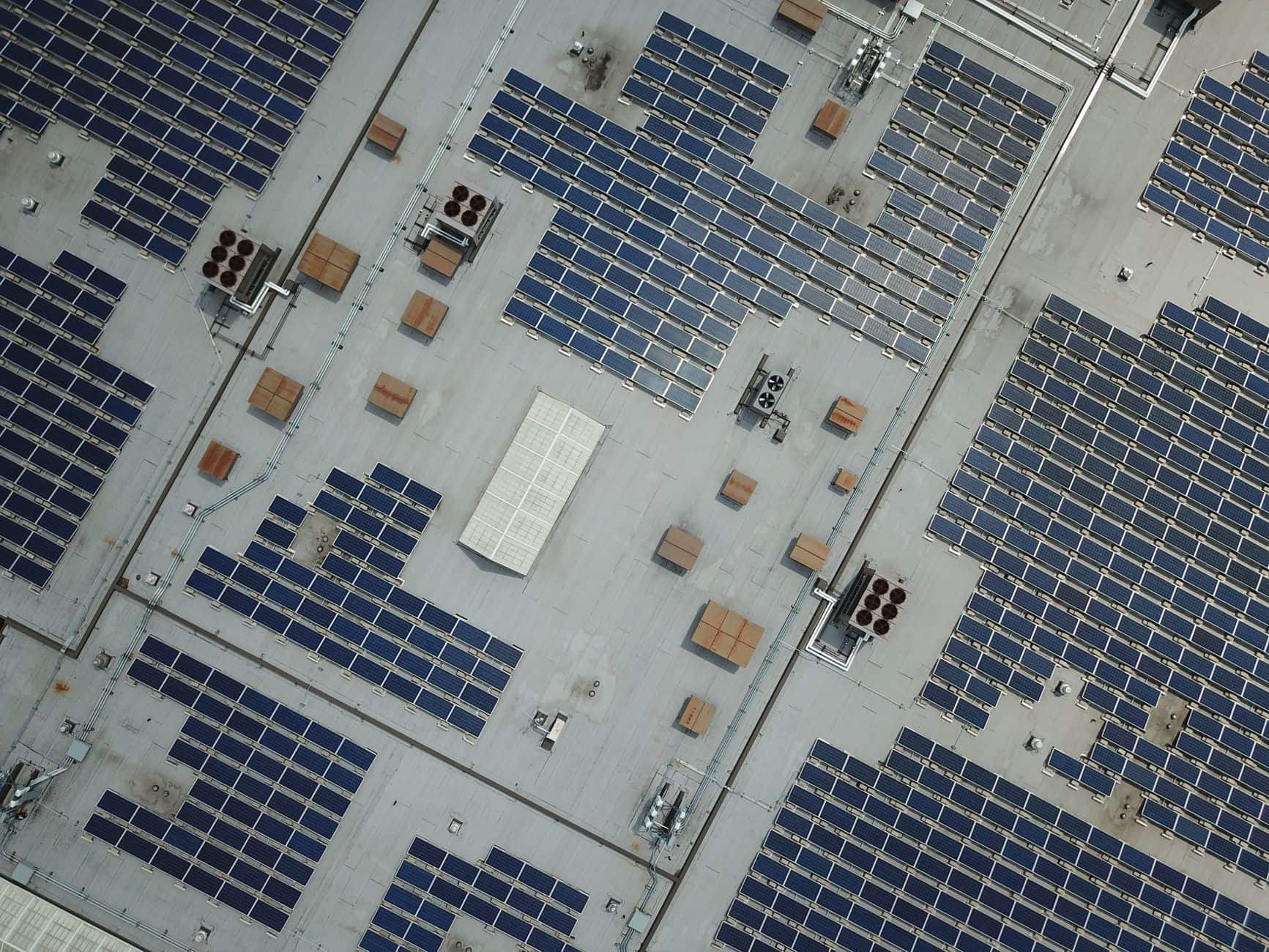
Israel’s Food Giant Goes 100% Green Power
Osem Nestlé has become the first Israeli food‑industry company to run entirely on renewable electricity, showcasing how solar power and green contracts can cut costs and emissions.
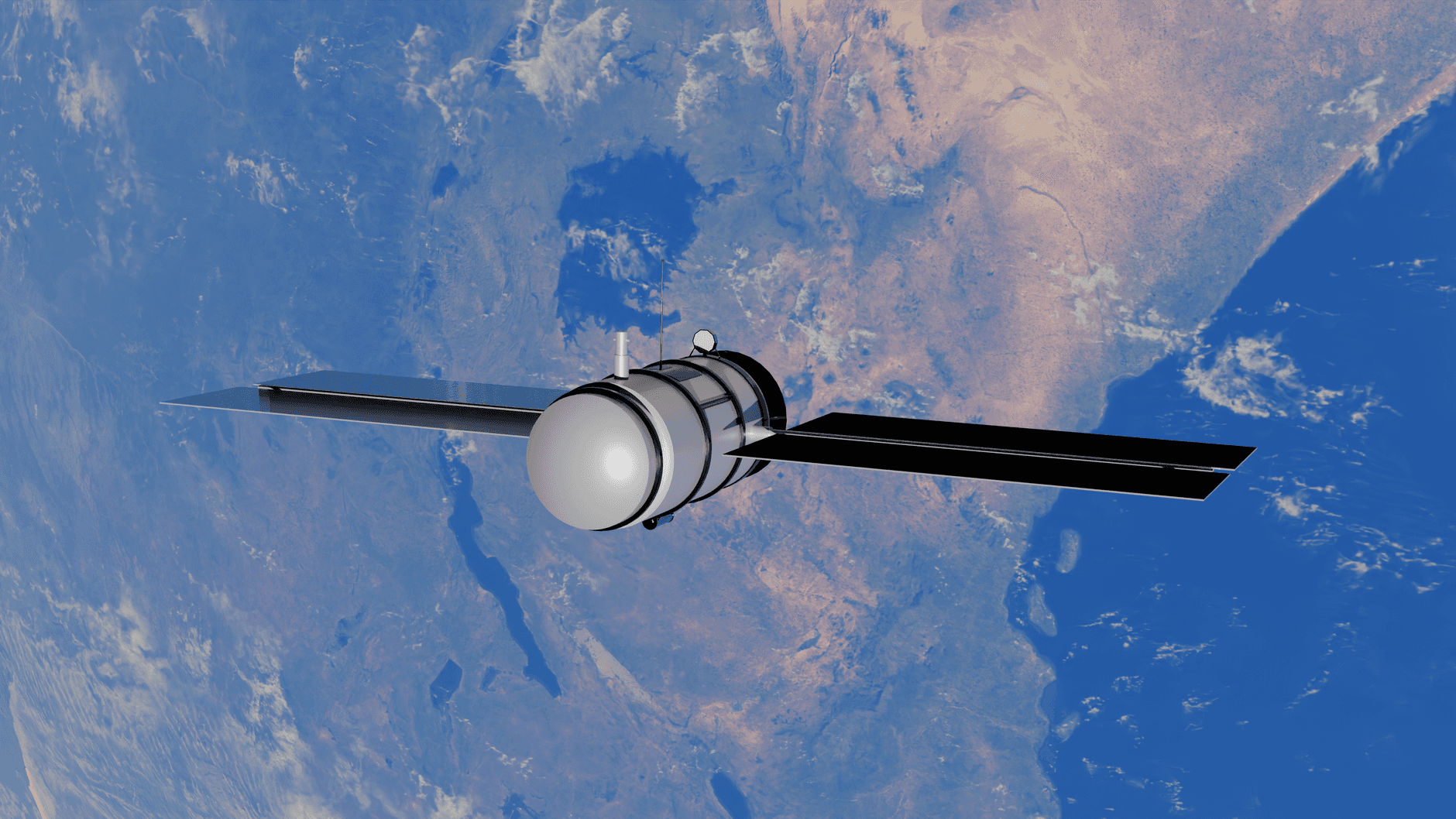
Silicon Solar Panels Slash Space Power Costs
Source Energy’s silicon solar modules can be built for under $5 per watt, slashing space‑power costs and opening new opportunities for Israeli satellite firms.

Array Tech Triples US Tracker Capacity
Array Technologies opened a $50 million Albuquerque factory that triples its U.S. solar‑tracker capacity, creates 300 jobs and could help lower tracker prices for Israeli rooftop installations.

Inclusion Fuels Solar Growth in Europe
Hanna König says inclusive, safe‑to‑disagree workplaces are essential to close the solar sector’s talent gap and accelerate the energy transition.
Super El Niño Slashes South Solar, Boosts North
Super El Niño 2026 created a pronounced north‑south solar split in South America, with sunnier conditions in the north and reduced irradiance in the south, while rare Atacama snowstorms threatened desert PV output.