Technology
Wildfire Risks Threaten Ready‑to‑Build Solar Projects
Wildfire can derail a ready‑to‑build solar project within weeks
A forest fire that hits a site already cleared for construction can instantly force a legal, technical and financial overhaul, even though the original permits remain on paper. In Spain, developers must re‑evaluate safety buffers, environmental studies and force‑majeure clauses, which can add costly new requirements and jeopardise the project's economic viability.
Safety buffers and fire‑protection measures must be re‑checked
When a wildfire burns through a solar farm’s perimeter, authorities often demand wider vegetation‑free zones to protect the array from future flames. This can shrink the usable area for panels, forcing a redesign that reduces the plant’s planned capacity. Additional infrastructure—such as water‑storage tanks, hydrants or specialised firefighting equipment—may also be mandated, inflating the capital spend beyond the original budget. According to Jochen Beckmann, a lawyer at Rödl Barcelona, “These measures could increase project costs and affect the project’s original economic assumptions.”
Environmental impact statements need a fresh look
The environmental impact statement (EIS) filed before construction assumes a stable landscape. A fire can dramatically alter soil hydrology, vegetation cover and erosion risk, prompting regulators to require a technical addendum to the environmental monitoring program (EMP). New measures might include erosion‑control works, revised drainage systems and post‑fire restoration monitoring. Such changes not only add compliance costs but can also delay construction timelines, as the developer must submit revised plans for approval.
Force‑majeure classification does not guarantee guarantee refunds
Spanish Law 21/2013 treats a lightning‑induced wildfire as a force‑majeure event, but this label alone does not automatically release the developer’s financial guarantees. To recover deposited guarantees, the developer must prove a direct causal link between the fire and the project's infeasibility. Comprehensive documentation of the fire’s extent, the resulting technical upgrades, and the economic impact is essential for any claim.
What it means for Israel’s solar market
While Israel rarely faces large‑scale wildfires, the principle of post‑permit risk assessment is relevant for any rooftop or ground‑mount project. A typical 10 kWp home system in central Israel yields about 17 000 kWh / year, worth roughly ₪8 160 at the residential tariff of ₪0.48/kWh, and pays back in about 3.9 years on a ₪31 500 installation cost. If an unexpected event such as a severe storm or fire forced a redesign that reduced capacity, the annual revenue would be lower and the payback period would be extended. This illustrates how unexpected site‑condition changes can erode the financial returns that Israeli homeowners rely on. For a deeper dive, use our solar ROI calculator or explore regional data on our market‑data page.
Looking ahead: preparing for the unexpected
Developers are increasingly including contingency clauses in contracts and budgeting for fire‑protection measures. In Spain, the legal framework already requires swift notification of any site‑changing event, and similar practices could be adopted in Israel to safeguard investments against natural‑disaster shocks. As climate change intensifies fire risk, proactive planning will become a cornerstone of resilient solar development.
Key takeaways
- A wildfire can force new safety buffers, reducing usable land for panels.
- Updated environmental studies may add erosion‑control and drainage works.
- Force‑majeure status alone doesn’t guarantee return of financial guarantees.
- Israeli homeowners should consider a modest capacity‑loss scenario to gauge payback impacts.
Sources: analysis based on an interview with Jochen Beckmann for pv magazine.
FAQ
Does a wildfire automatically cancel a solar project’s permits?
No, existing permits stay valid, but authorities may require new safety and environmental measures that can make the project unfeasible.
What new safety measures might be required after a fire?
Wider vegetation‑free buffers, water‑storage tanks, hydrants, or specialised firefighting equipment could be mandated.
Can developers get their financial guarantees back after a fire?
Only if they can prove the fire directly caused the project to become technically or economically impossible.
How would a 10% capacity loss affect a typical Israeli home system?
Annual revenue would drop from about ₪8 160 to ₪7 344, extending the payback period from ~3.9 to ~4.3 years.
What should developers do to prepare for fire risk?
Include contingency clauses, budget for extra fire‑protection infrastructure, and set up rapid notification procedures for any site‑changing events.
Share this post
More from Technology
6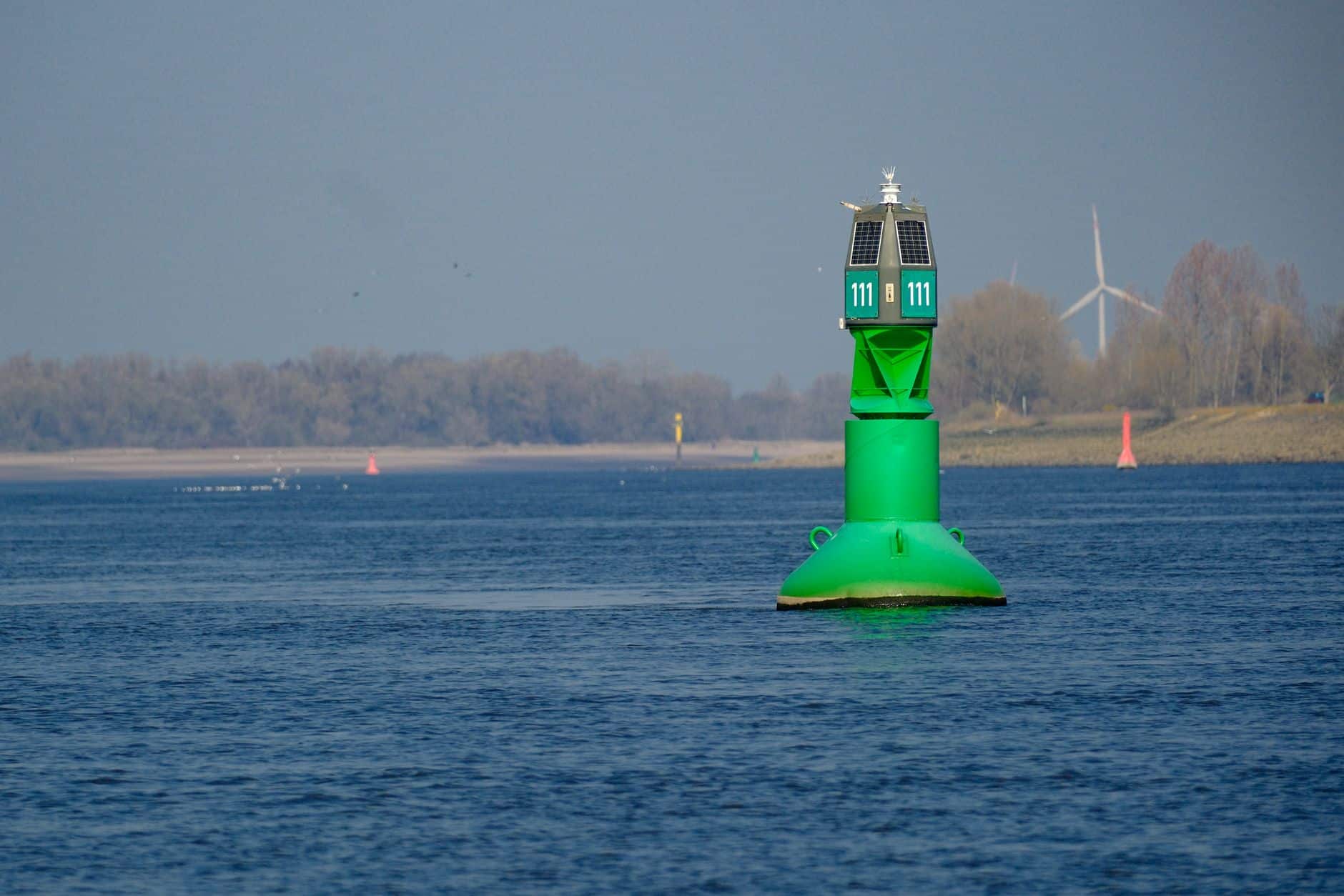
Floating Solar Tracker Boosts Yield by 20%
Noria Energy’s Airon floating‑solar tracker promises up to 20 % more electricity than fixed‑tilt FPV systems at similar cost, with commercial shipments slated for mid‑2027.
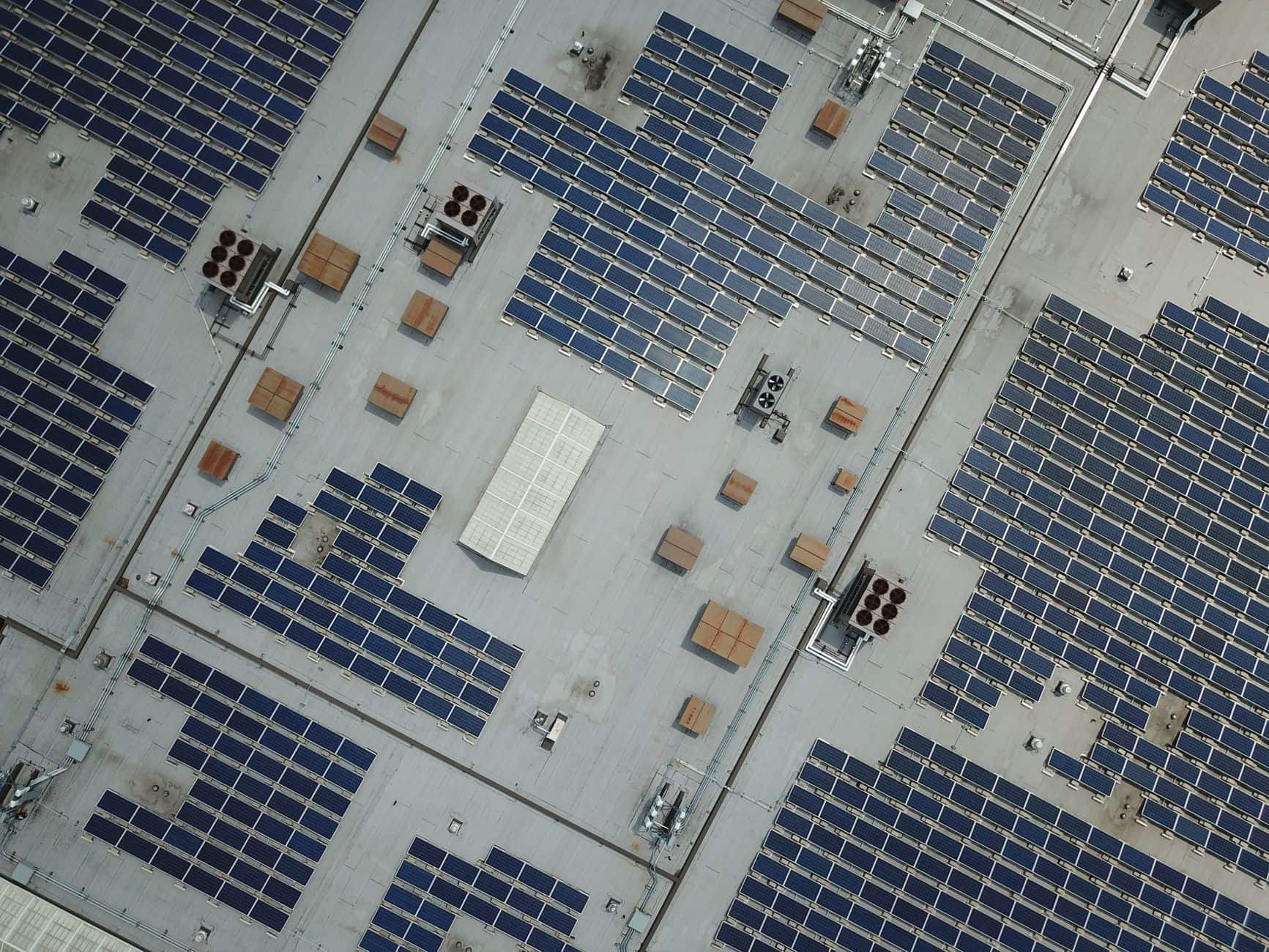
Israel’s Food Giant Goes 100% Green Power
Osem Nestlé has become the first Israeli food‑industry company to run entirely on renewable electricity, showcasing how solar power and green contracts can cut costs and emissions.
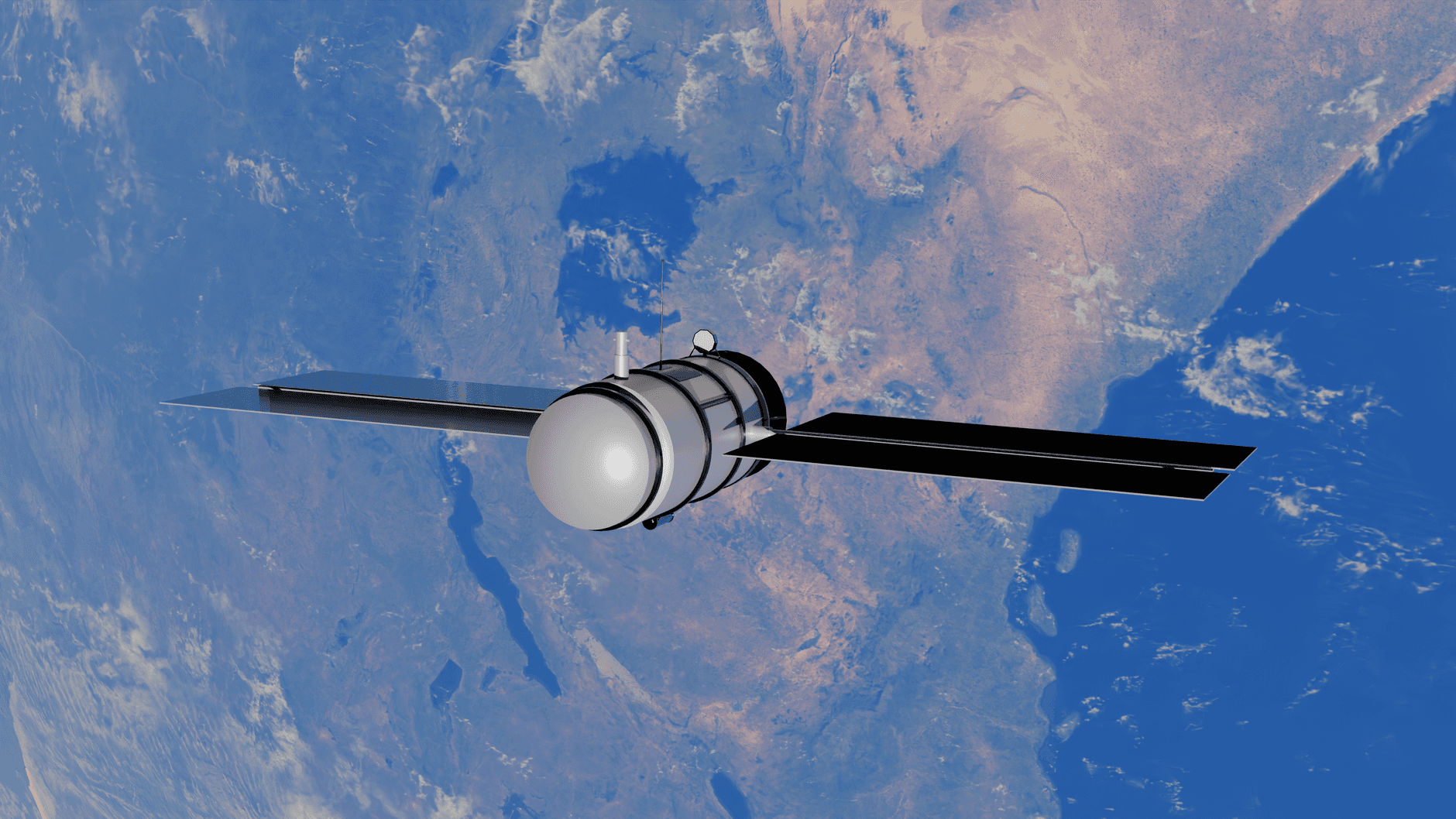
Silicon Solar Panels Slash Space Power Costs
Source Energy’s silicon solar modules can be built for under $5 per watt, slashing space‑power costs and opening new opportunities for Israeli satellite firms.
Array Tech Triples US Tracker Capacity
Array Technologies opened a $50 million Albuquerque factory that triples its U.S. solar‑tracker capacity, creates 300 jobs and could help lower tracker prices for Israeli rooftop installations.

Inclusion Fuels Solar Growth in Europe
Hanna König says inclusive, safe‑to‑disagree workplaces are essential to close the solar sector’s talent gap and accelerate the energy transition.
Super El Niño Slashes South Solar, Boosts North
Super El Niño 2026 created a pronounced north‑south solar split in South America, with sunnier conditions in the north and reduced irradiance in the south, while rare Atacama snowstorms threatened desert PV output.