Technology
Comoros Turns On 20 MW Solar Boost
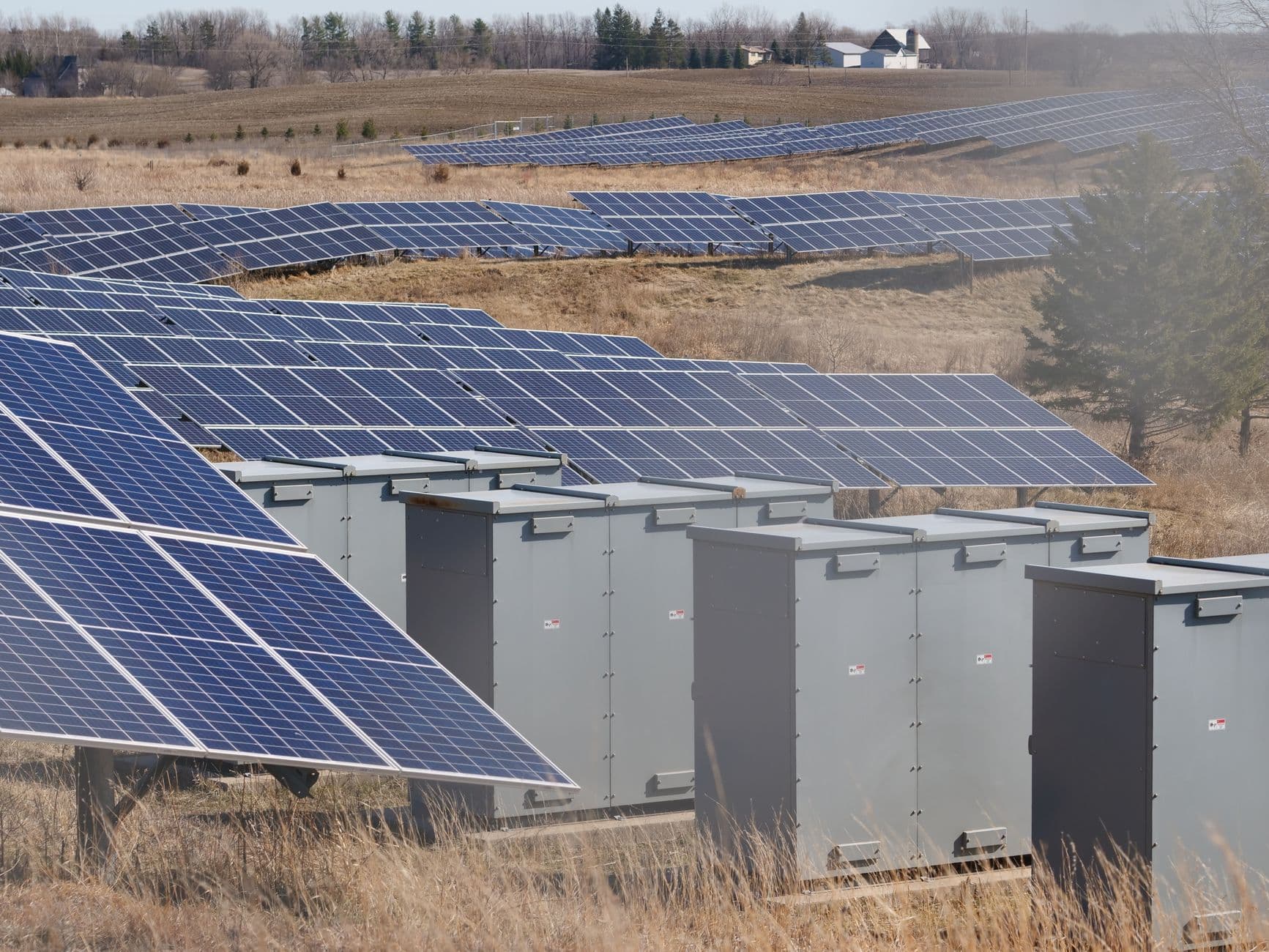
Comoros launches 20 MW of solar power in a single day
The government of the Comoros switched on three new solar farms totalling 20 MW of capacity, enough to feed roughly 17,500 homes with clean electricity. The plants – a 12.86 MW array on Grande Comore, a 4.05 MW unit on Anjouan and a 3.1 MW facility on Mohéli – went live together on [date not specified] and are already delivering power to the national grid.
Who built and funded the islands’ new solar farms?
Abu‑Dhabi‑based developer Masdar partnered with energy‑infrastructure specialist Global South Utilities to design, construct and commission the projects. Financing came from the Abu Dhabi Fund for Development, which provided AED 84.4 million (≈ US$22.9 million). The partnership has been reported in sources such as PV Magazine, Reuters and African Renewable Energy Association.
What does the generation look like?
Masdar estimates the three farms will together produce 33.75 GWh per year. That output represents about 13.3 % of the Comoros’ total electricity demand and 22.5 % of the country’s actual generation (the rest being largely diesel‑fired). In practical terms, the energy is enough for ≈ 17,500 households.
Batteries and grid upgrades keep the power reliable
Alongside the PV arrays, the programme installed two battery storage systems with a combined capacity of 8 MW / 16 MWh – one on Grande Comore and another on Anjouan. About 30 km of 20 kV transmission lines were also built to connect the farms to the national grid, reducing the frequency of the ≈ 3,000 power outages the islands suffered in 2024.
Why the project matters for the Comoros
Diesel still supplies 91 % of the nation’s electricity mix (2024 data). By displacing a portion of that fuel‑heavy generation, the solar‑plus‑storage complex cuts import costs, lowers greenhouse‑gas emissions and improves grid resilience. UAE Ambassador Jumaa Rashid Al‑Romaithi stressed that the initiative “strengthens energy infrastructure and expands access to reliable solar power,” positioning the islands for longer‑term economic and social development.
What it means for Israel
The Comoros figures illustrate how a 1 MW solar plant can generate roughly 1.7 GWh per year (33.75 GWh ÷ 20 MW). In Israel’s central region, a typical 1 MW rooftop system (1,000 kWp) yields about 1.7 GWh annually as well (1700 kWh / kWp × 1,000 kWp). At the residential feed‑in tariff of ₪0.48 /kWh, that electricity is worth ≈ ₪816,000 per year. With a typical turnkey cost of ₪3,150 /kWp, a 1 MW installation costs about ₪3.15 million and would pay back in ≈ 3.9 years – the same payback period shown in the verified Israeli example for a 10 kWp home system. This parity shows that Israeli investors can expect similar energy yields from utility‑scale solar as small‑scale rooftop projects, while benefitting from economies of scale.
Outlook: scaling solar across islands and deserts
The 20 MW rollout is part of a broader push in the Indian Ocean to replace diesel with renewables. The Africa Solar Industry Association reports a total of 46.9 MW of operational solar in the Comoros, indicating that the new farms represent a substantial increase in the nation’s solar capacity. If the islands continue adding storage and grid upgrades, they could eventually meet the majority of their electricity needs from clean sources, mirroring Israel’s own target of 30 % renewable electricity by 2030.
What it means for you – Use our solar ROI calculator to see how a 1 MW investment would perform under Israeli tariffs, or explore detailed market data on our solar data page.
FAQ
How much electricity will the new Comoros solar farms produce?
The three farms together are expected to generate about 33.75 GWh per year, enough for roughly 17,500 households.
What share of the Comoros’ electricity demand will the new solar capacity cover?
The solar output will represent about 13.3 % of the country’s total electricity demand and 22.5 % of actual generation.
Who financed the Comoros solar projects?
The Abu Dhabi Fund for Development provided AED 84.4 million (≈ US$22.9 million) to fund the three farms.
How much battery storage was installed with the solar farms?
Two battery systems were built, offering a combined capacity of 8 MW and 16 MWh of storage.
What does this mean for an Israeli investor?
A 1 MW solar plant in Israel would generate about 1.7 GWh annually, worth roughly ₪816,000 at the residential tariff, and would pay back in about 3.9 years.
How does the project affect diesel use in the Comoros?
By supplying up to 22.5 % of generation, the solar farms help reduce the country’s 91 % diesel‑fuelled electricity mix.
Share this post
More from Technology
6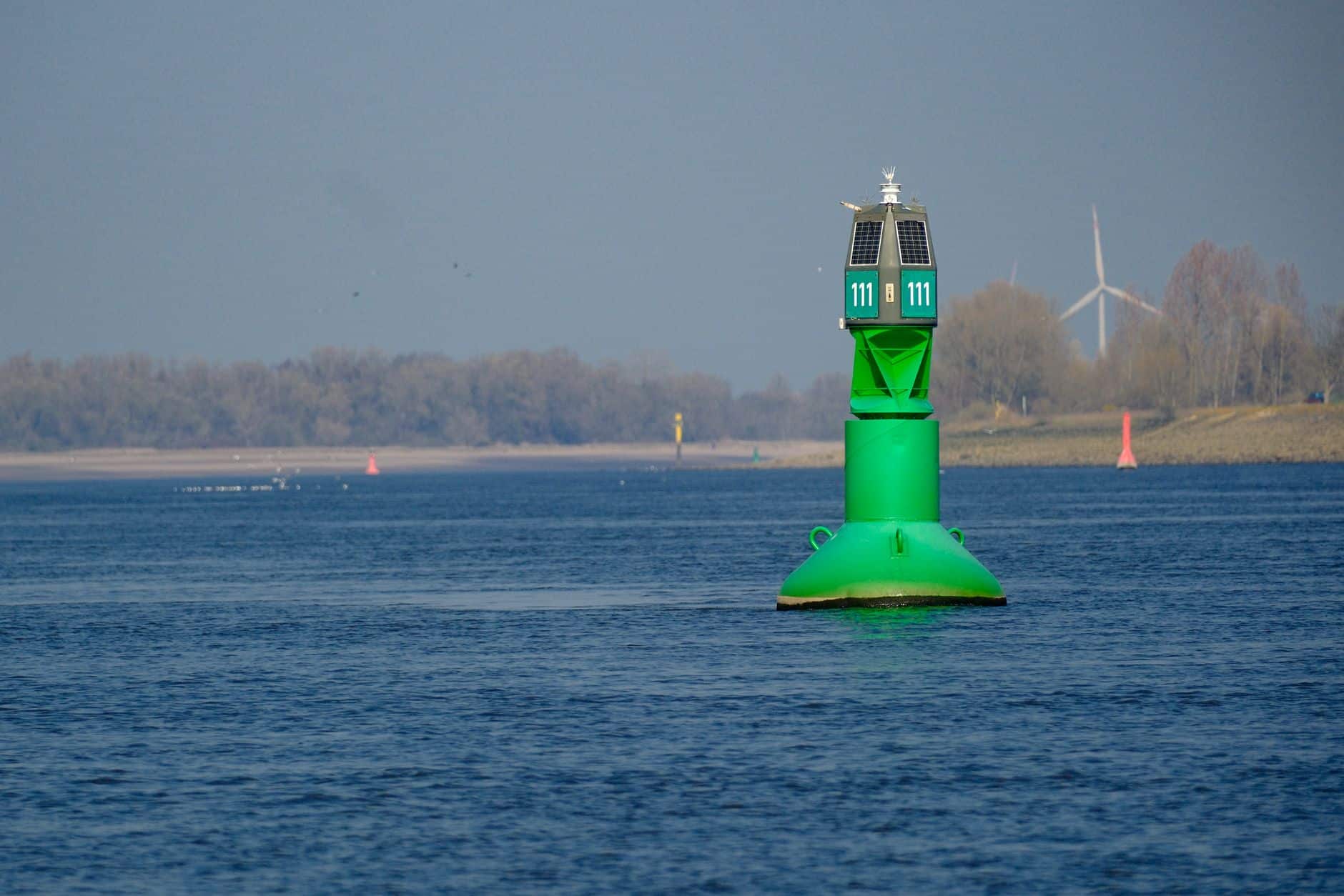
Floating Solar Tracker Boosts Yield by 20%
Noria Energy’s Airon floating‑solar tracker promises up to 20 % more electricity than fixed‑tilt FPV systems at similar cost, with commercial shipments slated for mid‑2027.
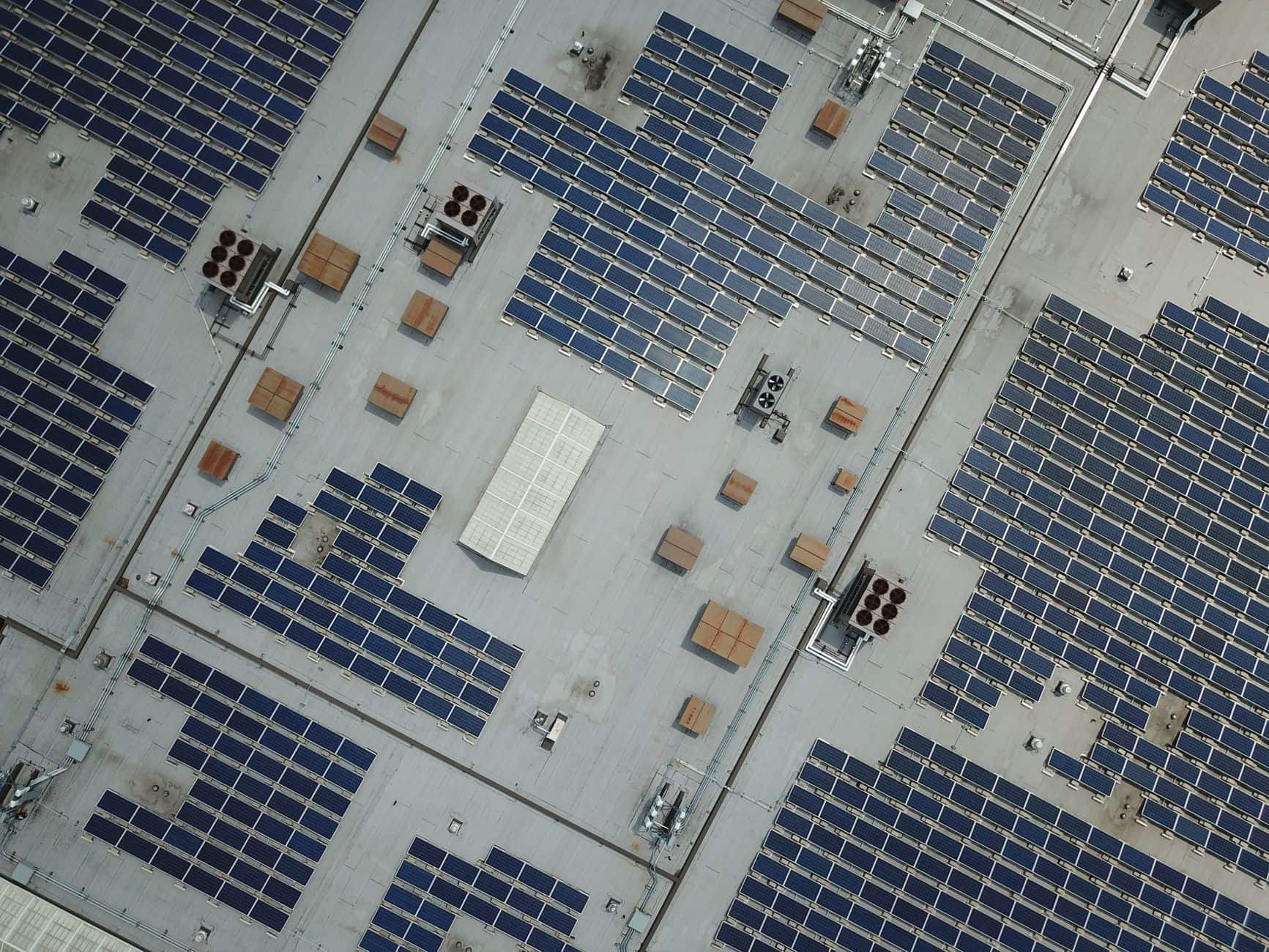
Israel’s Food Giant Goes 100% Green Power
Osem Nestlé has become the first Israeli food‑industry company to run entirely on renewable electricity, showcasing how solar power and green contracts can cut costs and emissions.
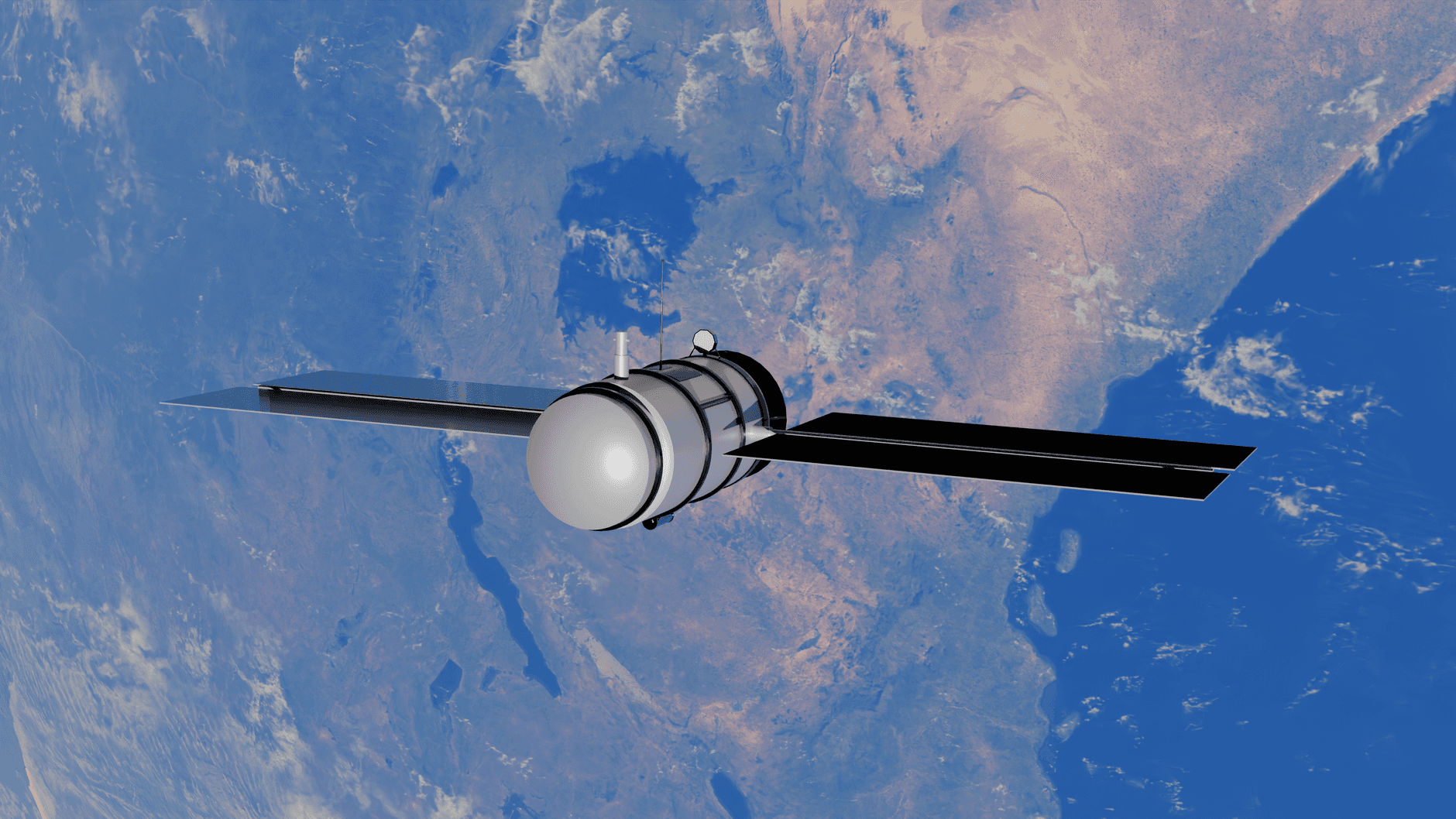
Silicon Solar Panels Slash Space Power Costs
Source Energy’s silicon solar modules can be built for under $5 per watt, slashing space‑power costs and opening new opportunities for Israeli satellite firms.
Array Tech Triples US Tracker Capacity
Array Technologies opened a $50 million Albuquerque factory that triples its U.S. solar‑tracker capacity, creates 300 jobs and could help lower tracker prices for Israeli rooftop installations.
Inclusion Fuels Solar Growth in Europe
Hanna König says inclusive, safe‑to‑disagree workplaces are essential to close the solar sector’s talent gap and accelerate the energy transition.
Super El Niño Slashes South Solar, Boosts North
Super El Niño 2026 created a pronounced north‑south solar split in South America, with sunnier conditions in the north and reduced irradiance in the south, while rare Atacama snowstorms threatened desert PV output.