Markets
Australia Sets Record, Curtailment Down 40%
Record Solar Generation in August 2026
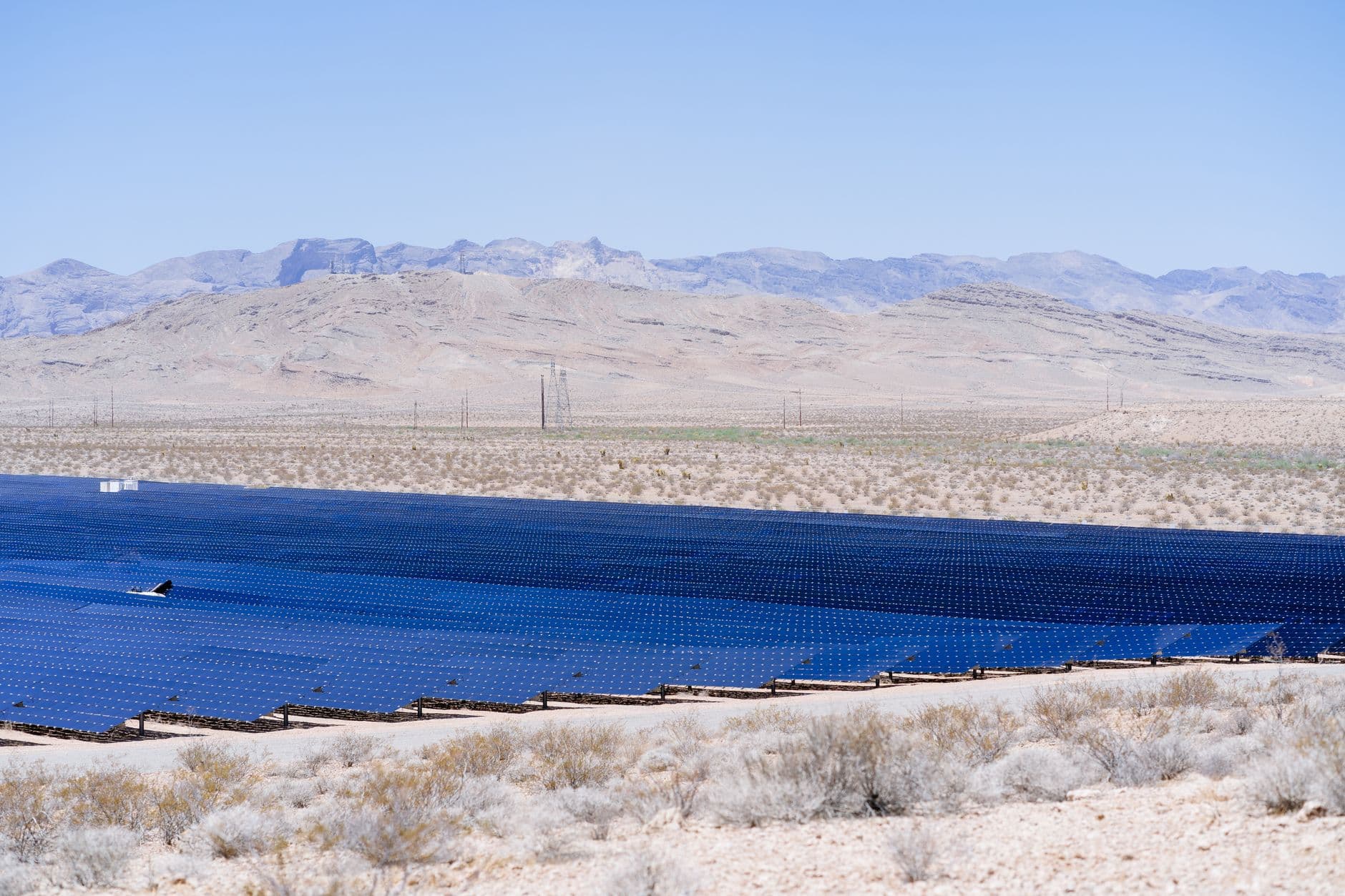
Australia’s utility‑scale solar output hit unprecedented levels in August 2026, with New South Wales delivering 684 GWh, Queensland 665 GWh, and Victoria 213 GWh of clean electricity – a combined 1.56 TWh of solar alone(https://www.pv-magazine.com). This pushed total utility solar‑plus‑wind generation to 4.99 TWh, up 3 % year‑on‑year(https://www.rystadenergy.com). The surge shows that large‑scale solar is now a cornerstone of the National Electricity Market (NEM).
Curtailment Slashed by About 40 %
Curtailment of utility PV fell from 284 GWh in August 2025 to 168 GWh in August 2026 – a drop of 116 GWh, or roughly 41 %(https://www.pv-magazine.com). In percentage terms, curtailment went from about 18 % of renewable generation to just 9 % of available solar output. The improvement reflects better grid integration, more flexible storage, and higher capacity factors in key projects.
Top‑Performing Solar Assets and Capacity Factors
Queensland hosted the best‑performing solar farms in August 2026. The three leading assets – the 100 MW first stage of Pacific Blue Australia’s Haughton Solar Farm, the 204 MW Edenvale Solar Park (co‑owned by Eneos and Sojitz), and Genex Power’s 50 MW Kidston project – all posted an average AC capacity factor of 28 % for the month(https://www.pv-magazine.com). A capacity factor near 30 % is high for solar, indicating strong solar irradiance and efficient plant operation.
New Projects Reaching Financial Close
August 2026 also marked a wave of financial closings worth more than 1 GW of combined solar and storage capacity. Highlights include:
- Edify Energy – Ganymirra and Majors Creek projects, together delivering 300 MW of solar and 300 MW/1,200 MWh of battery storage.
- BW ESS – a 250 MW/1,000 MWh battery energy storage system (BESS) at Yanco, NSW.
- Quinbrook – the 260 MW/1,216 MWh Supernode Stage 3 BESS in Queensland. These assets will further smooth supply, reduce future curtailment, and provide ancillary services to the grid(https://www.pv-magazine.com).
What It Means for Israel
For Israeli readers, the Australian curtailment cut illustrates the economic upside of pairing solar with storage. Using Israel’s typical residential tariff of ₪0.48 /kWh and a standard 10 kWp rooftop system that yields ≈17,000 kWh / year (central region), the 168 GWh of avoided curtailment in Australia is equivalent to the annual output of roughly 9,900 Israeli homes (168,000,000 kWh ÷ 17,000 kWh). At Israel’s residential rate, that energy would be worth about ₪80 million per year – a scale that underscores how storage can turn “lost” solar into bill‑saving power. Israeli homeowners can see similar benefits by installing batteries; a typical 10 kWp system costs ≈₪31,500 and pays back in under 4 years under current tariffs.
Outlook: More Solar, Less Waste
Continued deployment of hybrid solar‑storage projects and improvements in grid forecasting are expected to further reduce curtailment in the NEM. Reducing curtailment would make more solar energy available for consumption, offering benefits similar to those Israel could achieve by expanding rooftop storage. The trend indicates a shift toward utility‑scale solar as a reliable, high‑capacity‑factor resource that, when paired with batteries, can deliver clean power with minimal waste.
Sources: PV Magazine, Rystad Energy, Australian Energy Market Operator, Verified Israeli Solar Facts.
FAQ
How much solar energy did Australia generate in August 2026?
Utility‑scale solar produced about **1.56 TWh** (684 GWh in NSW, 665 GWh in Queensland, 213 GWh in Victoria).
What was the curtailment reduction compared to August 2025?
Curtailment fell from **284 GWh** to **168 GWh**, a drop of roughly **41 %**.
Which solar farms had the highest capacity factor?
Queensland’s Haughton (100 MW), Edenvale (204 MW) and Kidston (50 MW) each recorded an average **28 %** AC capacity factor.
What new storage projects reached financial close in August?
Edify Energy’s 300 MW solar + 300 MW/1,200 MWh battery, BW ESS’s 250 MW/1,000 MWh Yanco BESS, and Quinbrook’s 260 MW/1,216 MWh Supernode Stage 3 BESS.
How does Australia’s curtailment cut translate to Israel?
The 168 GWh of avoided curtailment equals the yearly output of about **9,900 typical Israeli homes**, worth roughly **₪80 million** at the residential tariff.
What is the typical payback time for a 10 kWp rooftop system in Israel?
With a cost of **≈₪31,500** and annual revenue of **≈₪8,160**, the simple payback is about **3.9 years**.
Share this post
More from Markets
6
South Korea to Add 3.5 GW Solar in 2026
South Korea will install about 3.5 GW of new solar capacity in 2026, surpassing the 3.1 GW added in 2025, as part of a broader push that includes community‑solar villages and line‑side storage.

US Tariffs Push Solar Module Prices Up
U.S. Section 232 tariffs are expected to modestly raise solar module prices, adding a small extra cost to Israeli rooftop systems and slightly extending payback times.

Tongwei Clears Antitrust Hurdle for Lihao Deal
Tongwei has received antitrust clearance to acquire Qinghai Lihao, a fast‑growing polysilicon producer, paving the way for expanded low‑carbon silicon capacity that could help lower solar‑module prices worldwide.
US Solar Adds 19.2 GW in H1 2026
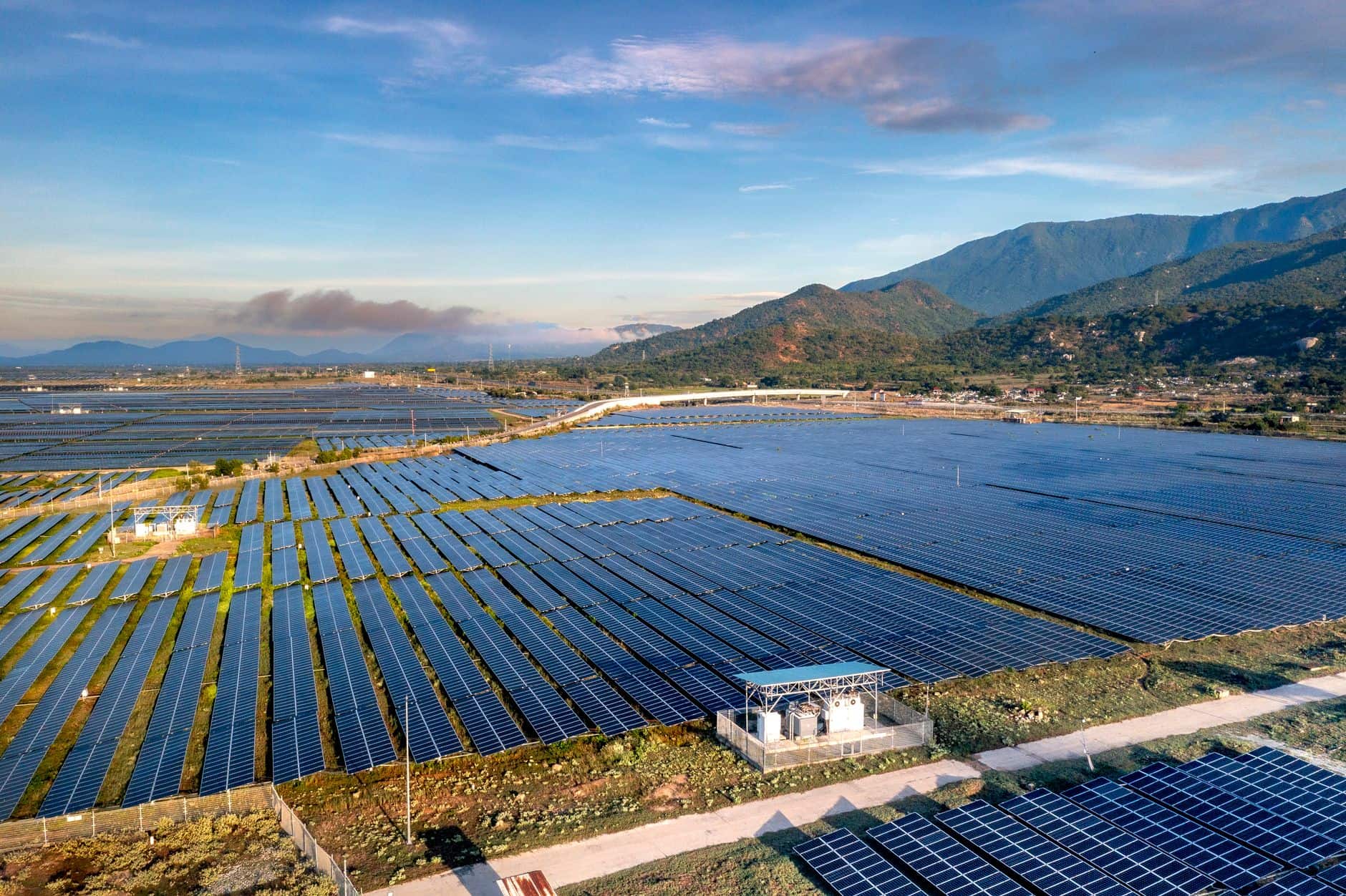
The United States installed 19.2 GW of solar PV in the first half of 2026, driven mainly by a 61 % surge in utility‑scale projects, while residential solar slipped and permitting bottlenecks loom.
Chile’s Solar Curtailment Hits Record, Storage Ramps Up
Chile curtailed a record 2,680 GWh of solar and wind power in the first seven months of 2026, while battery storage capacity surged to over 2.6 GW, highlighting a growing flexibility gap.

Hormuz Crisis Sends Oil Prices 20% Higher
The Hormuz crisis has cut about 9 million barrels per day of oil, pushing Brent up 20 % and gas prices 40‑60 % higher, while making rooftop solar in Israel financially more attractive than ever.