Policy
Latvia Boosts Home Solar Grants to 85%
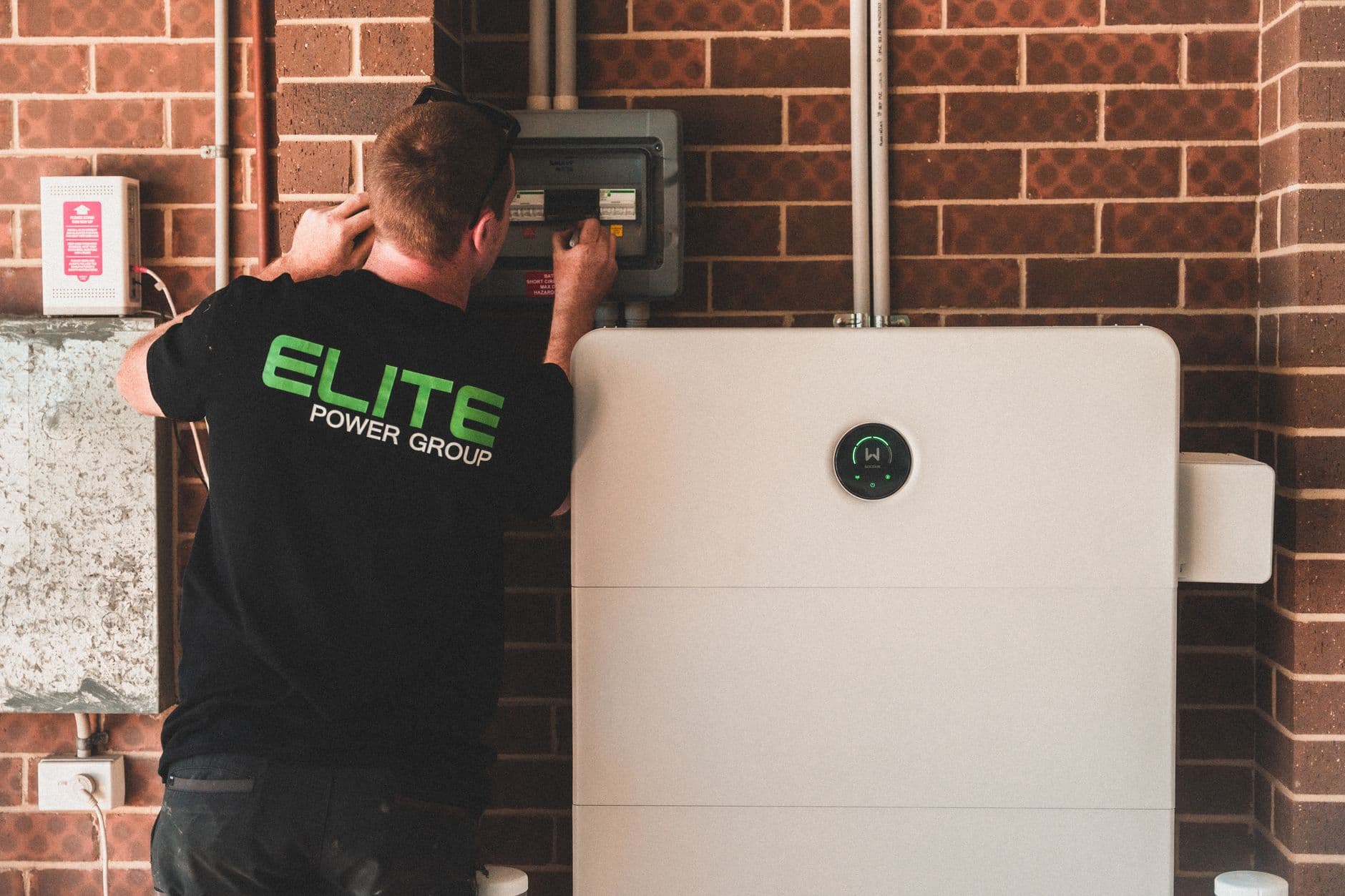
Latvia now funds up to 85% of home solar costs
Latvia’s Ministry of Climate and Energy has raised the grant for eligible households to cover up to 85 % of eligible costs for rooftop solar, up from the previous 70 % ceiling. The increase applies to families holding the Goda ģimene card – a state‑backed benefit for large families or those caring for a disabled child – and allows a maximum subsidy of €15,000 per project.
The programme, part of an €85 million household renewable‑energy support budget, still has roughly €20 million left for new applicants. By May 2026 the scheme had already backed 15,700 projects, awarding €59.75 million in total, with more than 14,000 solar‑PV applications and 2,000 battery‑storage requests.
Battery storage eligibility raised to 10 kWh
The government also lifted the minimum eligible battery size from 5 kWh to 10 kWh, aiming to let households store a larger share of their own solar generation for use during evenings or cloudy periods. This change aligns the Latvian offer with the broader Baltic push for combined solar‑plus‑storage solutions.
2026 becomes Latvia’s record solar year
According to the Latvian Renewable Energy Alliance, solar capacity reached 1,521 MW by August 2026. Of that, 601 MW were added in 2026 alone, pushing the cumulative total past the 920 MW installed by the end of 2025. The pace makes 2026 the most successful year for Latvian solar, eclipsing the previous record of 319 MW installed in 2024.
How Latvia’s scheme fits the Baltic cost outlook
A recent Baltic‑wide study projected the levelised cost of electricity (LCOE) for PV to fall to €0.08‑0.09 /kWh by 2050 at a 6 % discount rate. Such low projected generation costs enhance the financial appeal of the Latvian grant, making residential solar installations increasingly economical.
What it means for Israel
For Israeli homeowners, the numbers look different but the principle is the same: a 10 kWp rooftop system in central Israel yields about 17,000 kWh per year, worth ≈₪8,160 at the typical residential tariff of ₪0.48/kWh. With a turnkey cost of ≈₪31,500 (₪3,150 /kWp), the simple payback is ≈3.9 years.
If a similarly high‑percentage grant were introduced in Israel, the out‑of‑pocket expense would be dramatically reduced and the payback period would be considerably shorter. While such a subsidy does not yet exist, Latvia’s model shows how a targeted grant can accelerate household adoption, reduce grid imports, and push national renewable targets forward. Israeli readers can explore their own ROI with our solar ROI calculator and compare market data on our data page.
Sources
- Original announcement – PV Magazine Global
- Baltic LCOE forecast – PV Magazine International
- EU Social Climate Plan – European Commission press release
Sources & further reading
FAQ
How much subsidy can a Latvian household get for a solar installation?
Households with a Goda ģimene card can receive a grant covering up to 85 % of eligible costs, capped at €15,000 per project.
What is the new minimum battery size for the Latvian rebate?
The scheme now requires a minimum nominal capacity of 10 kWh, double the previous 5 kWh threshold.
How much solar capacity has Latvia installed so far?
Latvia’s total solar capacity reached 1,521 MW by August 2026, with 601 MW added in that year alone.
How does Latvia’s grant affect the payback time for a typical system?
With an estimated 10 kW system costing €12,000, the 85 % grant leaves the owner to pay about €1,800, resulting in a payback of under two years at the projected €0.08‑0.09/kWh LCOE.
Could a similar grant work in Israel?
If Israel offered an 85 % grant on a typical 10 kWp home system (cost ≈₪31,500), the homeowner would pay only ≈₪4,725, cutting the payback from ~4 years to less than one.
Share this post
More from Policy
6
Lebanon Fast‑Tracks Solar Up to 1.5 MW
Lebanon’s new interim rules let PV systems up to 1.5 MW bypass the Energy Ministry, shifting permitting and safety oversight to municipalities and engineers, a move that could speed up solar deployment across the country.
Plug‑in Solar Legal in 10 US States
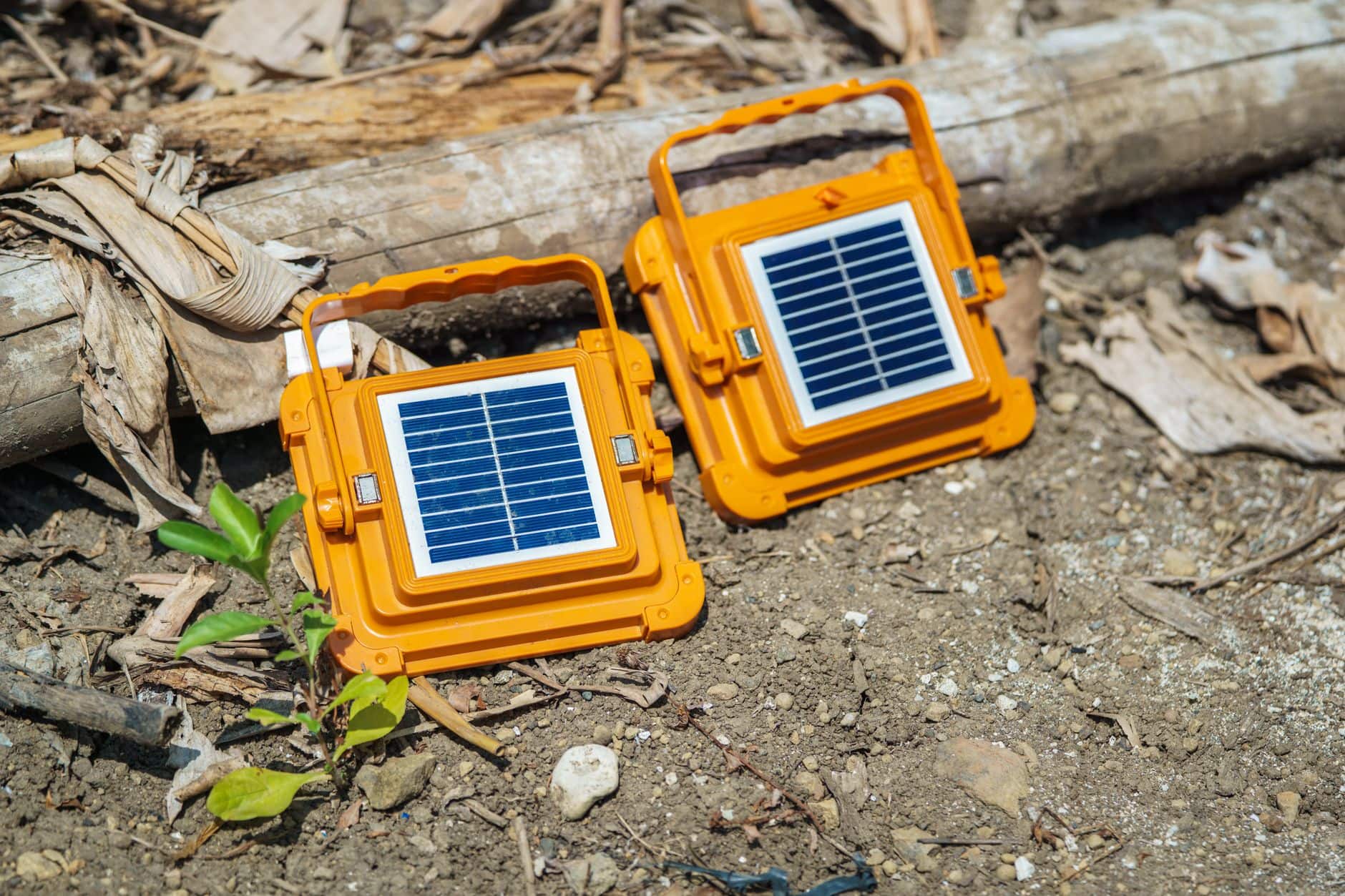
A wave of U.S. state legislation now permits plug‑in solar on balconies and patios, offering renters an affordable, portable power solution, while Israel’s typical 1 kW system can deliver notable savings and a payback period of about four years.
Romania Allocates €650M for Solar‑Storage
Romania will allocate €650 million to fully fund solar‑plus‑storage projects on public buildings, with up to €10 million per beneficiary and a deadline of 2029.

South Korea Sets Solar Committee Boost Industry
South Korea has formed a Solar Industry Competitiveness Committee to rebuild its domestic solar supply chain and target 56.2 GW of new capacity by 2030, with a focus on ≥35 % efficient tandem cells.
US Renewable Projects Face Record Opposition
The U.S. recorded a record 888 renewable‑energy restrictions in 2025, but new rules slowed to 70, while cancellations surged to 9.8 GW – the biggest single‑year loss on record.
France Calls for Thin‑Film Solar Recycling
France’s Soren has opened a call for thin‑film solar recyclers, prioritizing a 1,300‑tonne CdTe batch, with projected waste rising to 15,000 t by 2037.