Markets
Canada’s Solar Boom: Provinces Race Ahead
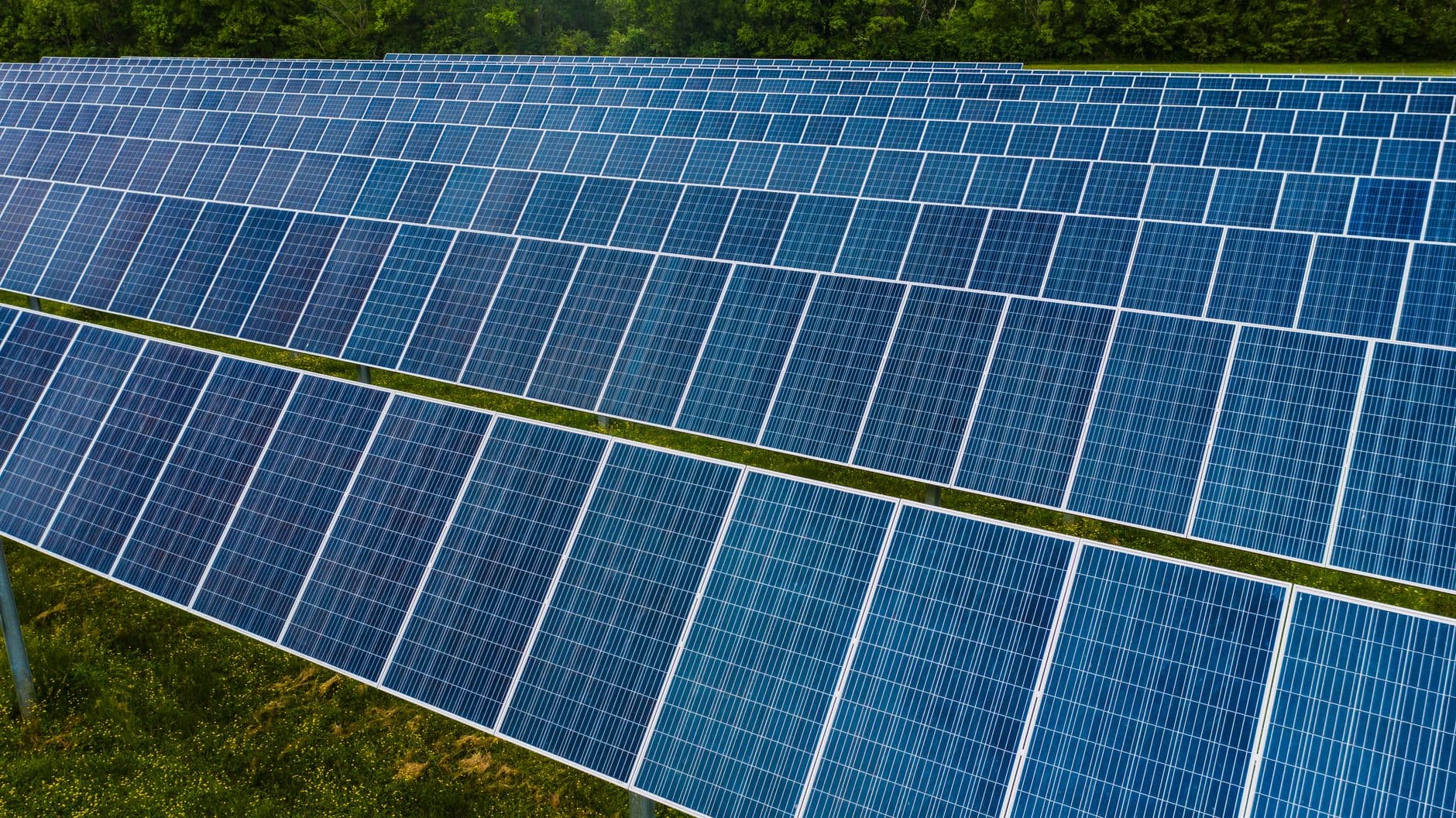
Canada’s Solar Momentum Soars – Solar installations are accelerating across the country, driven by strong provincial incentives and large‑scale procurements.
Canada’s solar sector is picking up speed despite a fragmented grid that consists of many separate provincial and territorial markets, according to industry observers. Stakeholders report a positive year with growing interest in storage‑paired systems, even as the United States imposes tariffs on Canadian exports that add uncertainty to the outlook.
Quebec Leads with Significant Rebates – Quebec’s new incentive program shortens the payback period and targets substantial solar capacity.
In April, Quebec introduced a cash‑rebate program that provides a sizable per‑kilowatt incentive for residential and small‑business installations, covering a large share of eligible costs. The program’s own calculations claim the rebate shortens the typical long payback period to a much shorter horizon. This push is part of a broader provincial plan to integrate a large amount of solar capacity by the mid‑2030s, and industry reports a surge of inquiries from local installers since the launch.
Ontario’s Large Procurement Fuels Growth – Ontario awarded multiple projects totalling a considerable capacity, with long‑term contracts and a near‑future commercial‑operation target, including agrivoltaics.
Ontario’s recent long‑term energy procurement exercise granted several solar projects with a combined substantial capacity. The awarded contracts run for many years and are slated to start commercial operation within the next decade. Several of the projects are agrivoltaic farms, where solar panels share land with agriculture, allowing solar to compete directly with natural‑gas generation on cost grounds.
Policy Shifts in BC and New Brunswick – Both provinces are moving from net‑metering to net‑billing with a fixed export rate below retail rates.
British Columbia has replaced its net‑metering scheme with a fixed export price that sits below the retail electricity price. New Brunswick is proposing a similar shift to below‑retail compensation for surplus solar generation. Industry observers explain the rationale: “Solar isn’t as valuable as we’ve been making it out to be and solar customers are getting a free ride,” noting strong pushback from rooftop owners.
US Tariff Shock Ripple Effects – New US tariffs on Canadian goods create uncertainty, prompting federal commitments to expand grid capacity for renewables.
After the United States announced new tariffs on Canadian imports, industry observers said the policy shock is reverberating through the entire sector. Government officials responded by reiterating budget pledges to expand the electricity grid’s sustainable‑energy capacity, framing it as a “build Canada strong” narrative that could unlock cross‑country transmission lines and better balance the grid.
Emerging Plug‑in Solar Standards – Canada‑US safety framework is under debate, promising future “plug‑in” rooftop systems.
The Canadian Standards Association is currently debating a bi‑national safety standard that would cover interactive plug‑in solar systems. While the standards process is expected to move slowly, community groups are already showing interest, seeing these systems as a path to “energy freedom.” Provincial safety authorities have signaled willingness to back compliant products, though none are on the market yet.
What It Means for Israel – Quebec’s longer payback horizon compares with a typical Israeli rooftop that pays back in a few years.
Using Israel’s typical residential feed‑in tariff of ₪0.48 /kWh and an average installation cost of ₪3,150 /kWp, a 10 kWp home system would generate roughly 17,000 kWh per year (central‑Israel yield of 1,700 kWh/kWp). That electricity is worth about ₪8,160 annually, while the upfront cost is around ₪31,500, giving a simple payback of about 4 years – well below Quebec’s longer horizon. The Israeli example shows how strong incentives can dramatically accelerate ROI, a lesson for policymakers elsewhere. For readers wanting a deeper dive, our solar ROI calculator and market data provide interactive tools.
Sources: pv magazine, Canadian Renewable Energy Association, Hydro‑Québec
FAQ
What incentive does Quebec offer for new solar installations?
Quebec provides a cash rebate of CAN 1,000 per kilowatt, covering up to 40 % of eligible costs and cutting the payback period to about 10‑12 years.
How much solar capacity did Ontario award in its latest procurement?
Ontario granted 12 solar projects totaling 915 MW, with 20‑year power purchase agreements and a commercial‑operation target of May 2030.
What change is happening to net‑metering in British Columbia?
BC replaced net‑metering with a fixed export rate of CAN 0.10 /kWh, which is below the retail electricity price.
How do US tariffs affect Canada’s solar industry?
The 50 % US tariffs on Canadian goods create market uncertainty, prompting the federal government to double its renewable‑grid commitments to mitigate the impact.
What is the UL 3700 standard?
UL 3700 is a bi‑national safety framework under discussion that would certify plug‑in rooftop solar systems for the Canada‑US market.
How fast can an Israeli homeowner recoup a 10 kWp solar system?
At a typical residential tariff of ₪0.48/kWh and installation cost of ₪3,150/kWp, the system pays back in roughly 3.9 years.
Share this post
More from Markets
6
South Korea to Add 3.5 GW Solar in 2026
South Korea will install about 3.5 GW of new solar capacity in 2026, surpassing the 3.1 GW added in 2025, as part of a broader push that includes community‑solar villages and line‑side storage.
US Tariffs Push Solar Module Prices Up
U.S. Section 232 tariffs are expected to modestly raise solar module prices, adding a small extra cost to Israeli rooftop systems and slightly extending payback times.

Tongwei Clears Antitrust Hurdle for Lihao Deal
Tongwei has received antitrust clearance to acquire Qinghai Lihao, a fast‑growing polysilicon producer, paving the way for expanded low‑carbon silicon capacity that could help lower solar‑module prices worldwide.
US Solar Adds 19.2 GW in H1 2026
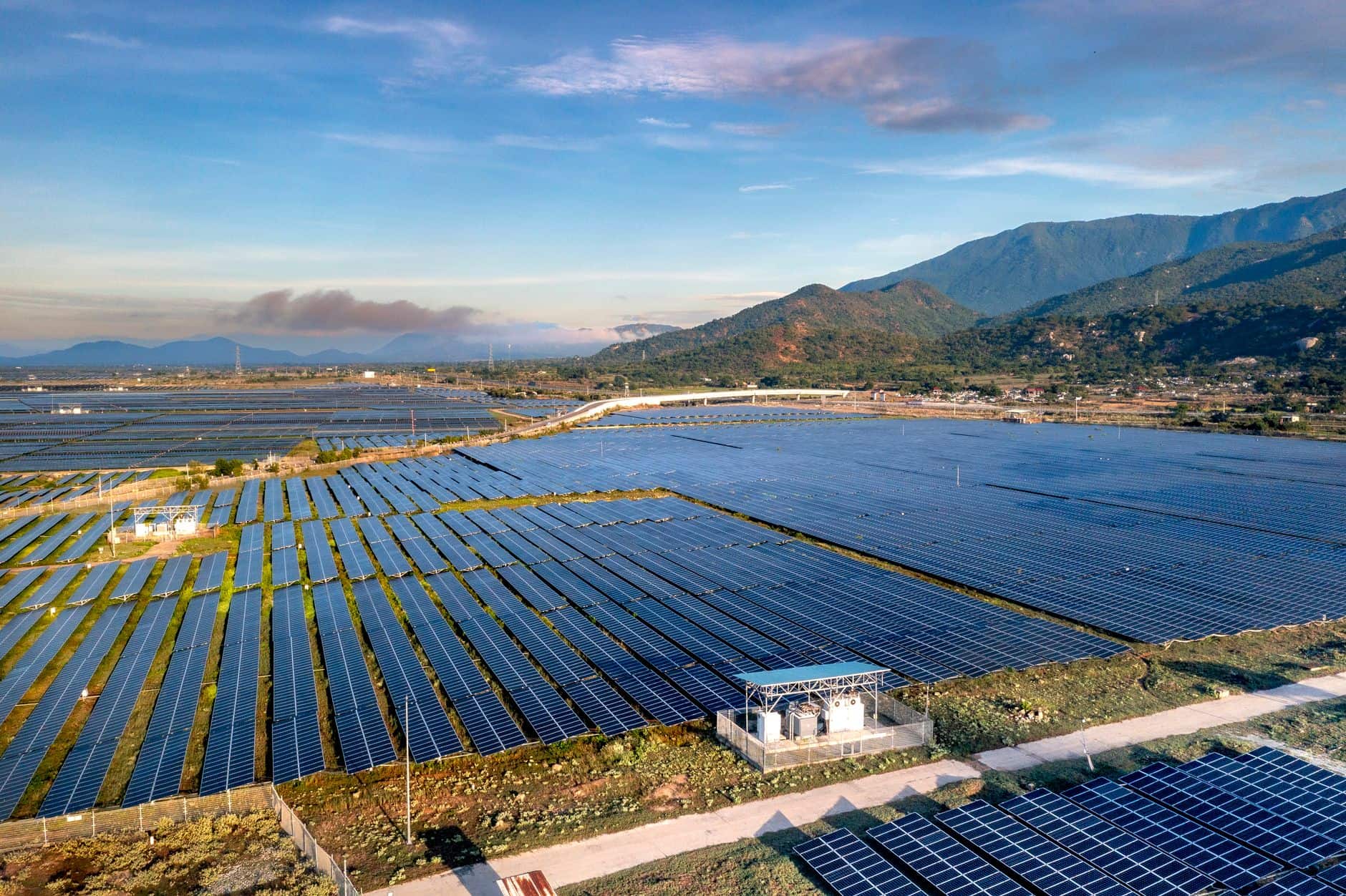
The United States installed 19.2 GW of solar PV in the first half of 2026, driven mainly by a 61 % surge in utility‑scale projects, while residential solar slipped and permitting bottlenecks loom.
Chile’s Solar Curtailment Hits Record, Storage Ramps Up
Chile curtailed a record 2,680 GWh of solar and wind power in the first seven months of 2026, while battery storage capacity surged to over 2.6 GW, highlighting a growing flexibility gap.

Hormuz Crisis Sends Oil Prices 20% Higher
The Hormuz crisis has cut about 9 million barrels per day of oil, pushing Brent up 20 % and gas prices 40‑60 % higher, while making rooftop solar in Israel financially more attractive than ever.