PPolicy
Ireland’s Data Centers Must Go 80% Solar
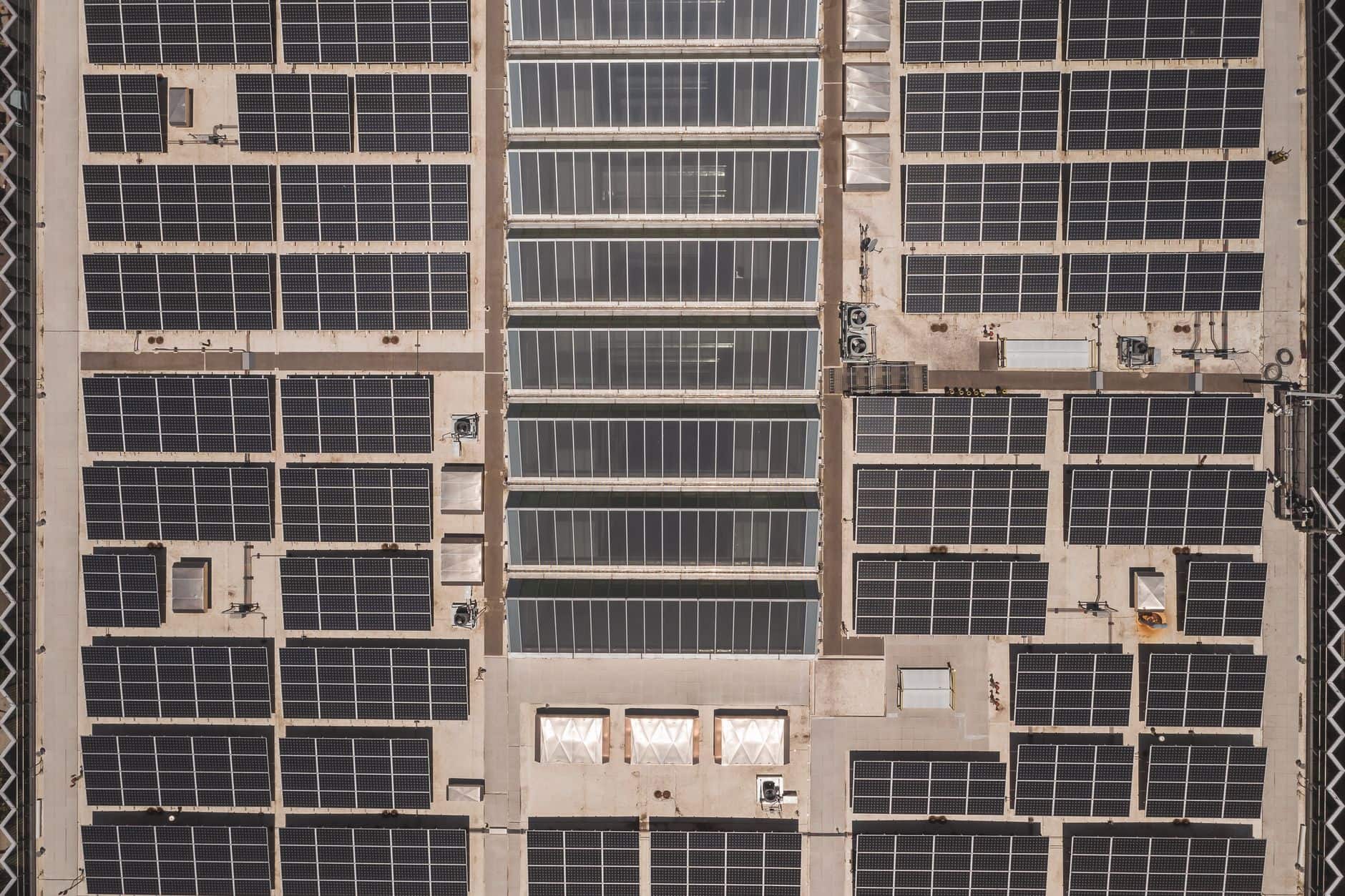
Ireland’s LEAP forces data centres over 10 MW to generate at least 80 % of their power on‑site, backed by a €18.9 billion grid upgrade and a projected 3.3 GW of solar capacity by 2026.
3 min read
Israel’s solar‑energy policy is rapidly evolving to meet ambitious renewable‑energy targets while keeping electricity affordable for consumers. A mix of feed‑in tariffs, net‑metering rules, and incentives for rooftop solar and battery storage drives the country toward its goal of 30% renewable electricity by 2030.
Ireland’s LEAP forces data centres over 10 MW to generate at least 80 % of their power on‑site, backed by a €18.9 billion grid upgrade and a projected 3.3 GW of solar capacity by 2026.
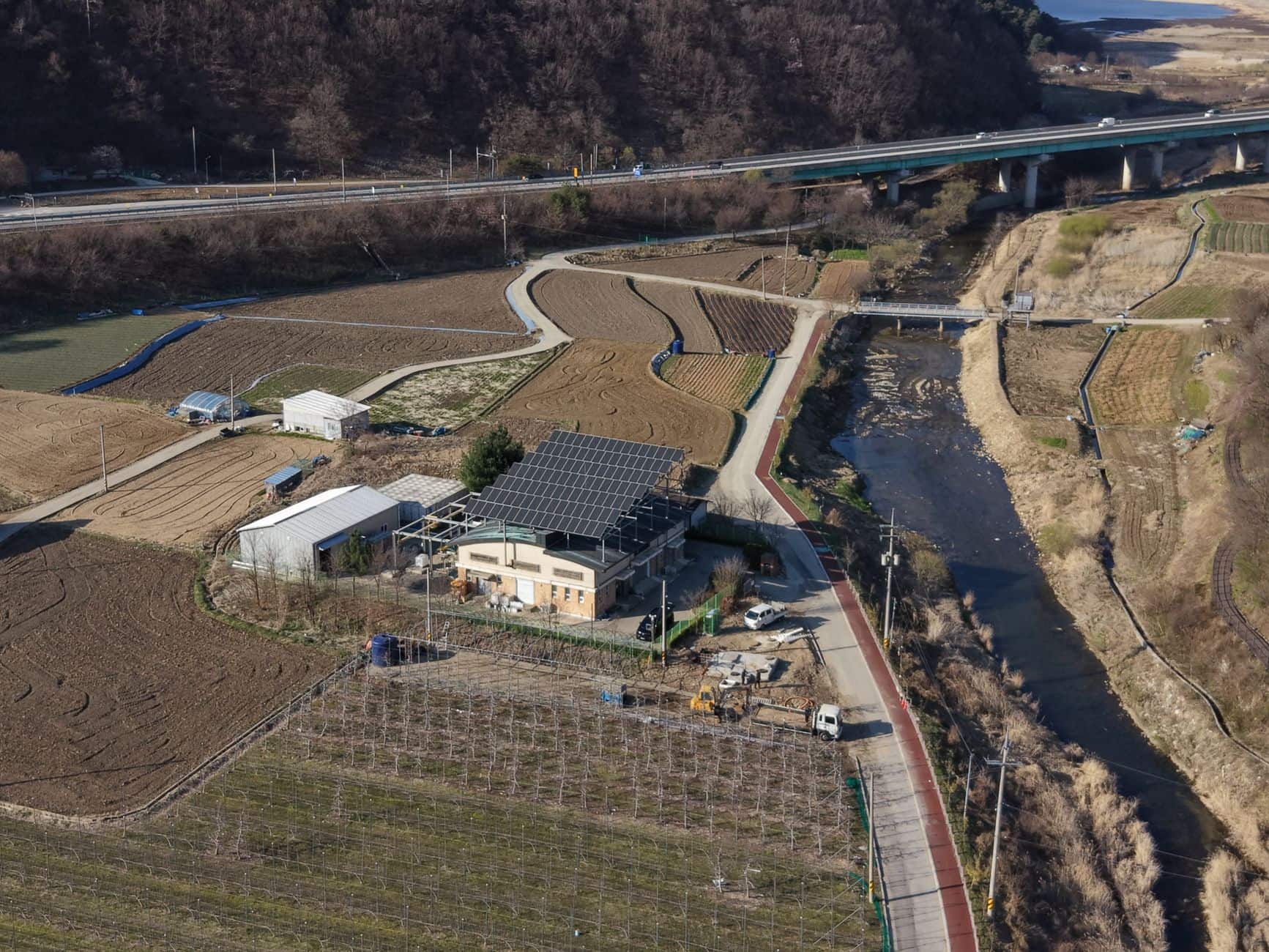
South Korea will double its 2027 budget for factory rooftop solar and agrivoltaics to KRW 1.8 trillion (about $1.3 billion), launching a major push for dual‑use solar on farms and factories.

Switzerland’s agrivoltaic capacity is virtually zero, yet the technology could generate over 100 TWh annually – enough to double the nation’s electricity use – if legal barriers are lifted.
Chinese inverter makers say U.S. restrictions will shrink their American sales, but existing certified units can still be delivered.

South Korea’s electricity demand peaked at 95.3 GW on Aug 7, with solar power covering about one‑quarter of the load and a new storage programme aiming to add 700 MW by 2030.
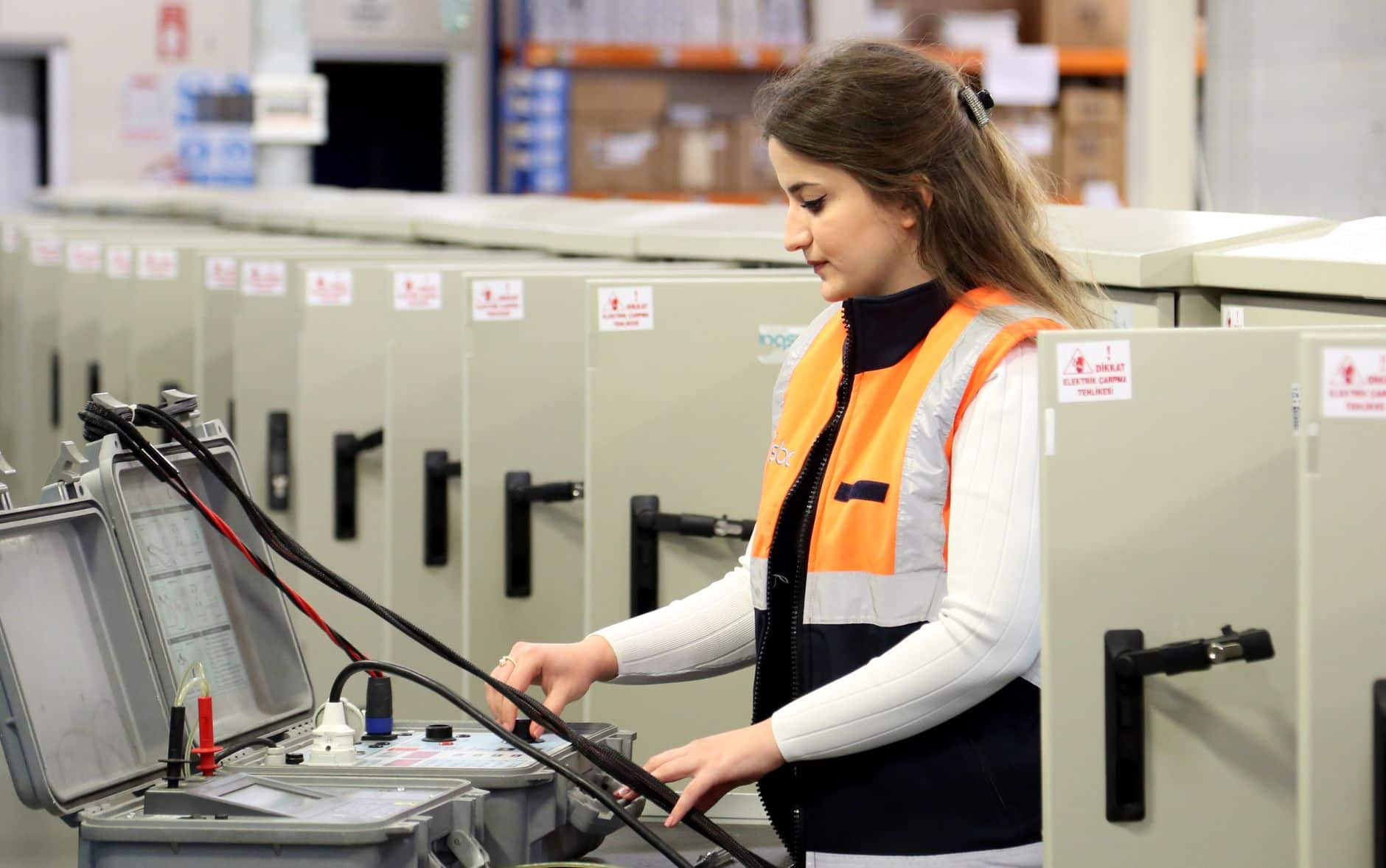
Australia needs 42,000 new energy workers by 2026, and hiring more women could help address the gap, a lesson Israel must heed to meet its solar targets.
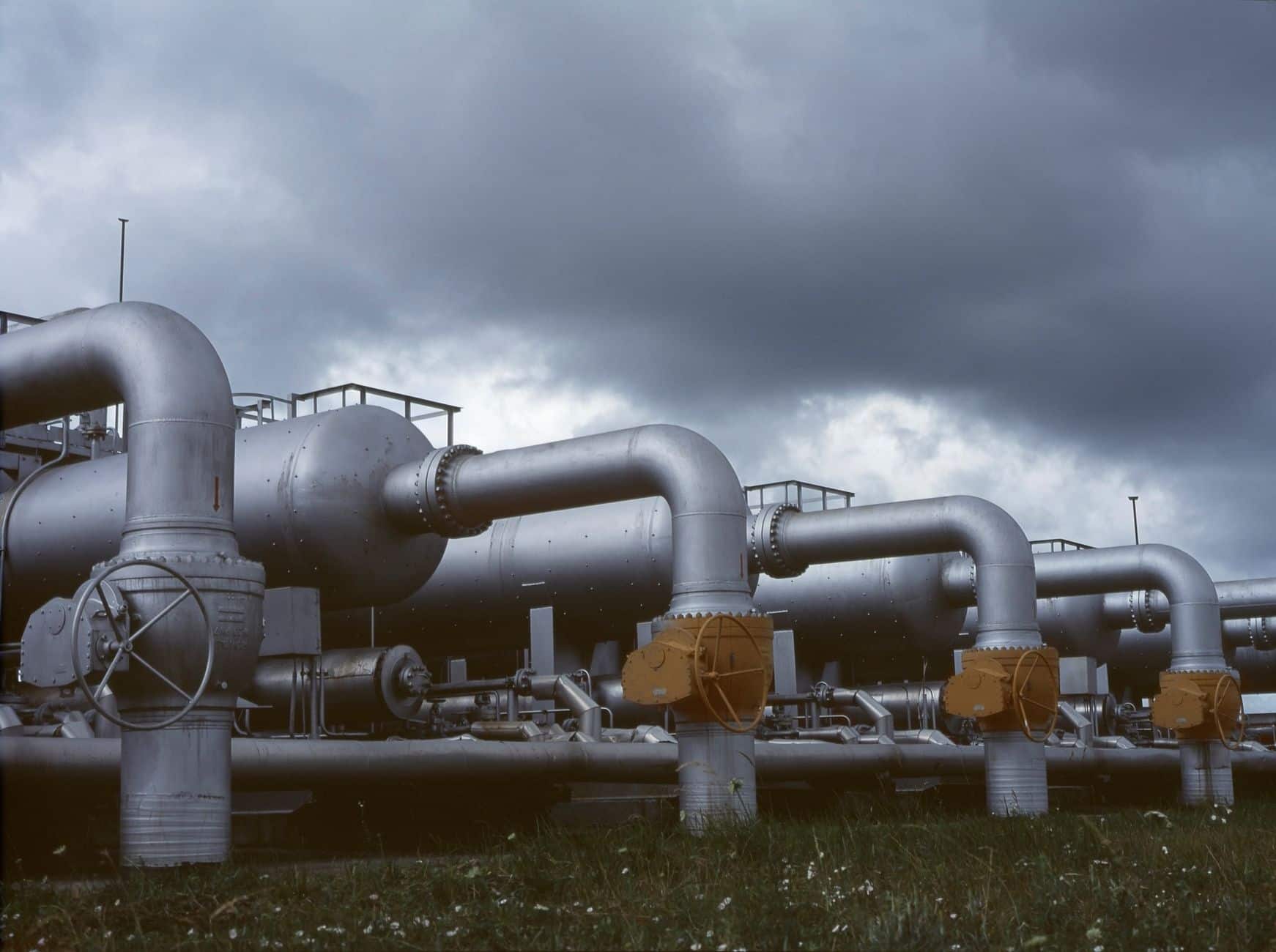
The European Commission has cleared Germany’s new capacity mechanism, unlocking up to €35.2 billion for gas, storage and demand‑response projects that must be climate‑neutral by 2045.

Simplifying Israel’s electricity market regulations could cut rooftop solar prices, shortening payback periods to under four years and accelerating the nation’s renewable‑energy targets.

Japan will stop subsidies for new silicon solar panels from FY 2027 and pour substantial funding into perovskite, targeting 20 GW of perovskite PV by 2040.
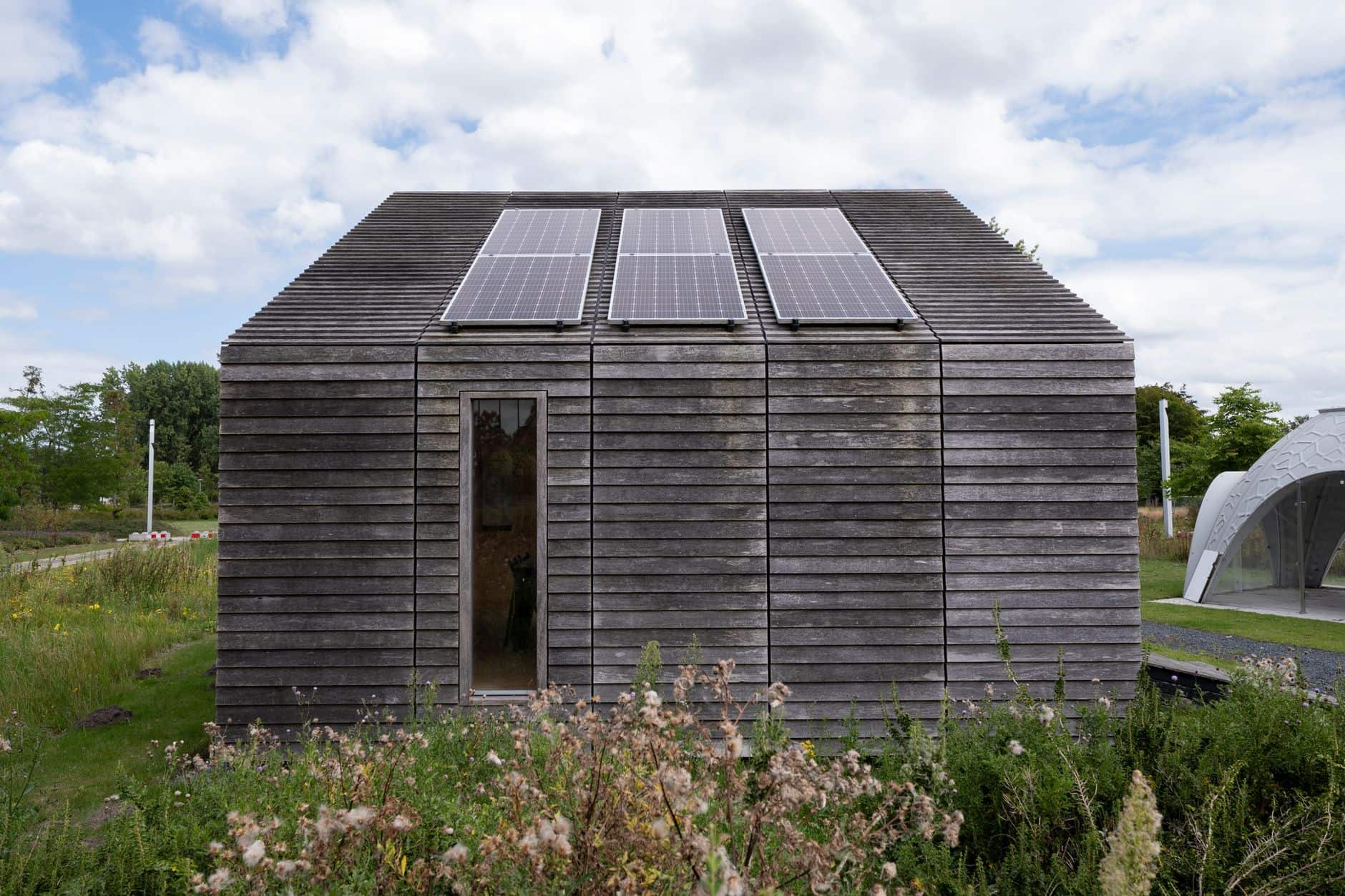
The UK recorded a historic 8,150 heat‑pump grant applications in July 2026, driven by a new £9,000 incentive for heating‑oil homes, while Israel can learn from the subsidy’s impact on payback times for clean energy.
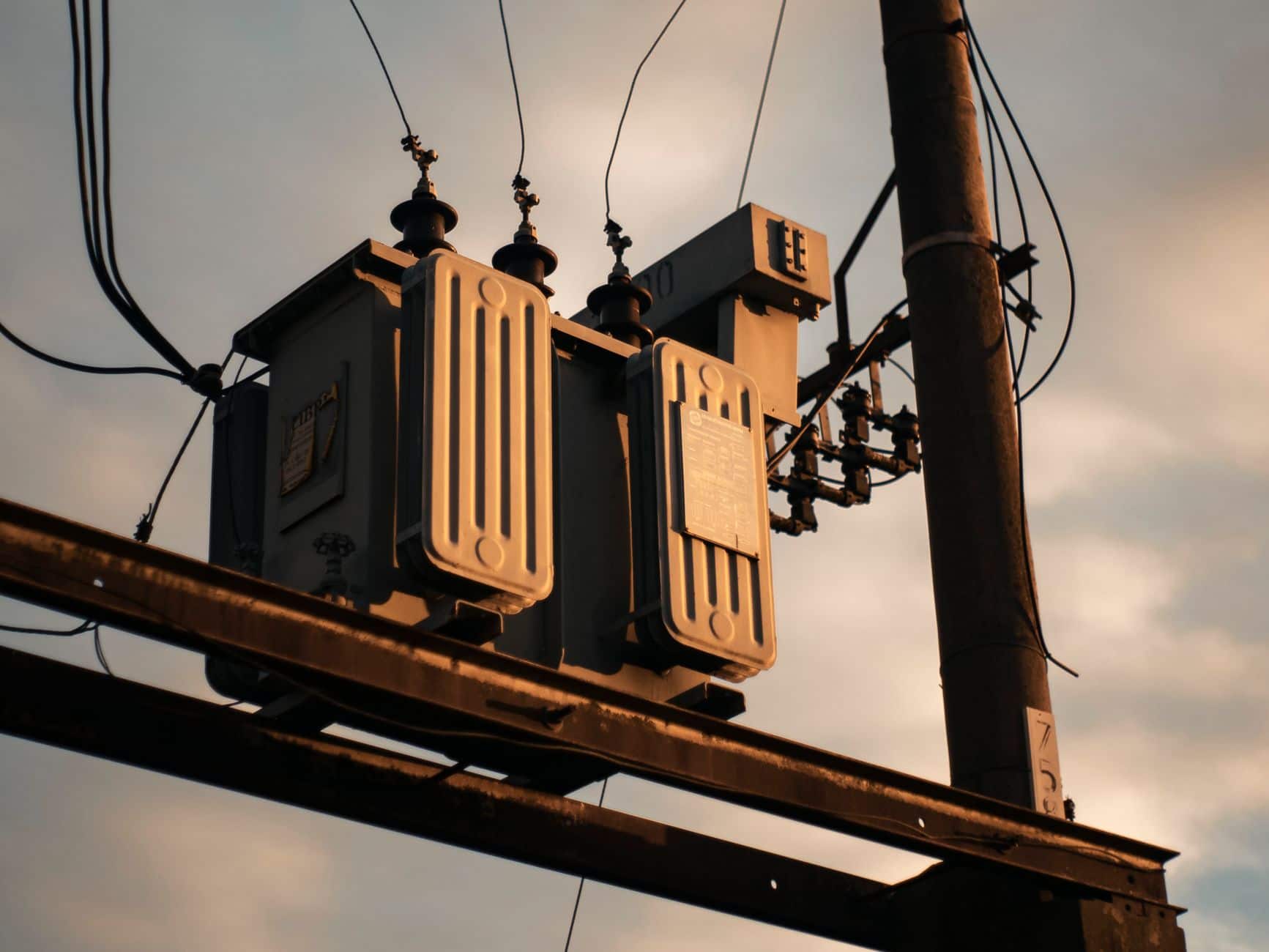
President Trump’s executive order bans foreign‑made transformers, inverters and circuit breakers for the U.S. bulk‑power system after Aug 26 2026, creating supply‑chain challenges for solar developers while Israel’s rooftop systems remain financially viable.

From August the UK allows homeowners to self‑install plug‑in solar kits up to 800 W, delivering a sizable portion of a typical house’s electricity and generating meaningful savings.
Send us a message — a demo, a question about the system, a partnership or anything else. We'll get back to you.