PPolicy
California Approves Plug‑In Solar Bill
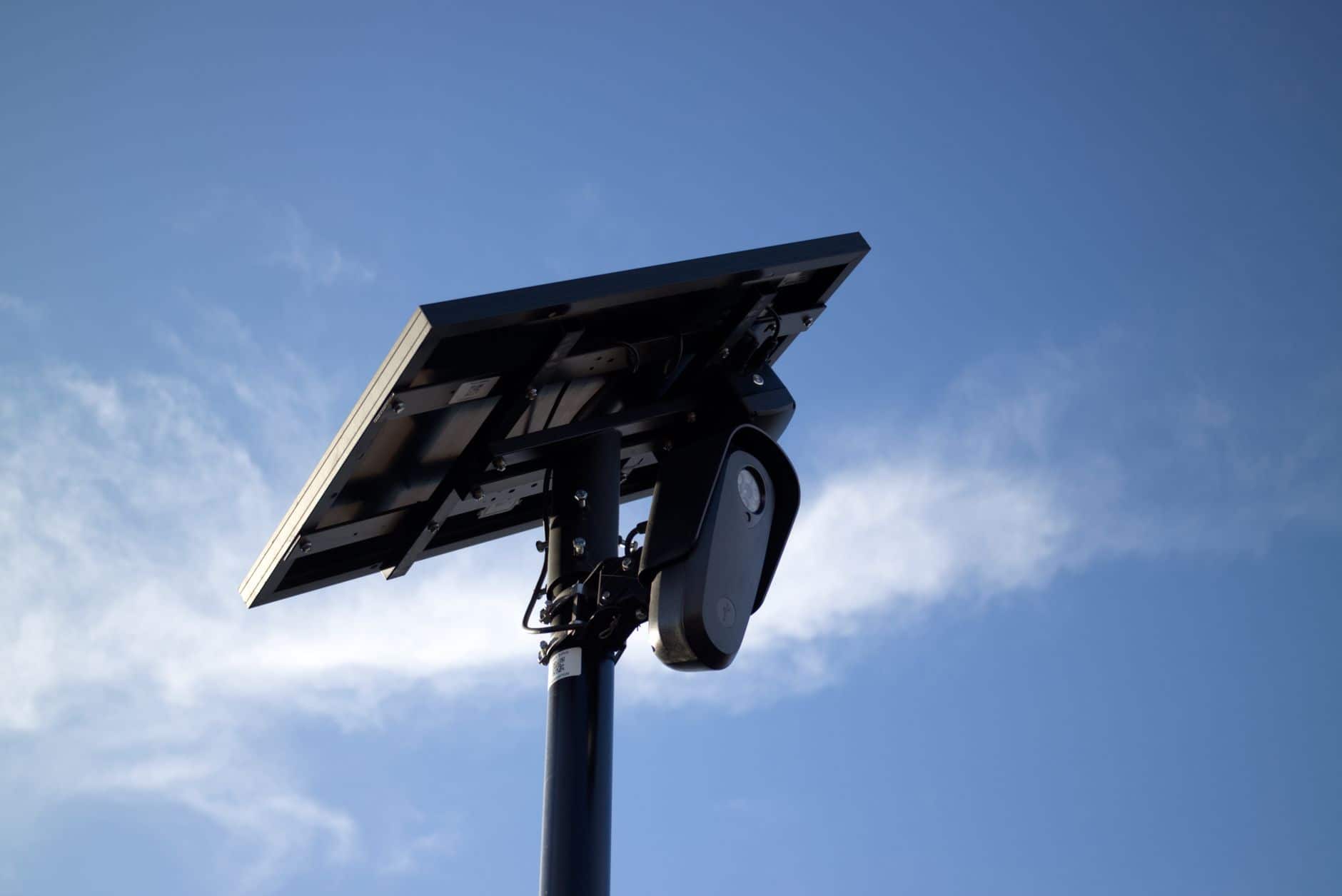
California’s Assembly approved SB 868, the Plug‑and‑Play Solar Act, paving the way for residents to use up‑to‑1,200 W portable solar devices without utility interconnection paperwork.
2 min read
Israel’s solar‑energy policy is rapidly evolving to meet ambitious renewable‑energy targets while keeping electricity affordable for consumers. A mix of feed‑in tariffs, net‑metering rules, and incentives for rooftop solar and battery storage drives the country toward its goal of 30% renewable electricity by 2030.
California’s Assembly approved SB 868, the Plug‑and‑Play Solar Act, paving the way for residents to use up‑to‑1,200 W portable solar devices without utility interconnection paperwork.
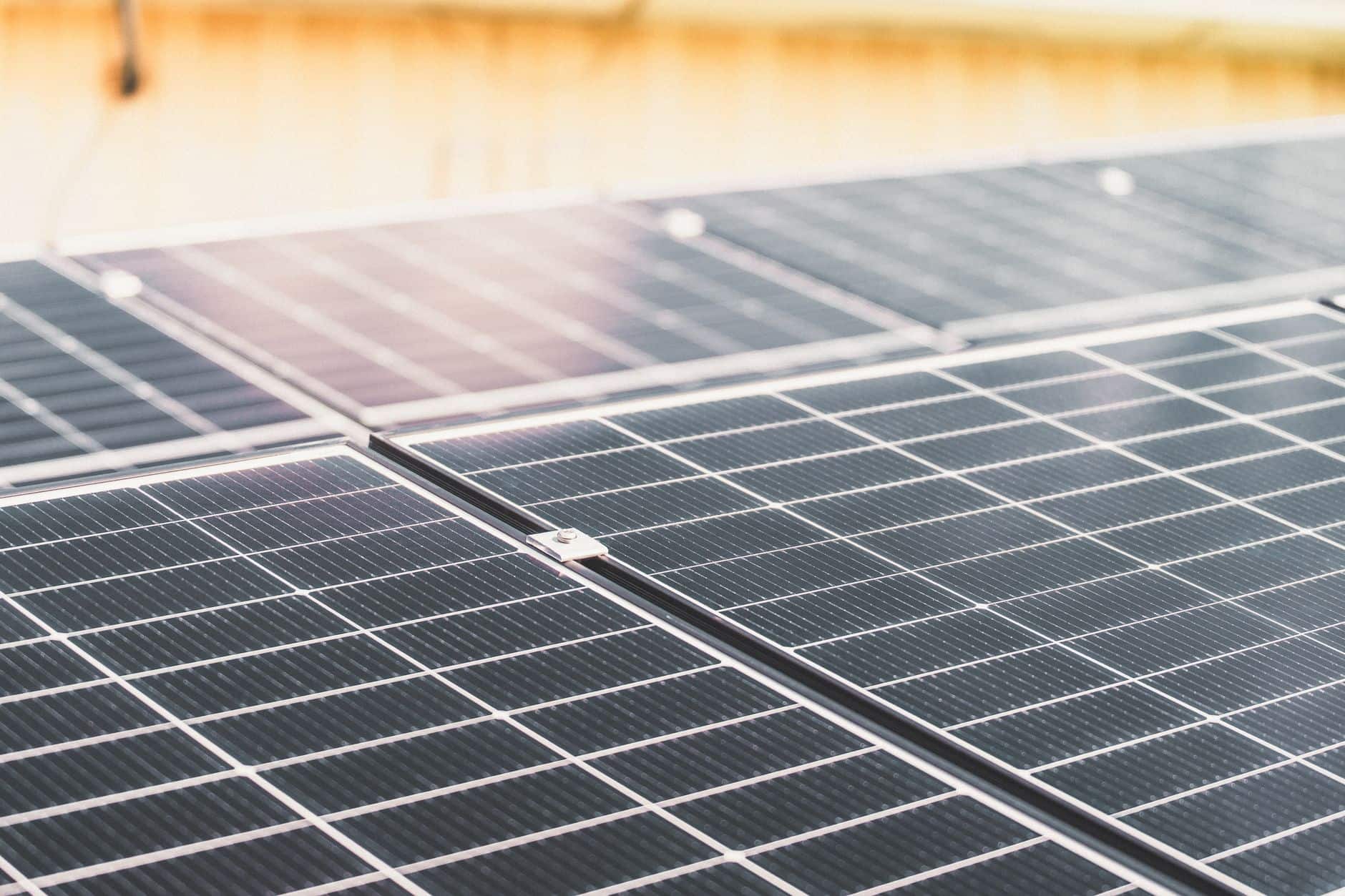
Spain will require data centres of 1 MW or more to source at least 80 % of their electricity from new renewables each hour, with grid access tied to compliance.

Greece has made law a new spatial‑planning framework that caps fresh ground‑mounted solar farms at 1.5 % of land in each of its 74 regions, while exempting already‑permitted projects and rooftop systems.
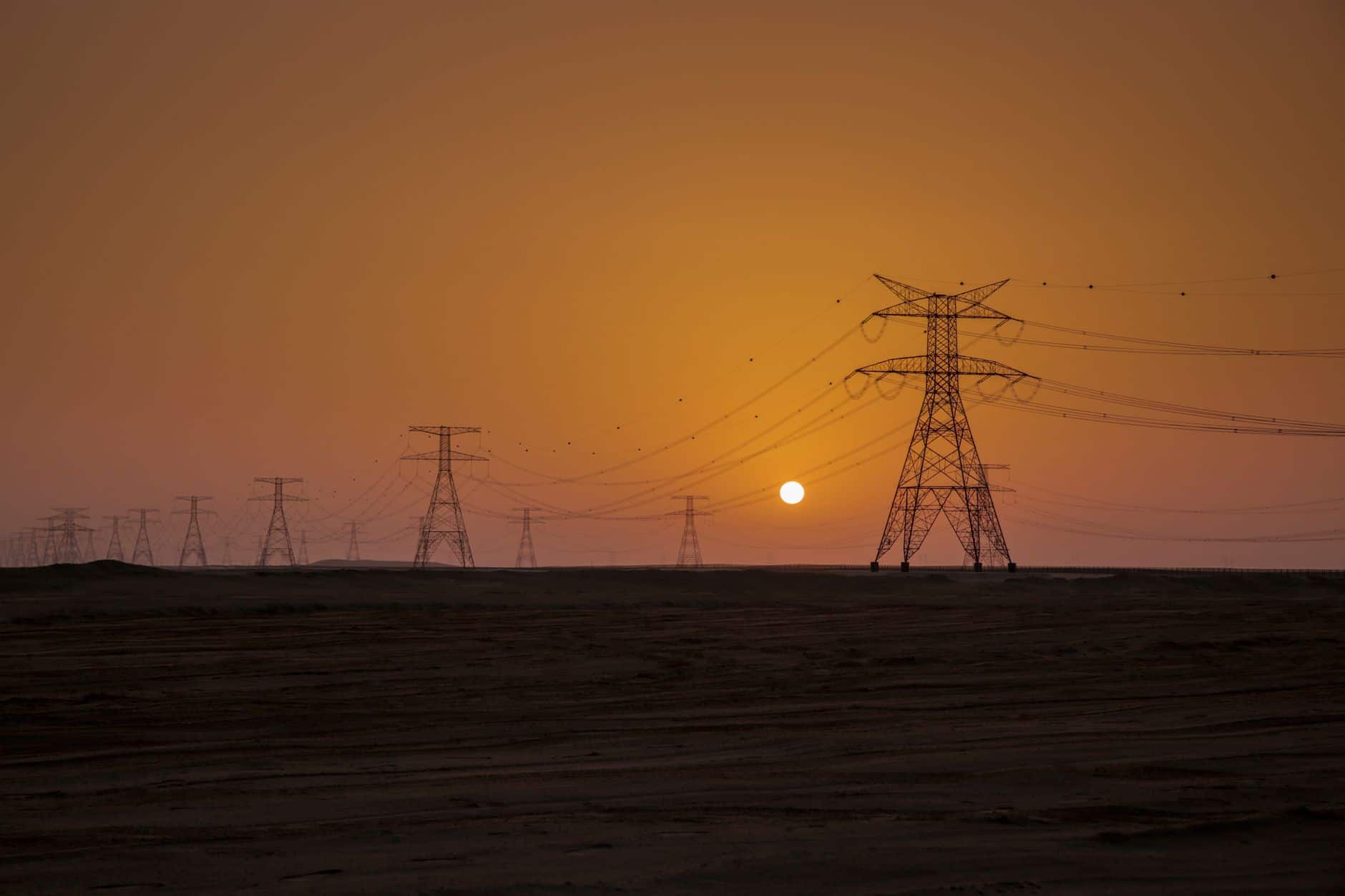
A cautious model proposes 5‑30 MW reversible power links for civilian use, highlighting technical and political hurdles for Israel‑Syria‑Lebanon electricity cooperation.
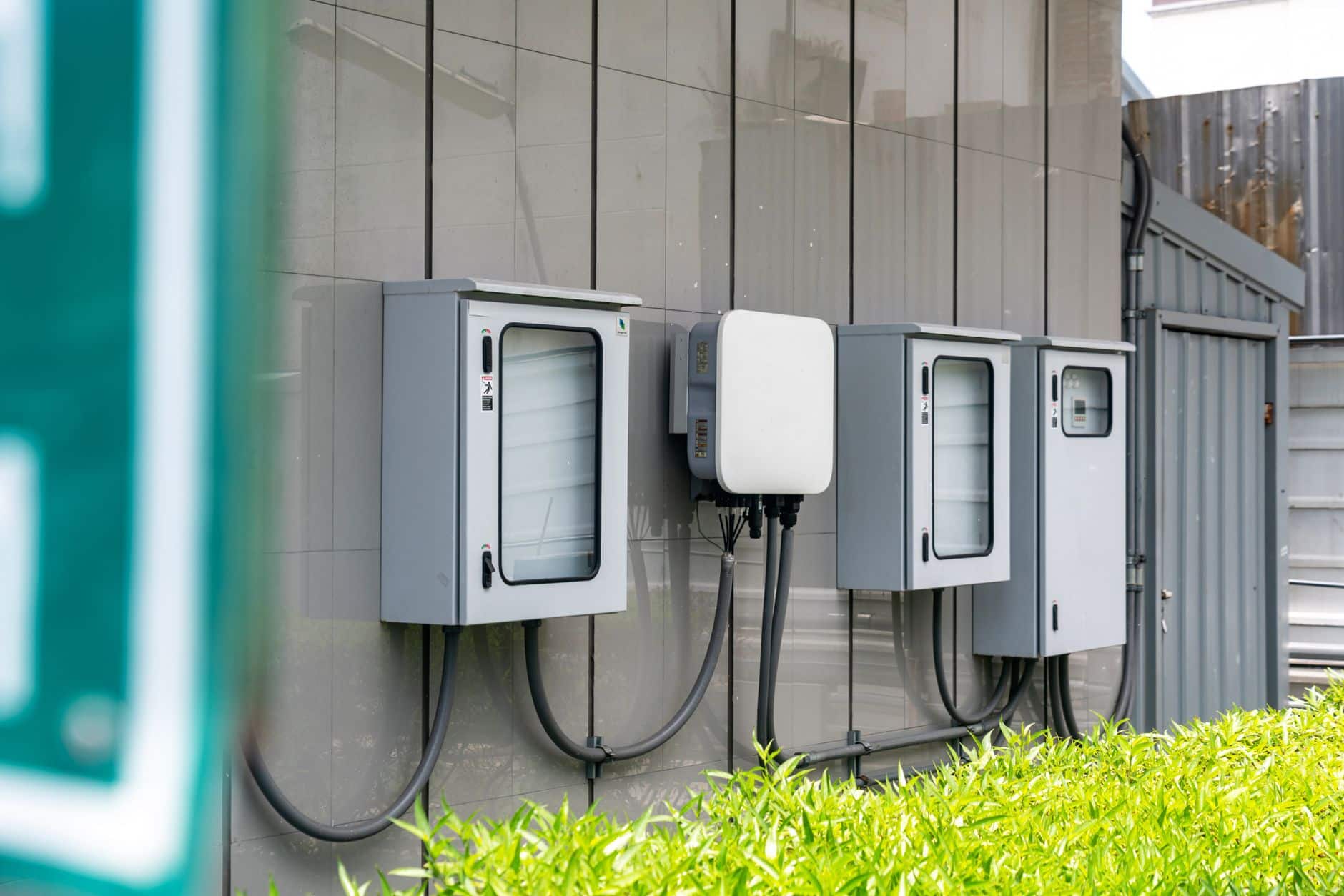
The FCC has expanded its Covered List to ban any Ethernet‑connected inverter, but offers a 45X safe‑harbor for eligible U.S. manufacturers, a move that could affect Israeli solar‑system costs.
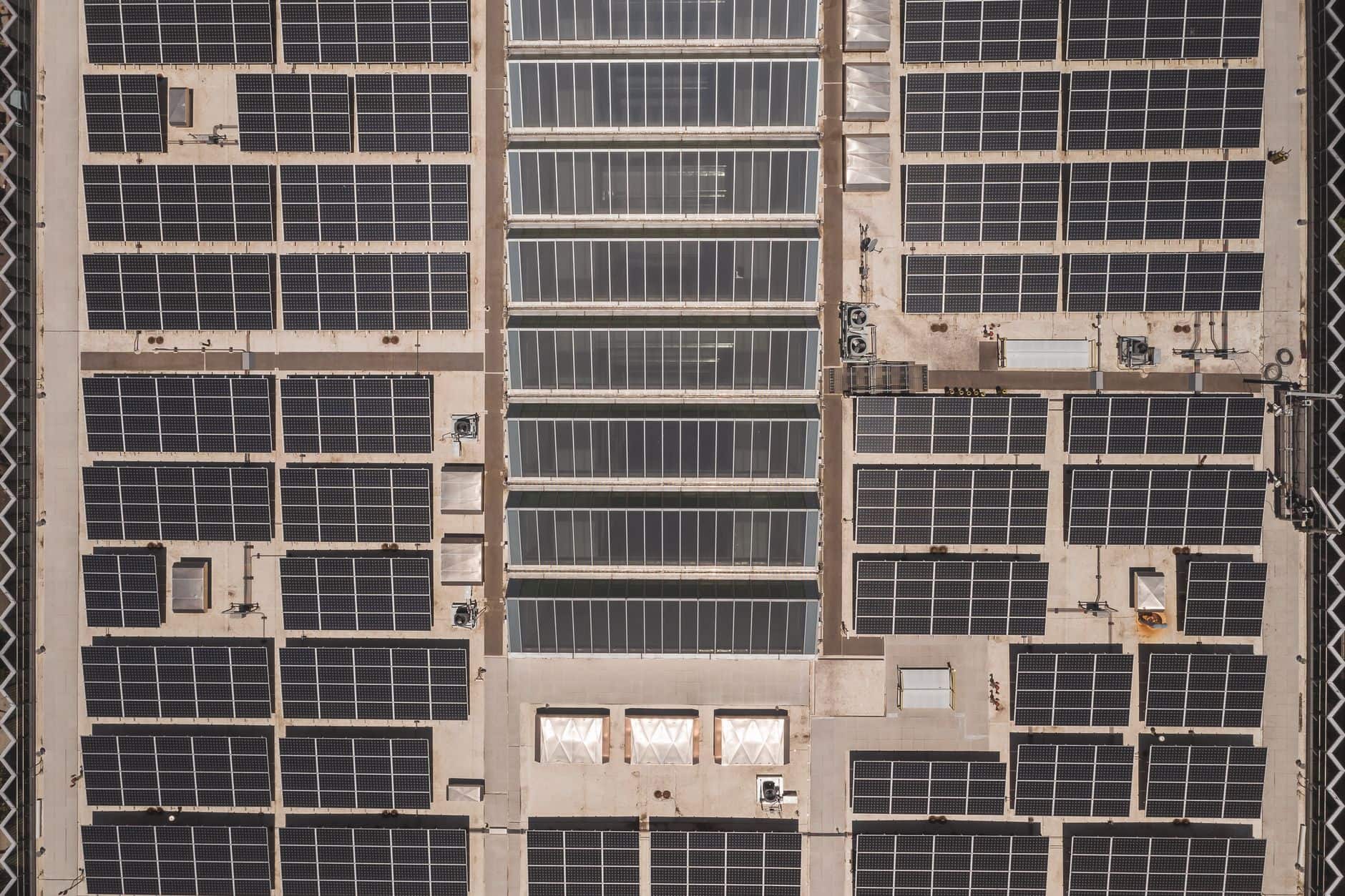
Israel’s renewable electricity share was just 12.5 % in 2023, far below the 30 % target for 2030, and the slowdown in new solar capacity highlights why the country is lagging behind its renewable‑energy goals.
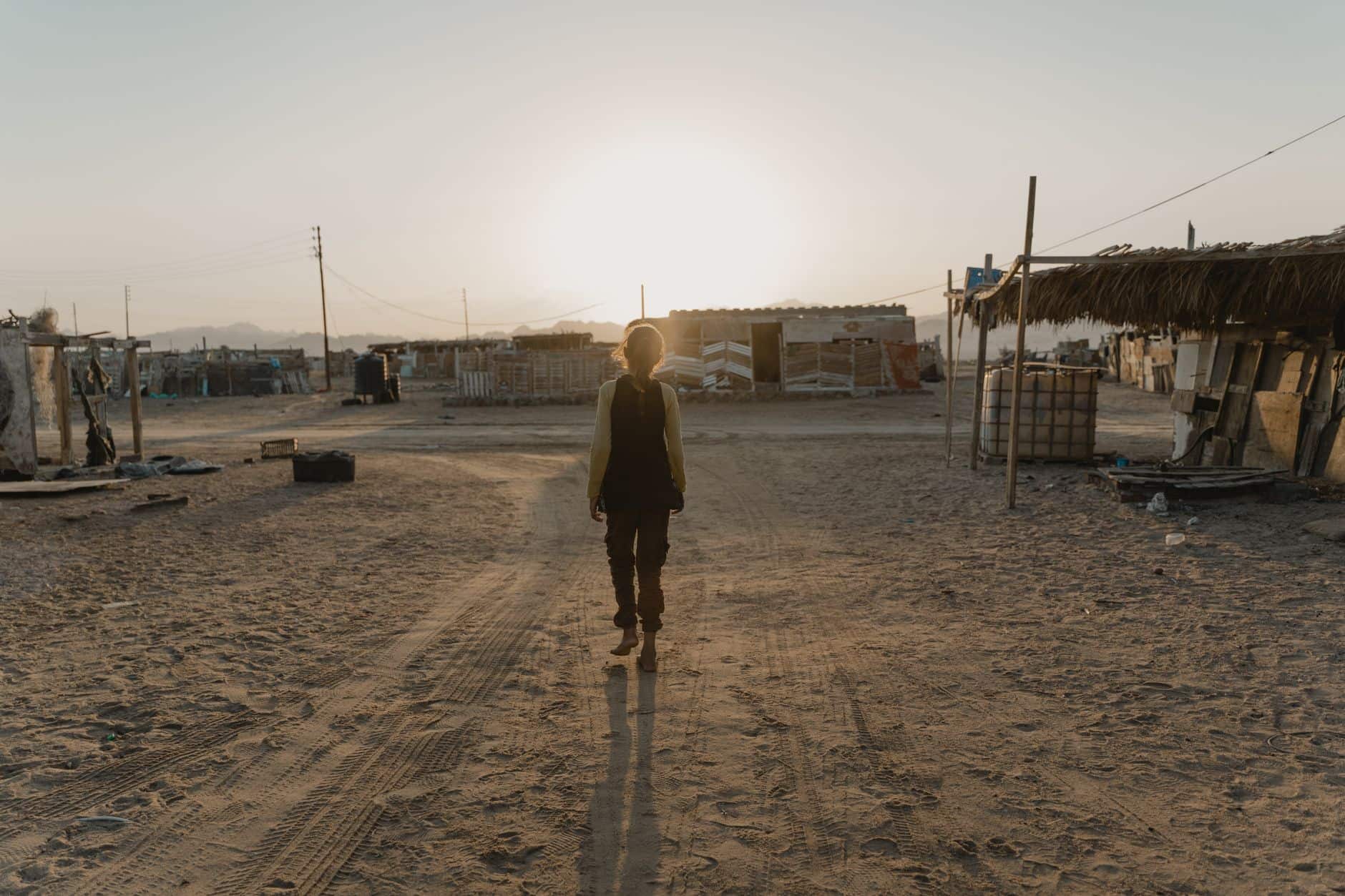
Israel’s Land Authority will sell lands set aside for Bedouin settlement regularisation on the open market, unlocking potential for large‑scale solar farms in the Negev.

The EU has opened a new fiscal pathway allowing member states to use part of the national escape clause budget to fund solar, battery storage and heat‑pump projects from 2026‑2028.

Bangladesh will only register its 6 million electric rickshaws if they charge from solar stations, a move that could require significant new solar capacity and spark a wave of investment.
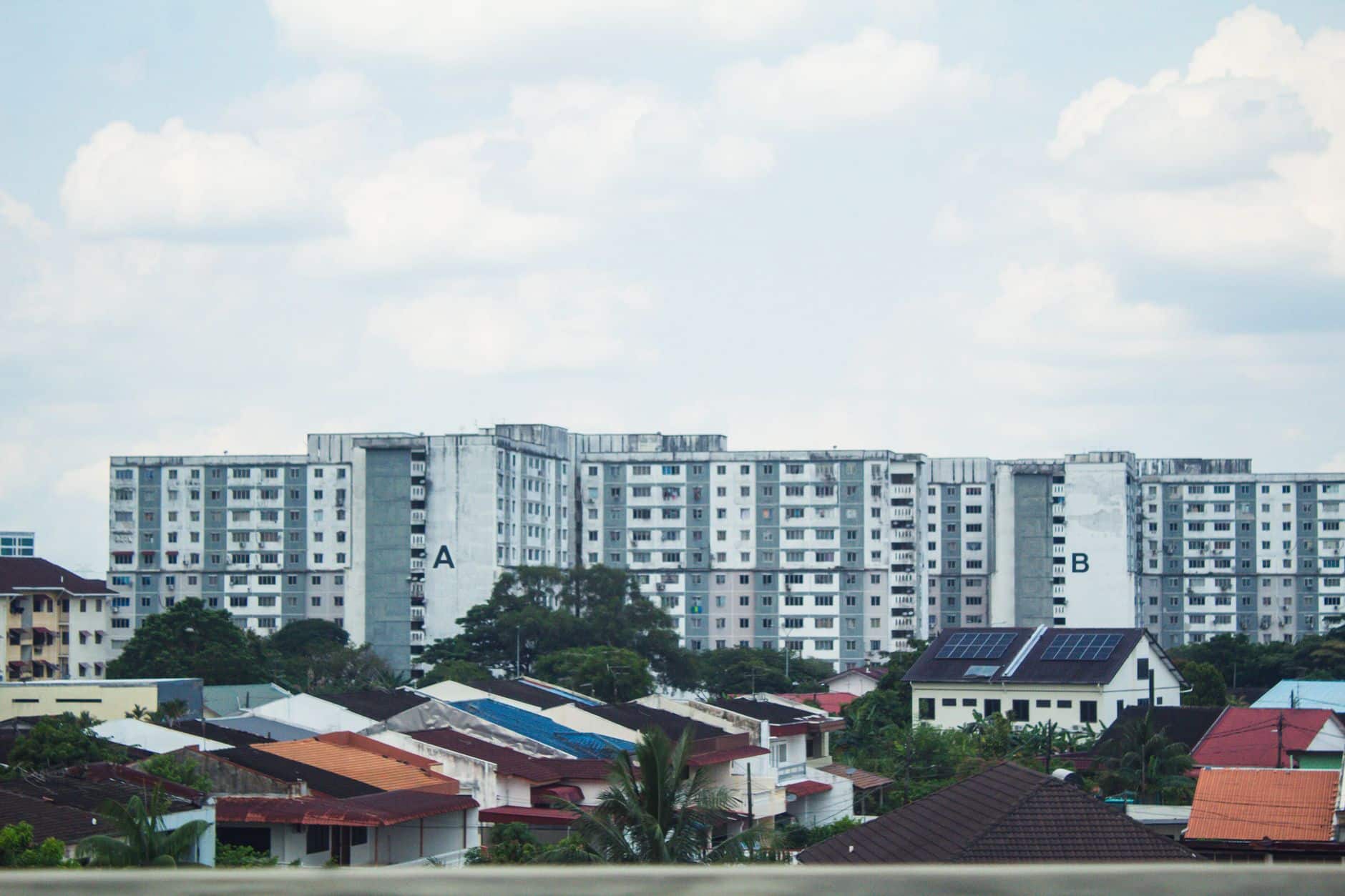
Malaysia’s energy regulator has capped residential rooftop solar at 5 kW (single‑phase) and 12.5 kW (three‑phase) while allowing up to 1 MW for small commercial users under the NEM GoMEn scheme.
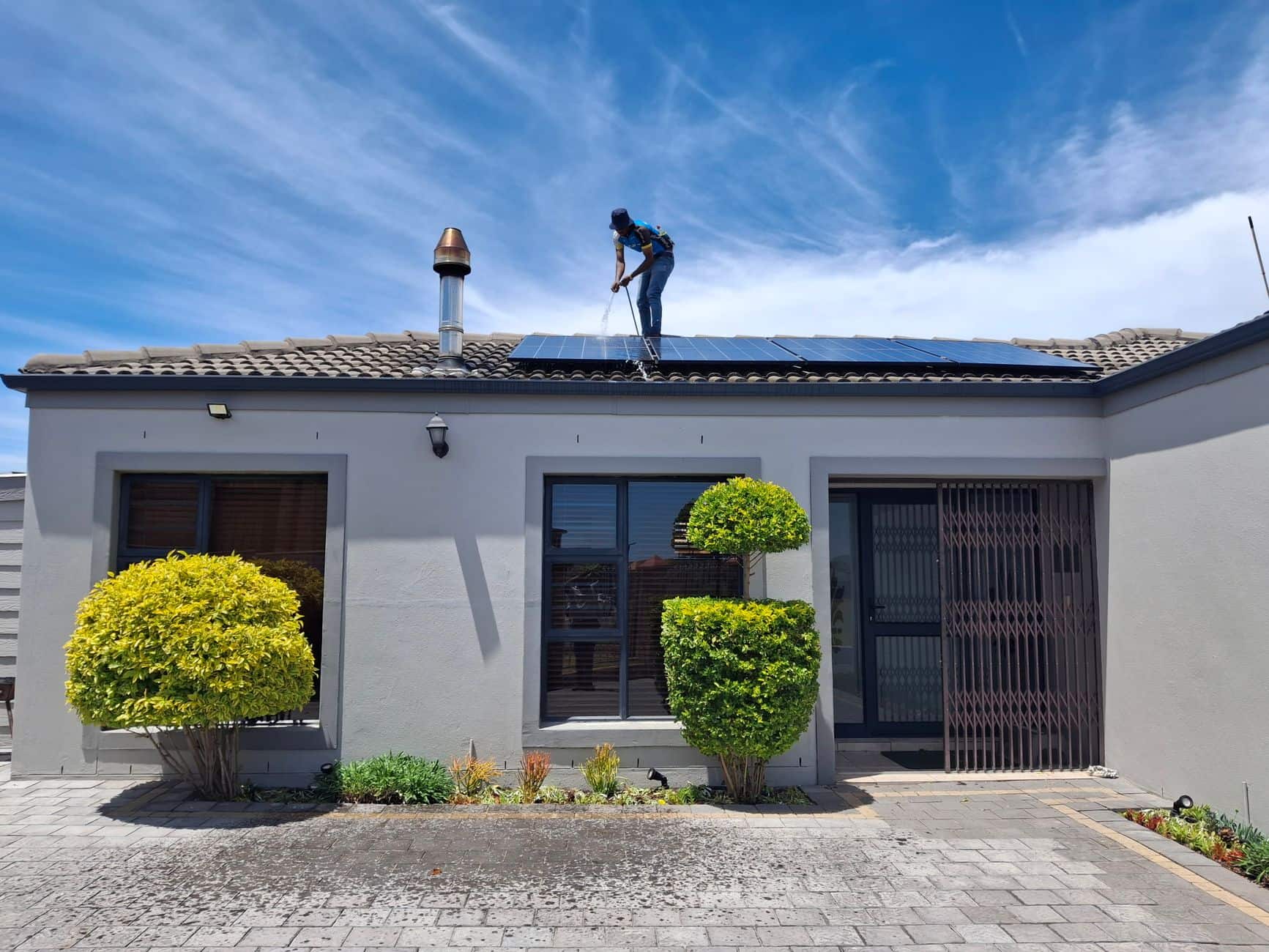
Eskom has reversed its threat to fine or disconnect households that miss the September 30 deadline for registering rooftop solar systems, removing penalties up to ZAR 30,000.
Israel’s land prices for solar farms could jump ten‑fold, raising utility‑scale costs and pushing electricity bills higher, while rooftop solar remains a cost‑effective hedge for homeowners.
Send us a message — a demo, a question about the system, a partnership or anything else. We'll get back to you.