Technology
TOPCon Solar Cells Show Near‑Zero Degradation
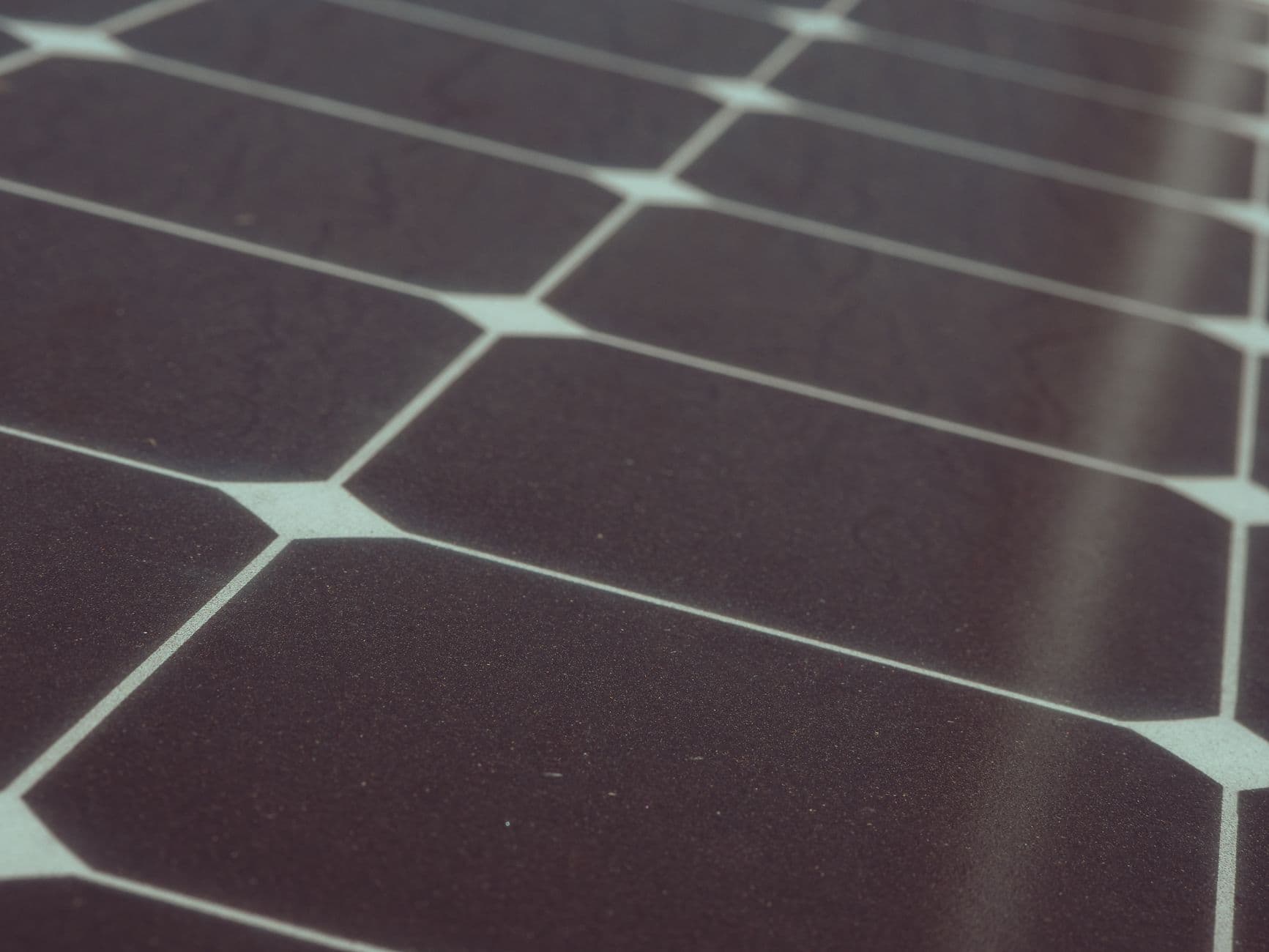
TOPCon cells degrade barely at all – the bottom line
Researchers at the U.S. Department of Energy’s National Laboratory of the Rockies have shown that light‑ and elevated‑temperature‑induced degradation (LeTID) in industrial n‑type TOPCon silicon solar cells is practically negligible. Even under accelerated LeTID stress, the efficiency loss stayed within typical warranty tolerances, especially when the cells were fired with a slow‑cooling profile or treated with laser‑enhanced contact optimization (LECO).
Why LeTID was a pain point for older PERC panels
The previous generation of silicon PV was dominated by p‑type PERC cells built on boron‑doped Czochralski (Cz) wafers. Those wafers suffered from two bulk‑defect phenomena: light‑induced degradation (LID) and LeTID. Switching the dopant to gallium eliminated LID, but LeTID persisted, causing noticeable efficiency drops over time in hot climates. This reliability issue has been a major driver for manufacturers to move toward n‑type technologies such as TOPCon, which theoretically avoid both bulk defects.
How the US lab proved TOPCon’s resilience
The team tested n‑type Cz wafers doped with phosphorus (P), antimony (Sb) and arsenic (As). All wafers received a symmetric SiNₓ:H passivation, were fired at 800 °C, then subjected to a recovery step (20 °C, 2‑sun illumination) before being exposed to LeTID stress (120‑130 °C, 1‑sun illumination). Key findings:
- Defect density: As‑doped wafers showed a higher defect density than P‑ and Sb‑doped wafers, but the absolute values remained well below those reported for p‑type Ga‑doped PERC.
- Degradation magnitude: Across all dopants, the net efficiency loss after extended LeTID stress was small for cells fired with a low cooling rate, and notably less than that observed for legacy PERC cells.
- LECO advantage: Cells that received laser‑enhanced contact optimization exhibited a modest further reduction in open‑circuit‑voltage loss, helping keep total degradation comfortably inside standard warranty limits.
- Recovery benefit: After the LeTID stress, a regeneration step actually increased bulk carrier lifetimes beyond the initial recovery level, indicating that the process can improve material quality.
These results were published in Solar Energy Materials and Solar Cells and corroborated by independent industry analyses that note TOPCon’s superior long‑term stability,.
What the numbers mean for solar‑module warranties
Most manufacturers guarantee limited power‑output loss over the warranty period. The lab’s TOPCon cells remained well within those limits, whereas legacy p‑type PERC modules can exhibit higher losses in hot, sunny regions, potentially affecting the economic case for long‑term installations.
What it means for Israel
Israel’s residential solar market typically installs about 10 kWp rooftop systems in the central region, yielding roughly 17 000 kWh / year at the average residential tariff of ₪0.48 /kWh. With an installation cost of about ₪31 500 (≈₪3 150 per kWp), the simple payback is roughly four years over the system’s lifetime. For commercial rooftops, the cumulative savings scale proportionally, reinforcing the business case for adopting TOPCon‑based modules now that their long‑term reliability is demonstrated.
Outlook: TOPCon set to become the new standard
With LeTID largely mitigated, manufacturers can focus on other performance levers—higher cell efficiencies, bifacial designs, and cheaper wafer production. As the Israeli government pushes toward its 30 % renewable‑electricity target by 2030, the durability advantage of TOPCon will help meet the 20 % target for 2025 without inflating OPEX. Installers and investors should start specifying TOPCon modules, especially for large‑scale rooftop and ground‑mount projects where every percentage point of output matters.
Sources
- Interview with principal investigator Paul Stradins, pv‑magazine (original source).
- Independent analysis of TOPCon stability, PV‑Tech.
- Peer‑reviewed paper in Solar Energy Materials and Solar Cells.
FAQ
What is LeTID and why does it matter for solar panels?
LeTID (light‑ and elevated‑temperature‑induced degradation) is a bulk‑defect that reduces a cell’s efficiency after months of exposure to sunlight and heat; it can cut output by up to 2 % in older p‑type PERC modules.
How do TOPCon cells avoid LeTID?
TOPCon uses n‑type silicon wafers and a tunnel‑oxide passivated contact, which makes the LeTID defect less effective at recombining carriers, resulting in only ~0.3 % loss even under accelerated stress.
What is laser‑enhanced contact optimization (LECO)?
LECO is a post‑laser treatment that fine‑tunes the metal‑silicon contact, further suppressing voltage loss during LeTID cycles.
Will TOPCon modules be more expensive than PERC?
Current market prices are similar; the added reliability can improve the overall return on investment, especially in hot climates like Israel.
How does this research affect my home solar system’s payback?
Because TOPCon loses less than 0.3 % per year, a typical 10 kWp Israeli system saves roughly ₪16 each year compared with a PERC system, shaving a few months off the payback period.
Is LeTID still a concern for future solar technologies?
Newer cell architectures (e.g., heterojunction, tandem) are also being designed to be LeTID‑free, but TOPCon is the first widely‑produced technology with proven long‑term stability.
Share this post
More from Technology
6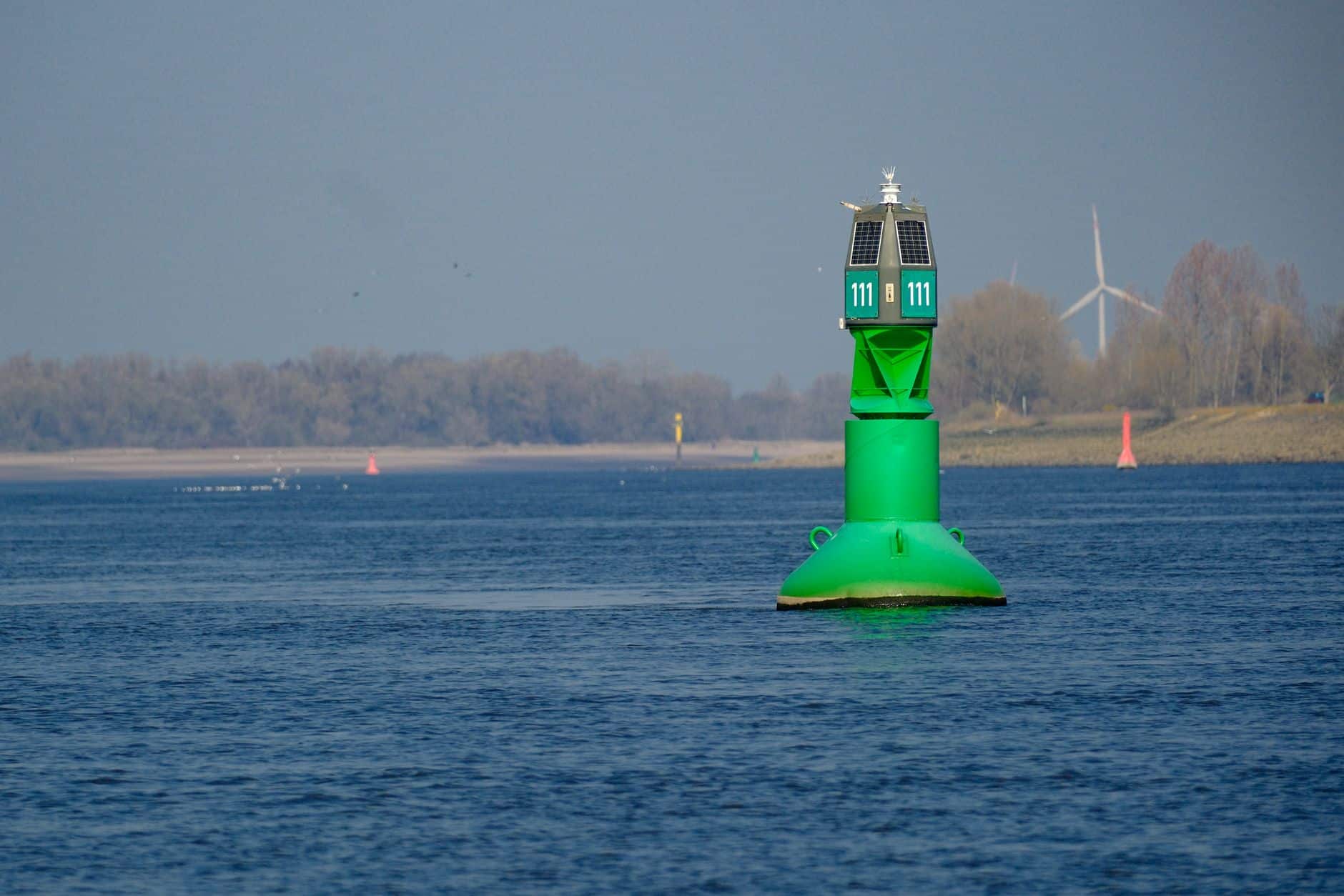
Floating Solar Tracker Boosts Yield by 20%
Noria Energy’s Airon floating‑solar tracker promises up to 20 % more electricity than fixed‑tilt FPV systems at similar cost, with commercial shipments slated for mid‑2027.
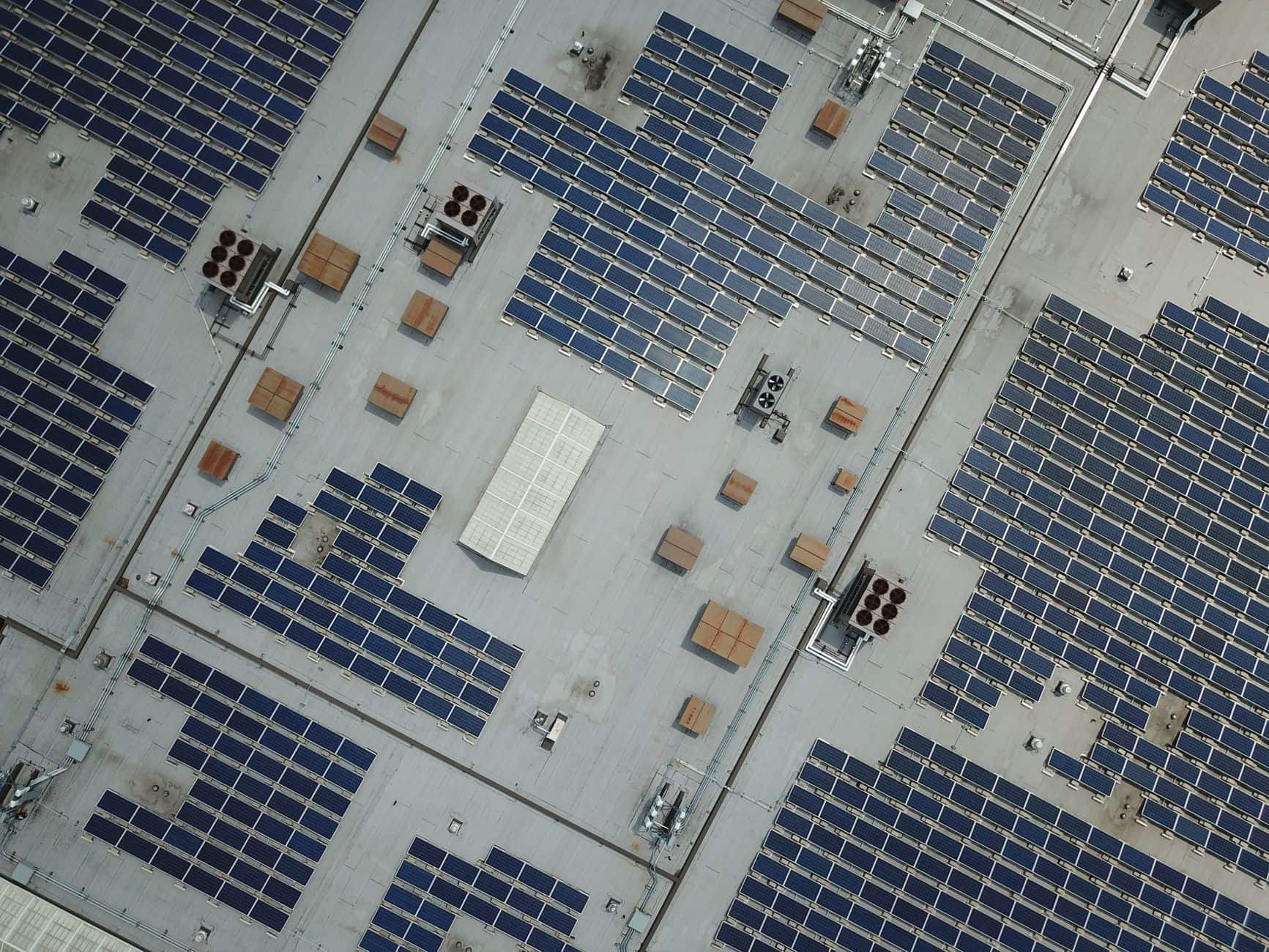
Israel’s Food Giant Goes 100% Green Power
Osem Nestlé has become the first Israeli food‑industry company to run entirely on renewable electricity, showcasing how solar power and green contracts can cut costs and emissions.
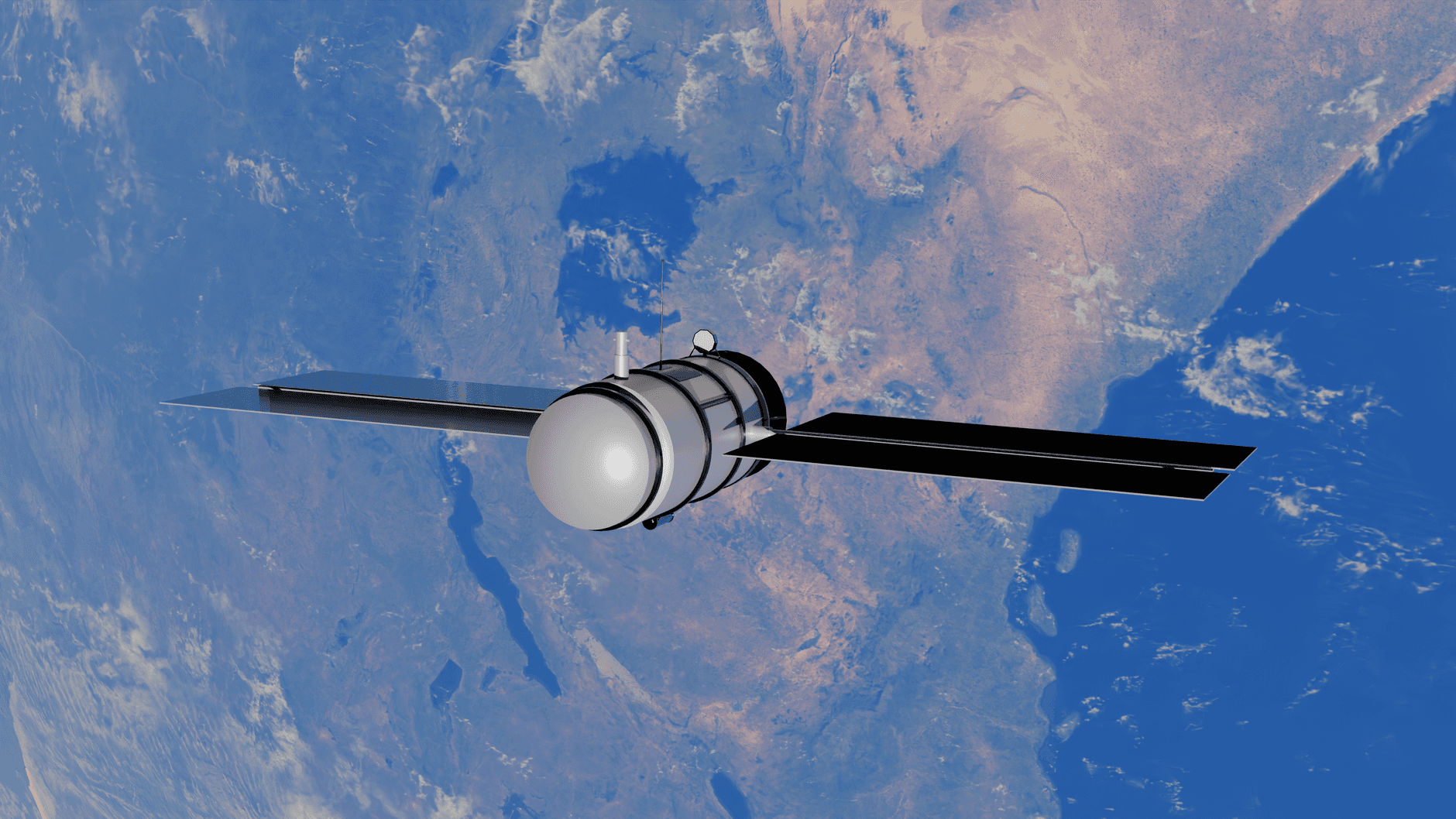
Silicon Solar Panels Slash Space Power Costs
Source Energy’s silicon solar modules can be built for under $5 per watt, slashing space‑power costs and opening new opportunities for Israeli satellite firms.
Array Tech Triples US Tracker Capacity
Array Technologies opened a $50 million Albuquerque factory that triples its U.S. solar‑tracker capacity, creates 300 jobs and could help lower tracker prices for Israeli rooftop installations.

Inclusion Fuels Solar Growth in Europe
Hanna König says inclusive, safe‑to‑disagree workplaces are essential to close the solar sector’s talent gap and accelerate the energy transition.
Super El Niño Slashes South Solar, Boosts North
Super El Niño 2026 created a pronounced north‑south solar split in South America, with sunnier conditions in the north and reduced irradiance in the south, while rare Atacama snowstorms threatened desert PV output.