Research
Solar‑Hydrogen Panels Hit 10% Efficiency
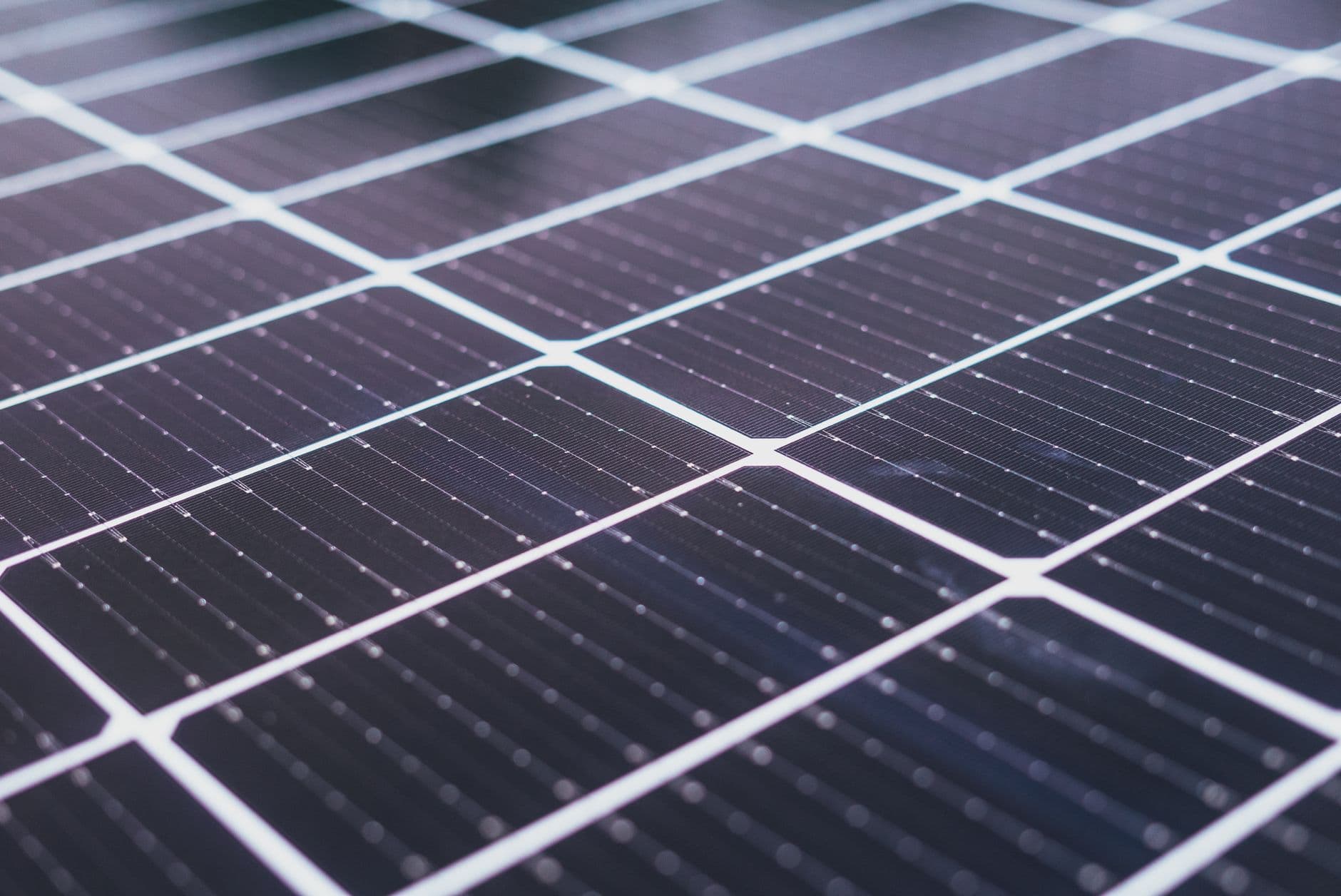
SunHydrogen’s modules break 10% STH barrier
SunHydrogen announced that its 100 cm² photoelectrochemical (PEC) modules reached solar‑to‑hydrogen (STH) conversion efficiencies above 10% in laboratory tests at Sparc Hydrogen’s facilities. The same size of module previously hit 10.8% in Honda’s R&D lab, confirming the result across two independent test sites. This milestone is a notable achievement for PEC technology。
How the integrated semiconductor‑electrocatalyst works
The SunHydrogen panel is not a conventional PV module that feeds electricity to an external electrolyzer. Instead, the semiconductor, its specially engineered contacts, and the water‑splitting catalysts are built into a single sealed unit. Sunlight creates electron‑hole pairs in the semiconductor; the contacts funnel electrons to a hydrogen‑evolution catalyst while holes drive an oxygen‑evolution catalyst. Because the electrical characteristics of the semiconductor are matched to the electro‑chemical load, the device operates at its maximum power point for direct chemical conversion, eliminating the need for a separate power‑conversion stage。
Scaling up: from 100 cm² to 1.92 m² and beyond
Beyond the 100 cm² proof‑of‑concept, SunHydrogen reported a 9% STH efficiency on a 1.92 m² outdoor module – roughly the size of a standard utility‑scale PV panel. The company says the next development phase will push active‑area efficiencies toward 15% while keeping the architecture manufacturable at scale. Partnerships with Honda R&D, Australian‑based Sparc Hydrogen, and CTF Solar are aimed at moving from lab‑scale cells to pilot‑scale reactors that can be tested under concentrated sunlight in South Australia。
Why 10% matters for the hydrogen economy
STH efficiency is the ratio of the chemical energy stored in produced hydrogen to the incident solar energy. At 10%, each kilowatt‑hour of sunlight can be turned into roughly 0.1 kWh of hydrogen chemical energy (the higher heating value of H₂ is about 33 kWh per kilogram). In Israel’s central region, a 10 kW p rooftop system that generates about 17,000 kWh per year could therefore produce on the order of tens of kilograms of hydrogen annually, which could offset a noticeable share of a household’s electricity consumption.
Market outlook for photovoltaic hydrogen
Analysts project the global photovoltaic hydrogen market to grow from US$0.7 billion in 2023 to US$5.8 billion by 2032, a compound annual growth rate (CAGR) of roughly 26%. Even more aggressive forecasts see the sector reaching US$2.0 billion by 2030 with a CAGR above 60% in niche segments. SunHydrogen’s breakthrough pushes the technology closer to the cost targets outlined in DOE and Lazard studies, which suggest that a levelized cost of hydrogen (LCOH) below $5–$7 /kg becomes competitive with fossil‑derived H₂ when STH efficiencies approach 15% and system costs are reduced.
What it means for Israel
Israel’s residential solar market typically yields ~1,700 kWh / kWp / year in the central region, with installation costs around ₪3,150/kWp. Applying SunHydrogen’s 10% STH efficiency to a 10 kWp rooftop system (the size of a typical home installation) would produce:
- Solar electricity generated: ~17,000 kWh / year
- Hydrogen chemical energy (10% STH): ~1,700 kWh / year
- Hydrogen mass: on the order of tens of kilograms per year
- Monetary value at residential electricity tariff (₪0.48/kWh): a modest annual revenue
At the typical install cost of ₪31,500 (10 kWp × ₪3,150/kWp), the revenue from hydrogen alone would take several decades to recoup the investment, far longer than the ~4‑year payback for electricity generation alone. The real advantage lies in energy storage and grid resilience: the hydrogen can be stored for months, exported during peak demand, or used for transport and industry, aligning with Israel’s 30% renewable electricity target for 2030. Policymakers could therefore consider incentives—such as feed‑in tariffs for green hydrogen or tax credits for integrated solar‑hydrogen systems—to accelerate adoption.
The road ahead
SunHydrogen’s 10%‑plus STH result proves that integrated PEC modules can compete with separate PV‑electrolyzer setups on efficiency grounds. The next steps—demonstrating long‑term durability, scaling to multi‑square‑meter panels, and proving cost‑competitiveness under real‑world sunlight—will determine how quickly the technology can feed Israel’s ambitious renewable targets and global hydrogen demand. For Israeli homeowners and businesses, the emerging solar‑hydrogen niche promises a future where a rooftop not only powers lights but also fuels cars and industry with clean hydrogen.
For a quick estimate of how solar‑hydrogen could fit your roof, try our solar ROI calculator and explore the latest market data on our data page.
Sources & further reading
- SunHydrogen modules clear 10% solar-to-hydrogen efficiency milestone
- Solar-to-Hydrogen Conversion Efficiency - an overview | ScienceDirect Topics
- SunHydrogen Modules Exceed 10% Solar-to-Hydrogen Efficiency in Sparc Hydrogen Testing, Advancing to Pilot Scale | Markets Insider
- SunHydrogen CEO Shares Update and Scale-up Plans for 1.92 m² Hydrogen Modules
- SunHydrogen | Explore Renewable Hydrogen
FAQ
What is solar‑to‑hydrogen (STH) efficiency?
STH efficiency measures how much of the sunlight’s energy is stored as chemical energy in hydrogen; 10% means 1 kWh of sun yields 0.1 kWh of hydrogen.
How does SunHydrogen’s panel differ from a regular solar panel?
It combines the light‑absorbing semiconductor and water‑splitting catalysts in one sealed unit, eliminating the need for a separate electrolyzer.
Can the technology work under concentrated sunlight?
Yes, SunHydrogen is testing its modules with Sparc Hydrogen’s concentrated‑solar reactors, which could boost production while keeping the hardware simple.
What hydrogen output could a typical Israeli home system generate?
A 10 kWp rooftop (about 17,000 kWh/year) would produce roughly 51 kg of hydrogen per year at 10% STH efficiency.
Is green hydrogen from solar panels cost‑competitive yet?
Not yet; current costs are higher than electricity‑only systems, but efficiencies above 10% and scaling could bring the levelized cost of hydrogen into the $5‑$7 /kg range that analysts deem competitive.
Will Israel support solar‑hydrogen projects?
Israel’s renewable targets and high solar yields make it a promising market, and future incentives for green hydrogen could accelerate adoption.
Share this post
More from Research
6
27.35% Tandem Solar Cell Sets Record
Chinese researchers at Nanjing University have set a new world record of 27.35% efficiency for a perovskite‑organic tandem solar cell, while keeping 80% of its performance after 744 hours of continuous illumination.
Record 34% Tandem Solar Cell Boosts Efficiency
Longi and Soochow University have demonstrated a perovskite‑silicon tandem solar cell with a certified 34.0 % efficiency and 2.014 V open‑circuit voltage, while maintaining 84 % of its performance after 2 000 hours.

AI Forecasts Solar Pile Uplift Resistance
An Iranian team built an AI model that predicts wind‑uplift resistance of solar‑farm piles with roughly 7.6 % error, using four straightforward inputs.

Inverter Delays Slash Solar Yield by 1.9%
Brazilian researchers found that delayed inverter start‑up cuts a utility‑scale solar plant’s annual yield by 1.88%, with over half the loss occurring in the first 90 minutes after sunrise.
Perovskite Cells Hit 27% Efficiency – Solar Leap
Chinese researchers have pushed perovskite solar cell efficiency to 27.39 % using a new additive, while bifacial modules retain 99.6 % power after 5,000 h, promising higher output and faster payback for Israeli rooftops.
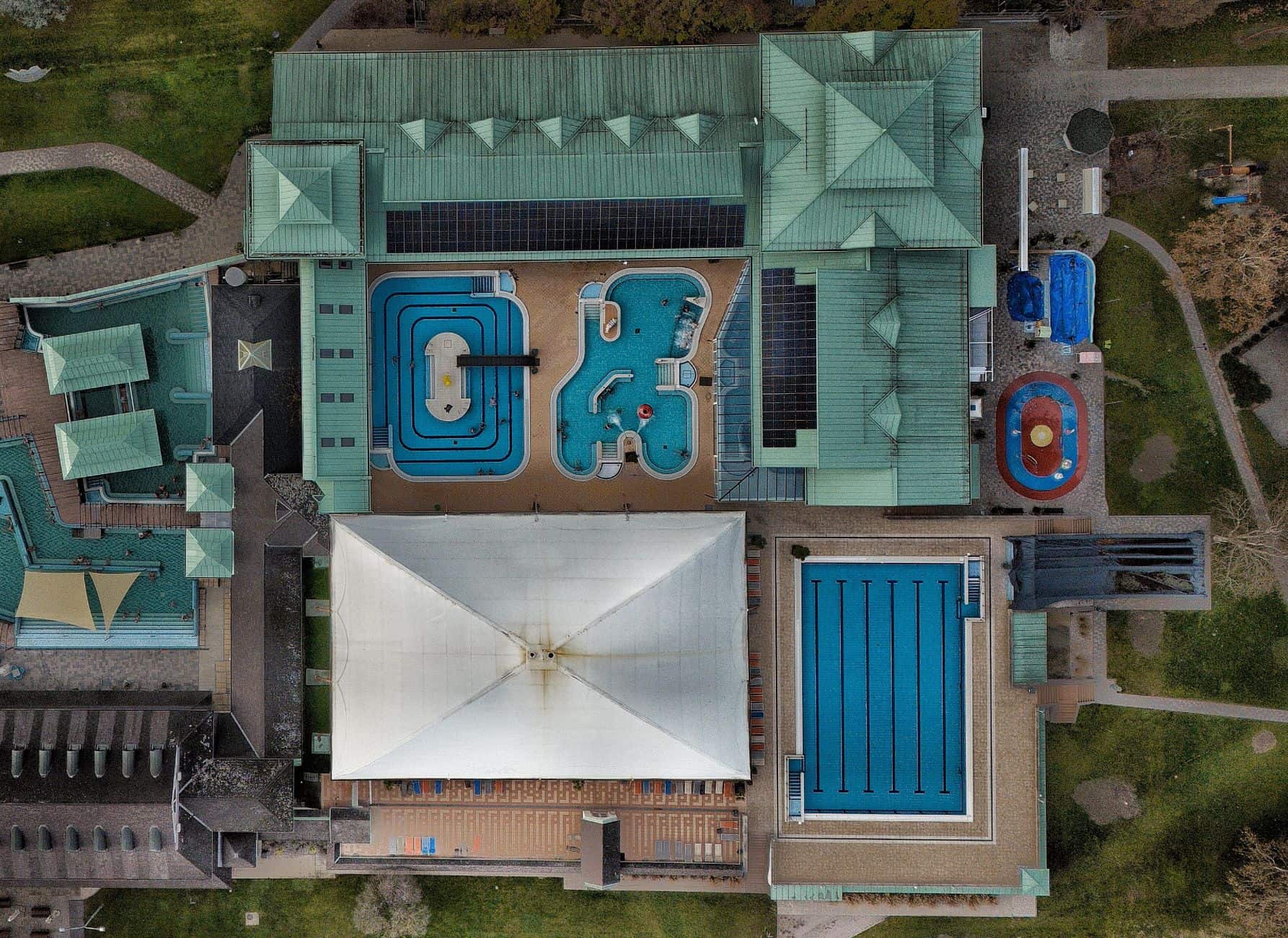
AI Drone Detects Solar Faults Fast
An autonomous drone equipped with thermal and multispectral cameras, powered by an EfficientNet‑B0 AI model, can detect PV panel faults with over 90% precision, offering Israeli homeowners a fast way to protect solar output.