Smart 121‑Sensor System Revamps Greenhouse Solar
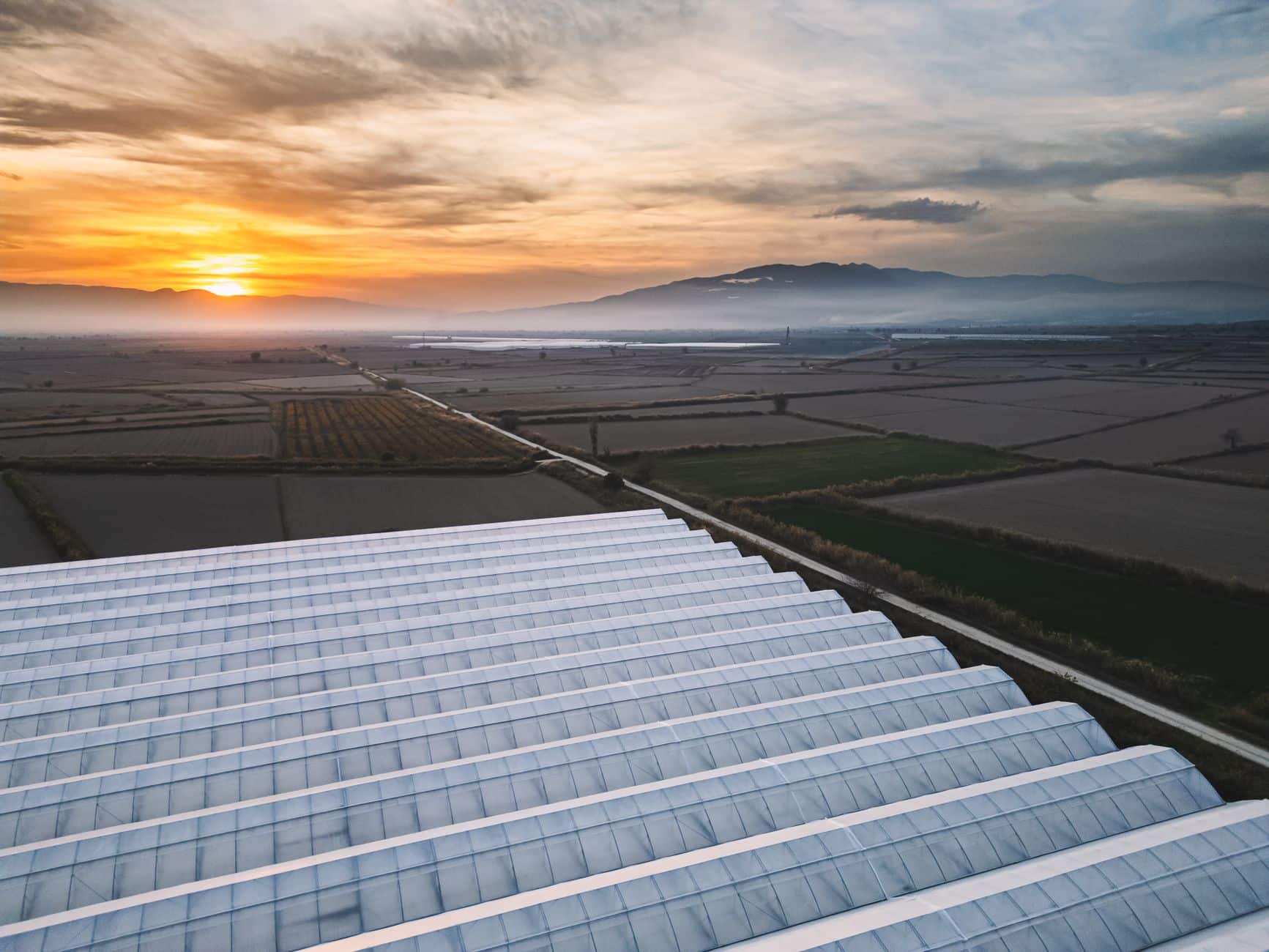
Italian researchers have installed a 121‑sensor platform in a 180 m² agrivoltaic greenhouse, linking solar performance, micro‑climate and irrigation for real‑time, adaptive control.
Solar energy research in Israel is rapidly turning abundant sunshine into a reliable, cost‑effective power source. The country now boasts over 5 GW of photovoltaic (PV) capacity, a booming battery‑storage market, and a strong ecosystem of universities, startups, and government programs driving the next wave of innovation.

Italian researchers have installed a 121‑sensor platform in a 180 m² agrivoltaic greenhouse, linking solar performance, micro‑climate and irrigation for real‑time, adaptive control.

A Chinese study finds that a 200 kW + 200 kW solar‑wind hybrid with a 100 kWh battery reaches 70.8 % self‑sufficiency, cutting grid imports substantially while keeping costs competitive.

A 350 kW solar array in Italy cooled vines, boosted biodiversity and improved grape quality, showing agrivoltaics can protect Mediterranean vineyards while generating electricity.

TU Delft’s new optimisation framework coordinates solar PV, batteries, EVs and heat pumps while earning money from energy arbitrage and frequency‑reserve markets.

A new international study finds floating solar panels often suffer up to 37 % less humidity‑induced moisture than ground‑mounted panels, with design and climate playing a bigger role than the water location.

PV‑related fires are rare, with 2‑4 fires per GW per year in the UK and up to 40 per GW in Slovenia, and most incidents cause only equipment damage.

Australian researchers proved that 316L stainless steel can recover up to 93 % of silver from solar‑panel waste with up to 96 % efficiency, offering a new revenue stream that could improve the economics of Israel’s rooftop solar boom.

Chinese researchers have achieved a 29.71 % efficient perovskite‑CIGS tandem cell using a sulfur‑based additive that also delivers >91 % stability after 2000 h, placing it among the highest‑performing devices of this type.

An open‑source framework now predicts national‑scale PV output two hours ahead with under‑10% error on 82% of days, offering Israeli grid operators a powerful new tool for cost‑effective solar integration.

Australian researchers have set a new efficiency record with a 30.2 % perovskite‑silicon tandem cell, a breakthrough that could increase Israeli rooftop solar yields and accelerate renewable targets.

A new AI diffusion model (cDDPM) can reconstruct hidden rooftop solar output from 30‑minute smart‑meter data, giving DSOs accurate PV profiles with quantified uncertainty.

The IEA‑PVPS 2026 Life‑Cycle Inventory, based on 83 factory assessments, shows a 6 % drop in CO₂ emissions per watt thanks to silicon recycling, thinner wafers and new bottom‑up simulations.
Send us a message — a demo, a question about the system, a partnership or anything else. We'll get back to you.