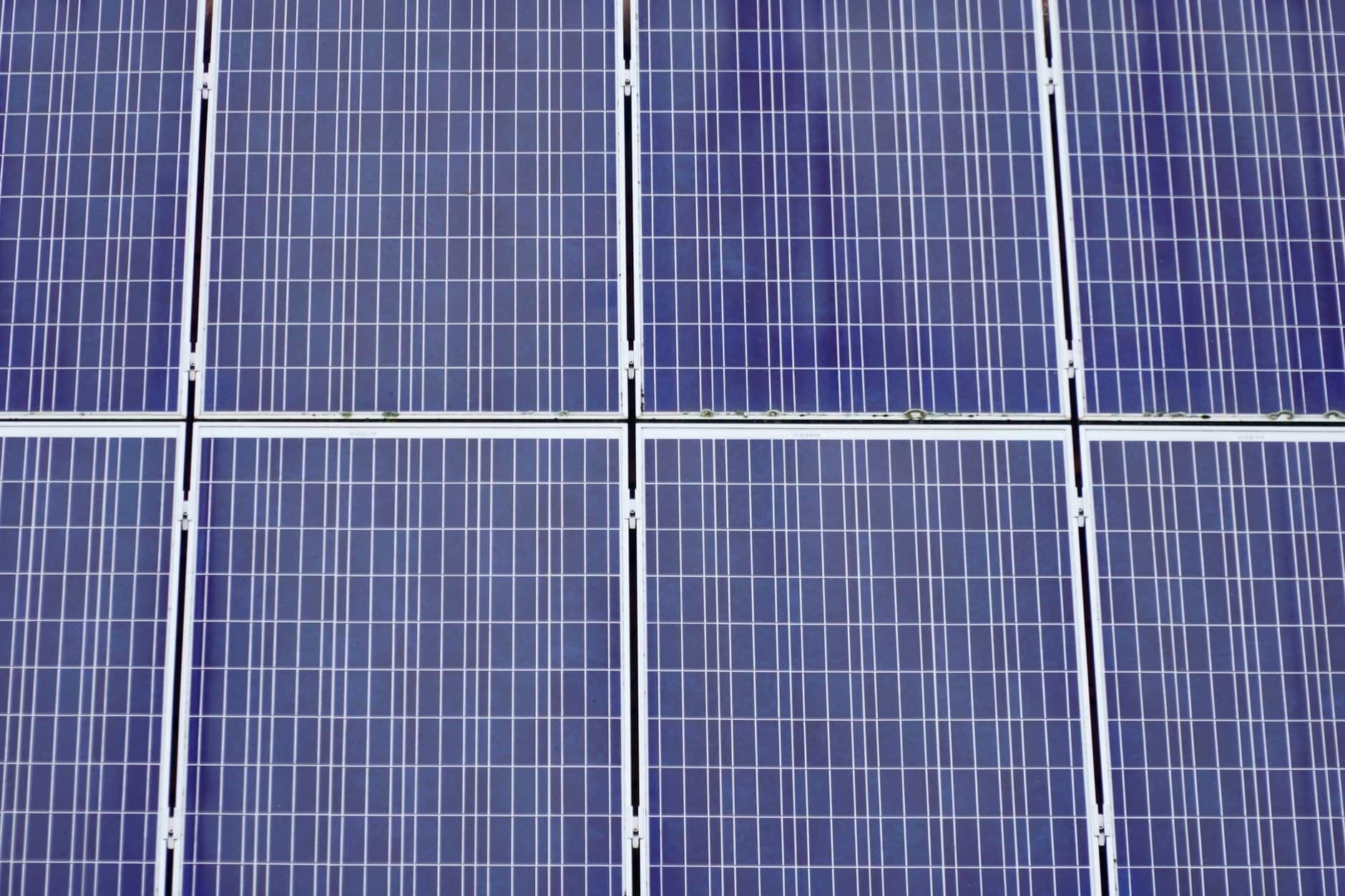
Spectral‑Split Solar Tiles Boost Power Density
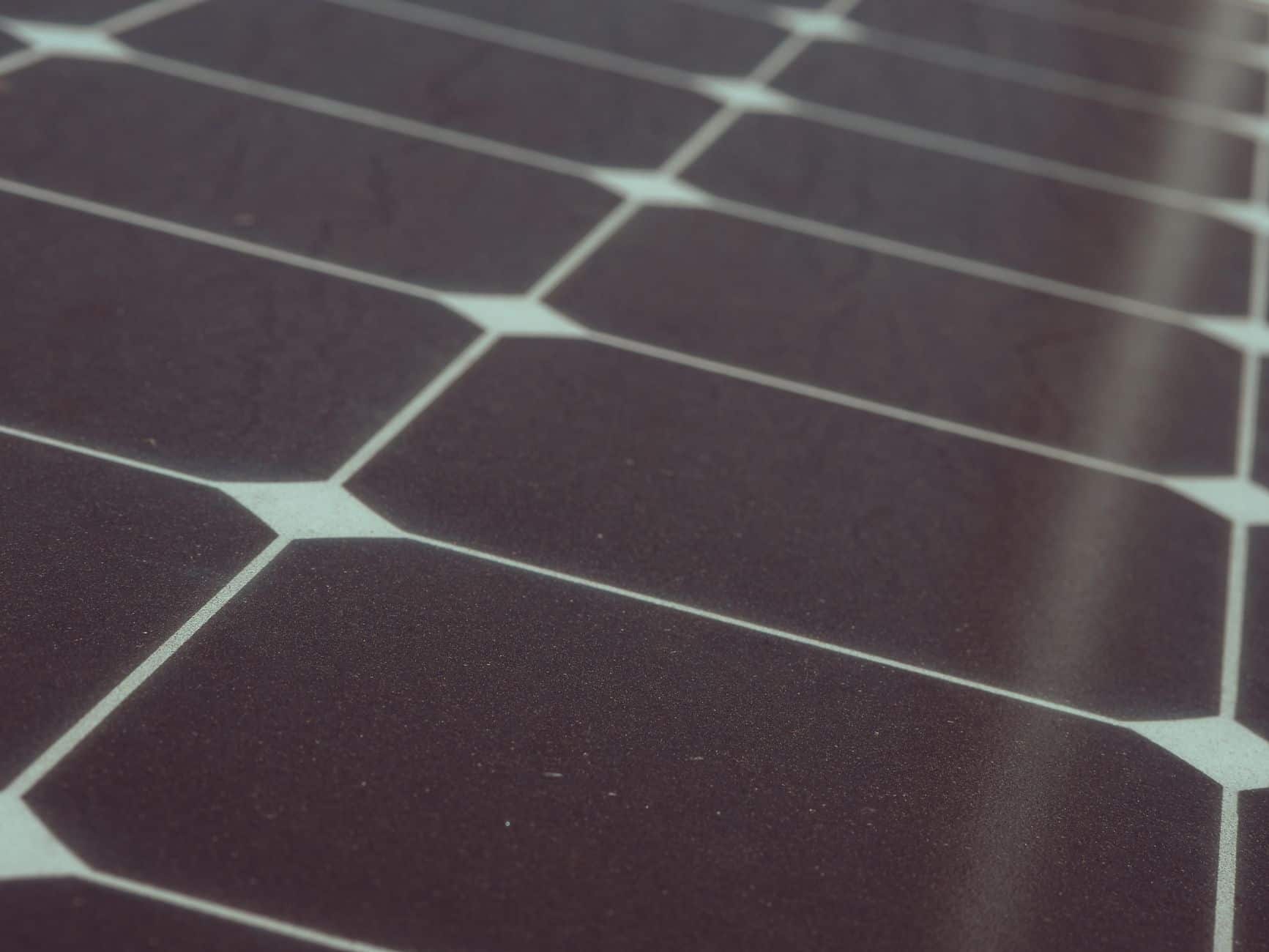
Italy’s CNR has built a four‑terminal PV tile that splits sunlight, sending visible light to a GaAs cell and infrared to a bifacial silicon cell, delivering about 7 % more power per roof area.
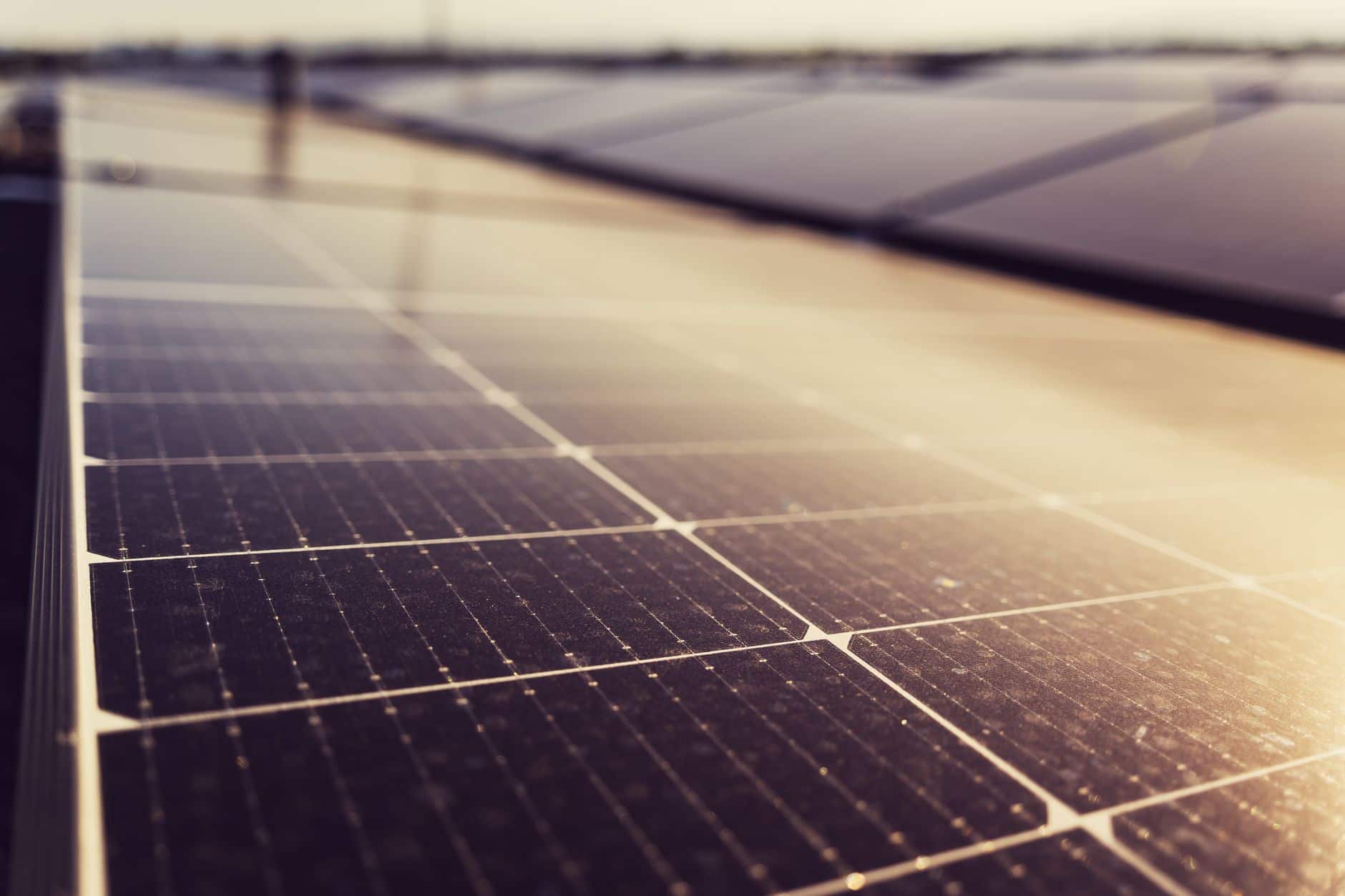
Solar energy research in Israel is rapidly turning abundant sunshine into a reliable, cost‑effective power source. The country now boasts over 5 GW of photovoltaic (PV) capacity, a booming battery‑storage market, and a strong ecosystem of universities, startups, and government programs driving the next wave of innovation.

Italy’s CNR has built a four‑terminal PV tile that splits sunlight, sending visible light to a GaAs cell and infrared to a bifacial silicon cell, delivering about 7 % more power per roof area.

A porous silicon‑dioxide coating on PV cover glass lifts solar module efficiency by about 0.25% through higher light transmission and passive radiative cooling.

Israel’s Ministry of Energy and Infrastructure is offering up to ₪500,000 per academic project to boost solar‑panel research, aiming to cut costs and accelerate rooftop adoption.

A new Swiss study shows each rooftop solar install lifts nearby adoption chances by up to 20 % and cuts neighbours’ electricity use, offering hidden savings and policy upside.

German researchers discovered that barley, maize, cabbage, potatoes and field beans can physiologically adapt to the shade of solar panels, lowering their light needs and respiration without a universal yield loss.

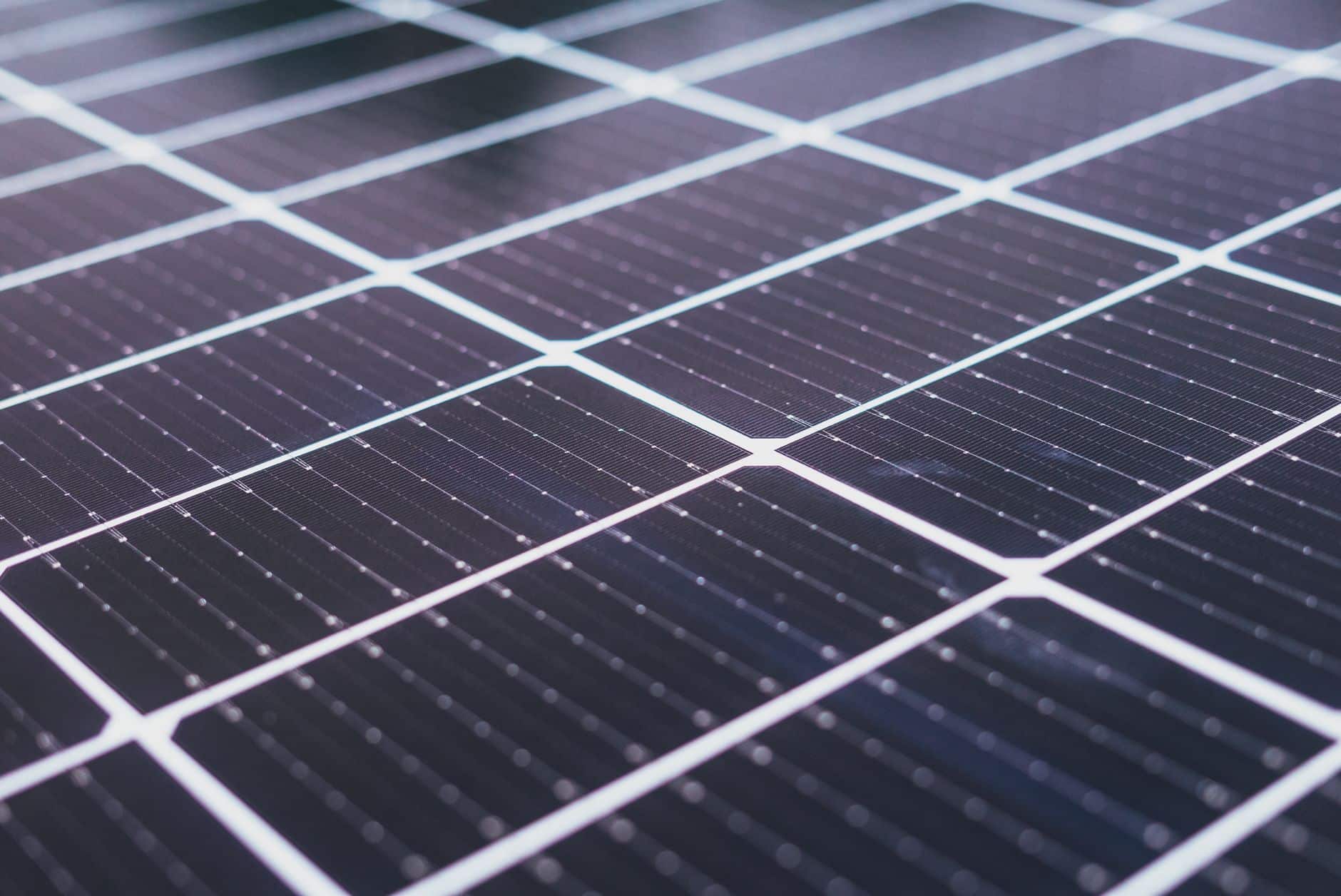
Two‑terminal perovskite‑silicon tandems can lose up to 3.25 % of annual yield in some climates, yet still deliver 8‑11 % more energy per area, making them economically attractive where the local spectrum matches.

Chinese researchers have certified a 24.0% efficient 810 cm² perovskite solar module, setting a world record and demonstrating durability that meets IEC 61215 standards.

A systematic review of 60 studies finds solar PV will generate about 61 % of global electricity by 2050, but model assumptions cause forecasts to range from 5 % to 98 %.

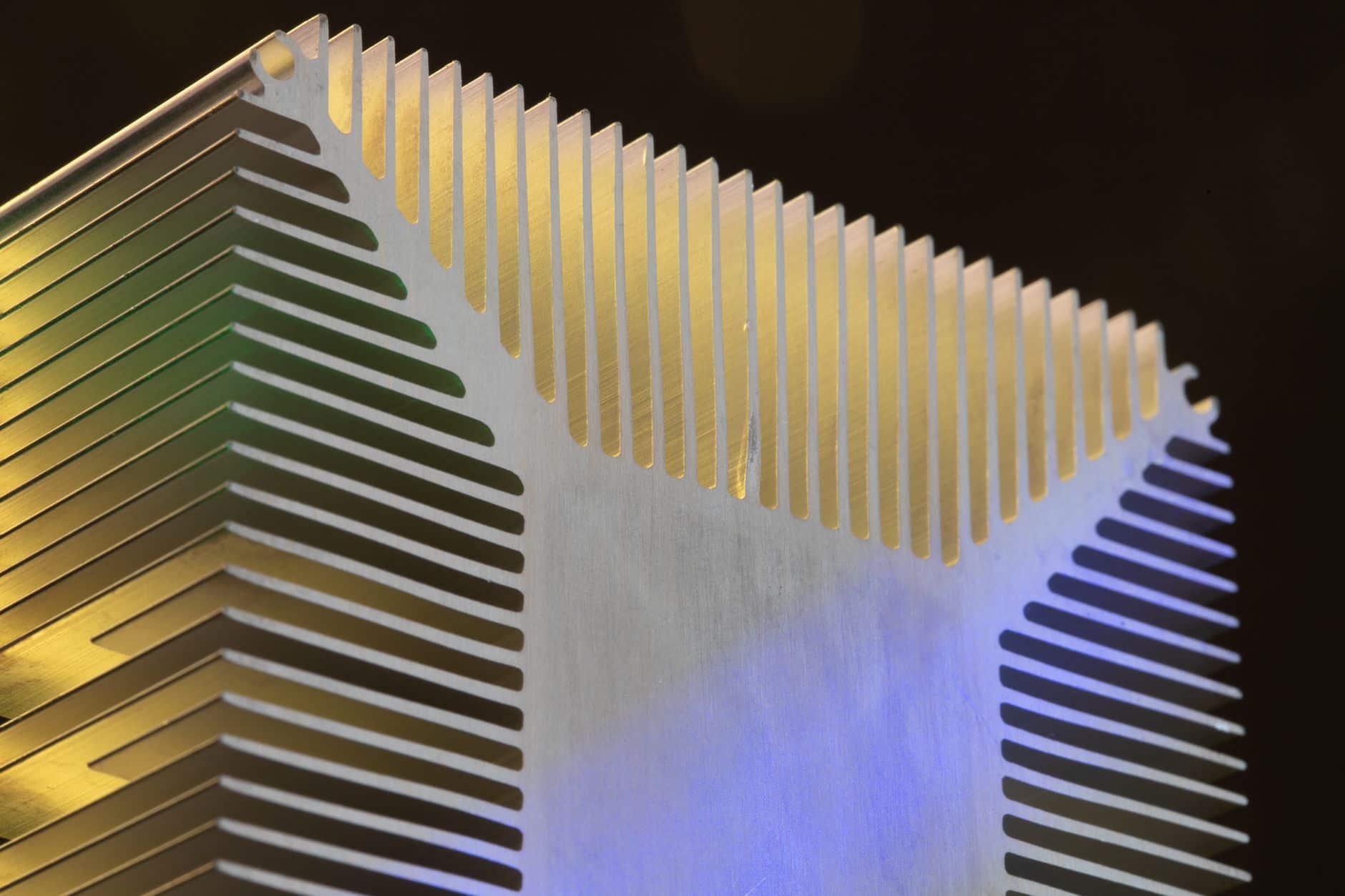
Passive aluminum fins provide the same net efficiency as active CuO nanofluid cooling once pump power is accounted for, offering a simple, cost‑effective way to modestly boost rooftop solar yields.

Zinc‑oxide (ZnO) thin films act like a sunscreen for silicon heterojunction cells, boosting 25‑year energy yield by 4.8 % and cutting LCOE, with a projected extra ₪9,800 for a typical Israeli 10 kWp rooftop system.

Samsung and Oak Ridge National Laboratory are testing a new vapor‑compression heat pump that can keep homes warm at outdoor temperatures down to –30 °C, with the aim of delivering higher efficiency than conventional units.

Chinese researchers identified edge corrosion of copper electrodes in perovskite cells; a thin bismuth interlayer can halt the decay and preserve efficiency.
Send us a message — a demo, a question about the system, a partnership or anything else. We'll get back to you.