Residential
Why Rooftop Solar Is Winning Over Consumers
Global Survey Shows 2‑in‑3 Back Solar and Storage
Two‑thirds of respondents in the 2026 Ipsos Energy Transition Barometer – a survey of 46,000 adults across 31 countries – now support renewable energy and storage investment. The same poll finds that 60 % back energy independence and 70 % are anxious about foreign‑energy dependency, signalling a clear shift from environmental motives to economic security.
Rising Energy Costs Drive the Switch
The barometer also reveals that three‑quarters of people worldwide worry about climbing energy bills, and half have already cut back on essentials to keep the lights on. With oil and gas markets volatile, households see rooftop solar as a hedge against price spikes that originate far from their homes.
Solar + Batteries Deliver Immediate Savings
By generating electricity on‑site and storing it for peak‑price periods, a typical home solar‑plus‑storage system can significantly reduce the electricity bill. The financial upside comes from avoiding the highest grid tariffs and from the continued decline in solar module costs.
Policy Momentum: Global Solar Council & Mayors Partnership
In response to the public’s appetite, the Global Solar Council has teamed up with the Global Covenant of Mayors on Energy & Climate to accelerate residential rooftop solar and storage in 14,000 cities worldwide. The partnership aims to streamline permitting, provide financing tools and share best‑practice guidelines, turning consumer demand into concrete projects.
What It Means for Israel
For Israeli households the economics are equally compelling. Using typical Israeli figures – a residential tariff of ₪0.48 /kWh, installation cost of ₪3,150 /kWp and an average yield of 1,700 kWh/kWp /year in the central region – a 10 kWp rooftop system would generate about 17,000 kWh annually, worth roughly ₪8,000 in avoided electricity purchases each year. At a total install cost of about ₪31,500, the simple payback period is just under four years, after which the system continues to produce cheap clean power for the remainder of its 25‑year life. This mirrors the global trend: Israeli owners can lock in low‑cost electricity, reduce exposure to volatile fuel prices and contribute to the nation’s 30 % renewable‑energy target for 2030.
Looking Ahead
As more cities adopt the council‑mayor framework and battery costs keep dropping, rooftop solar is set to become the default choice for energy‑independent households. Future developments are likely to focus on flexible solar solutions for shaded roofs and integrated storage that can be added to existing homes, further widening the market and deepening consumer resilience worldwide.
Key Takeaways
- 2‑in‑3 global adults now back solar & storage – Ipsos 2026 barometer.
- 60 % demand energy independence, 70 % fear foreign‑energy reliance.
- Israeli 10 kWp system pays back in <4 years at typical tariffs and costs.
- Policy push: Global Solar Council‑Mayors partnership targets 14,000 cities for rapid rooftop rollout.
What It Means for Israel
Using the representative Israeli numbers, a homeowner in the central district who installs a 10 kWp rooftop system will see an annual electricity‑cost saving of about ₪8,000 and recover the upfront investment in under four years. Over the system’s 25‑year life it continues to provide low‑cost, clean electricity while helping the country meet its renewable‑energy goals.
For a deeper dive into your own ROI, try our solar ROI calculator and explore the latest market data on our solar data page.
FAQ
What percentage of people now support solar and storage?
Two‑thirds (about 66 %) of respondents in the 2026 Ipsos Energy Transition Barometer back renewable energy and storage investment.
How much can a typical Israeli rooftop solar system save?
A 10 kWp system in central Israel can save roughly ₪8,200 per year on electricity bills, paying back the installation cost in under four years.
Why are consumers choosing solar over fossil fuels?
Rising energy prices and geopolitical instability make solar an affordable way to achieve energy independence and protect household budgets.
What is the Global Solar Council doing to boost rooftop solar?
It has partnered with the Global Covenant of Mayors to accelerate rooftop solar and storage in 14,000 cities, offering streamlined permits and financing tools.
Can solar plus batteries really cut my electricity bill?
Yes, combined solar‑plus‑storage can reduce household electricity costs by 30‑40 % by supplying power during peak‑price periods.
How long do solar panels last in Israel?
Panels are typically rated for a 25‑year lifetime, with about 1 % degradation in the first year and roughly 0.4 % per year thereafter.
Share this post
More from Residential
6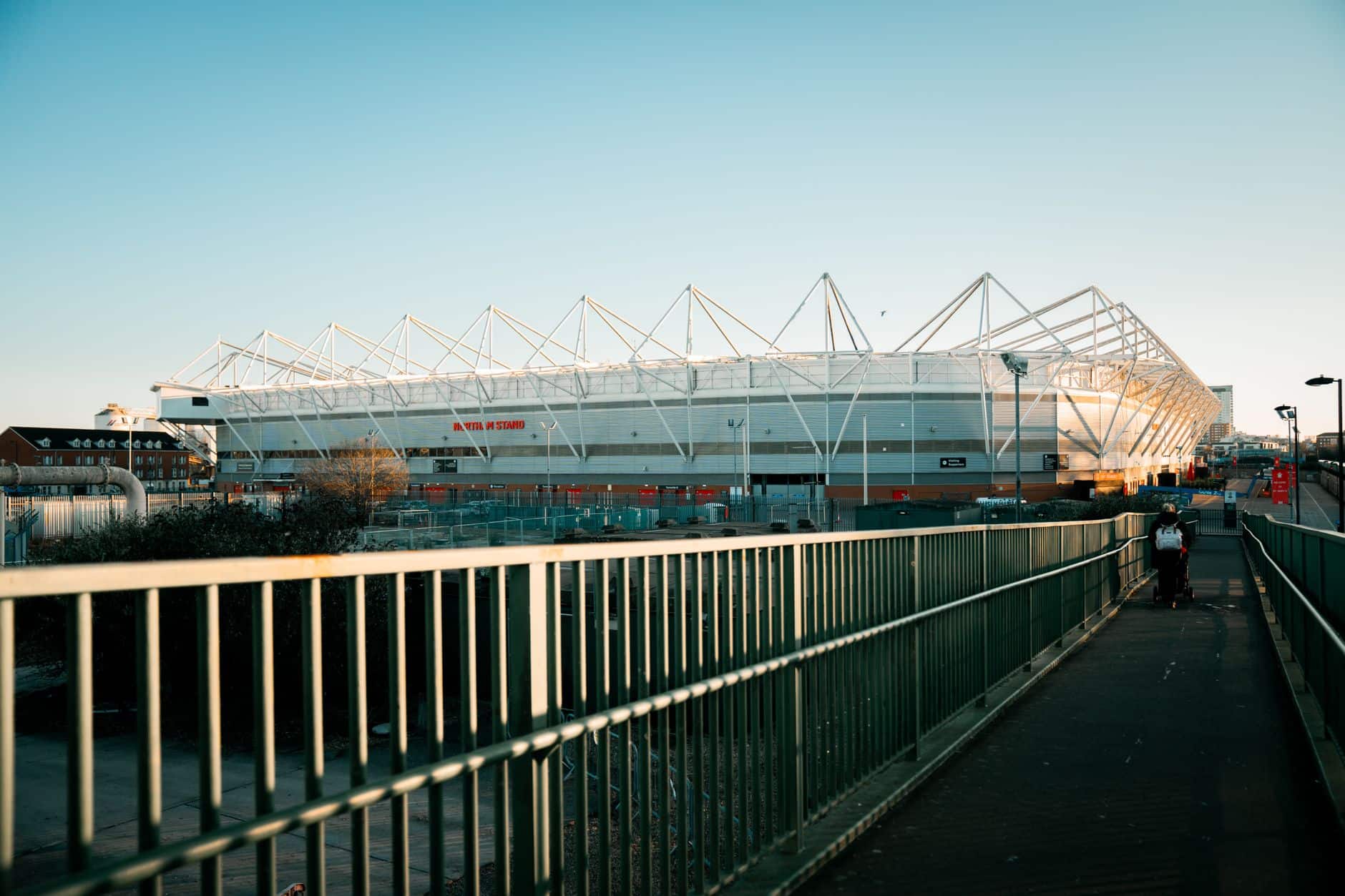
Southampton FC’s Two‑for‑One Solar Deal
Southampton FC and Utilita Home are offering fans a buy‑one‑get‑one‑free solar kit that can slash a typical UK household’s electricity bill by up to £1,275 a year.
Solar Panel Prices Drop, Home Systems Cheaper
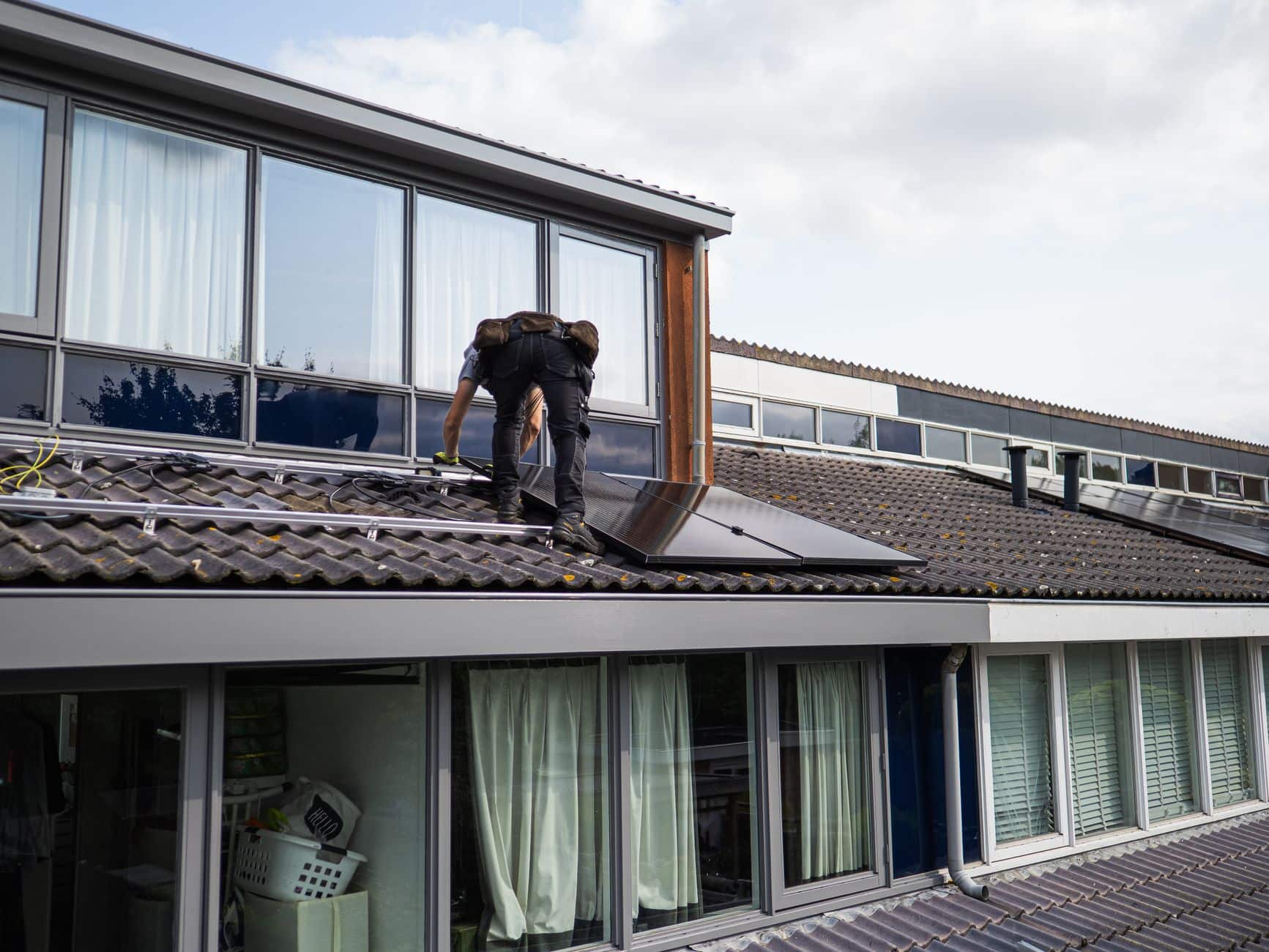
Solar panel prices are around ₪3,150/kWp, letting a typical 10 kWp home system pay for itself in under four years.
Split‑System HPWH Cuts Bills 70%
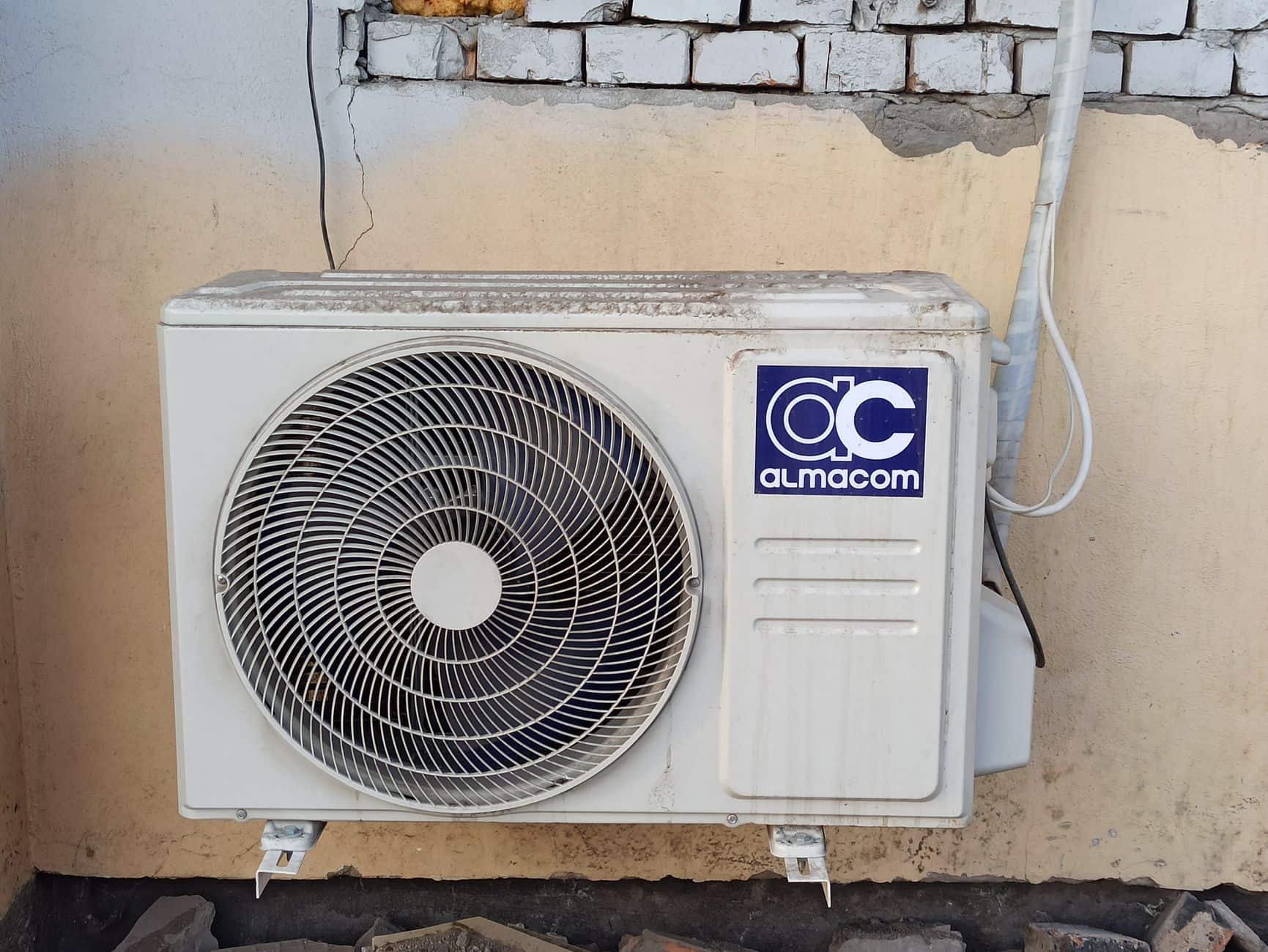
A. O. Smith’s Voltex X split‑system heat‑pump water heater can cut residential water‑heating bills by up to 76 % and works down to –31.7 °C, thanks to its outdoor CO₂‑based compressor and smart Wi‑Fi controls.

Home Solar Boom Cuts Israeli Bills 60%
Rooftop solar can cut an Israeli household’s electricity bill by about 60‑70%, with a typical 10 kWp system paying for itself in under four years.
Pick the Best 2026 Israeli Solar Tariff
In 2026 Israel’s residential feed‑in tariff of ₪0.48/kWh gives a 10 kW home system a payback under four years, making it the fastest‑return option for most rooftop owners.
Family Champion Drives Solar Adoption
A motivated family member – the “solar champion” – is the strongest predictor of rooftop solar adoption, and even heated family debates can boost sales when installers give the right support.